Introduction
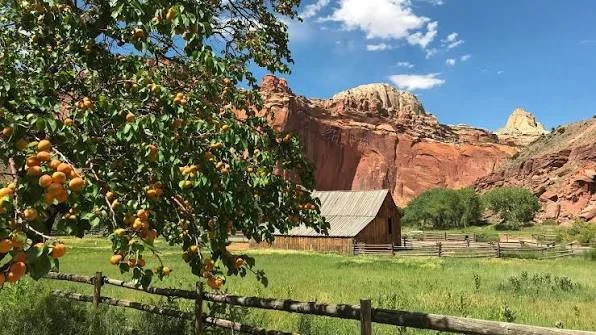
Within the rugged landscape of Capitol Reef lies an unexpected sight: rows of fruit trees growing beneath towering red cliffs.
This is Fruita, a historic Mormon settlement established in the late nineteenth century in the fertile Fremont River valley.
The orchards are among the most distinctive cultural landscapes preserved within Capitol Reef National Park.
They demonstrate how settlers transformed an arid environment through irrigation and agriculture.
At the same time, Fruita's history exists within a much older Indigenous landscape.
The Fremont River
Water made Fruita possible.
The Fremont River flows through the valley, providing irrigation opportunities.
Without reliable water, intensive agriculture would have been extremely difficult.
The settlers constructed irrigation systems to redirect water toward fields and orchards.
Mormon Settlement
Mormon settlers began establishing communities in the area during the 1870s.
They cultivated crops and built homes.
Fruit production eventually became particularly important.
The community grew apples, pears, peaches, apricots, cherries, and other fruits.
Orchard Agriculture
Orchards require considerable planning.
Trees must be planted with sufficient space.
They need water.
They require pruning.
Pests must be managed.
Fruit must be harvested at the correct time.
The Fruita orchards therefore represent an intensive agricultural system.
Irrigation
Irrigation transformed the valley.
Settlers constructed channels to distribute river water.
These systems allowed agriculture to flourish despite the surrounding desert.
The technology was labor-intensive.
Ditches required maintenance.
Debris had to be removed.
Water needed to be distributed among fields.
Community Life
Fruita was more than orchards.
The settlement contained:
homes
barns
school facilities
irrigation infrastructure
gardens
orchards
livestock areas
The community functioned as a small agricultural settlement.
The Fruita Schoolhouse
The historic schoolhouse is one of the best-known surviving structures.
It demonstrates the importance of education in the settlement.
Schools also functioned as community gathering places.
Indigenous History
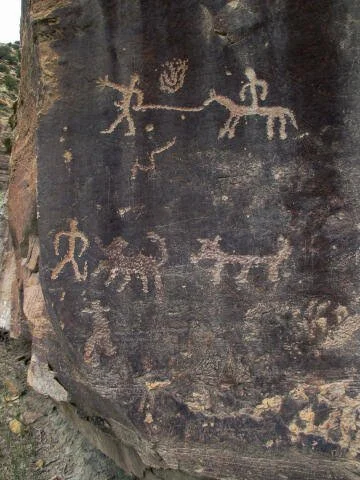
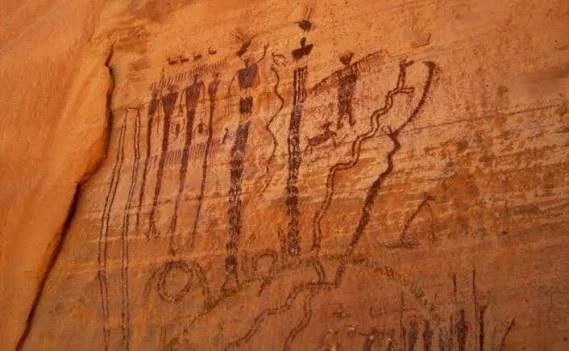
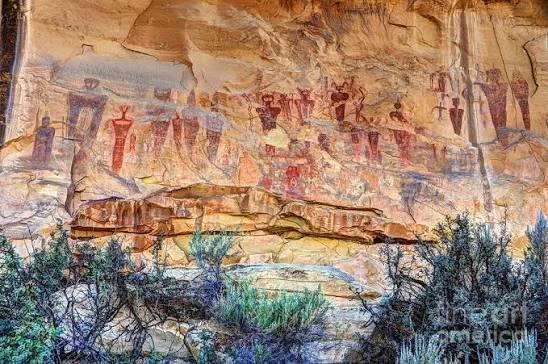
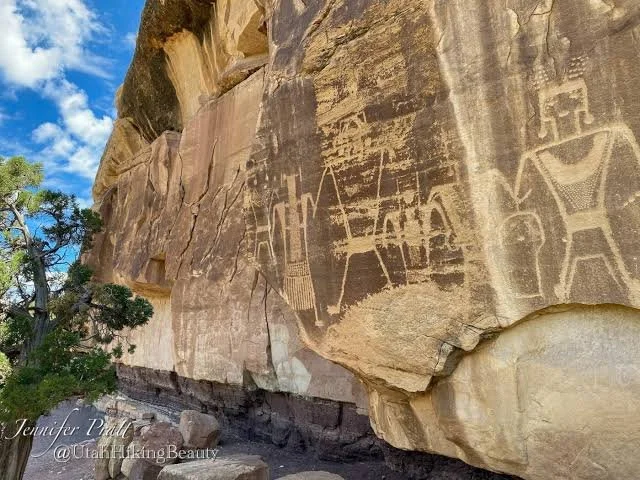
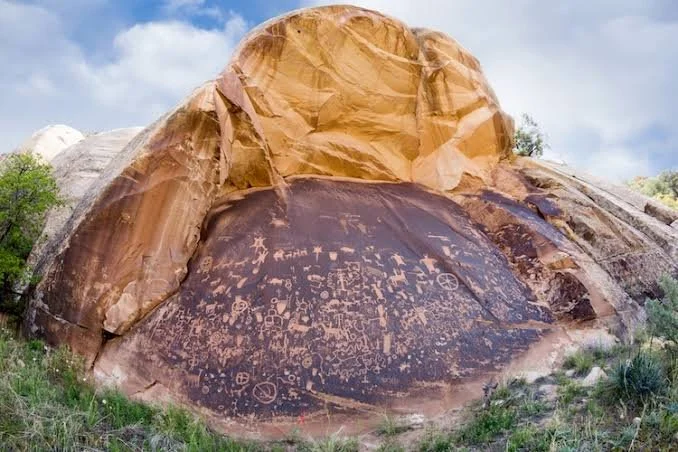
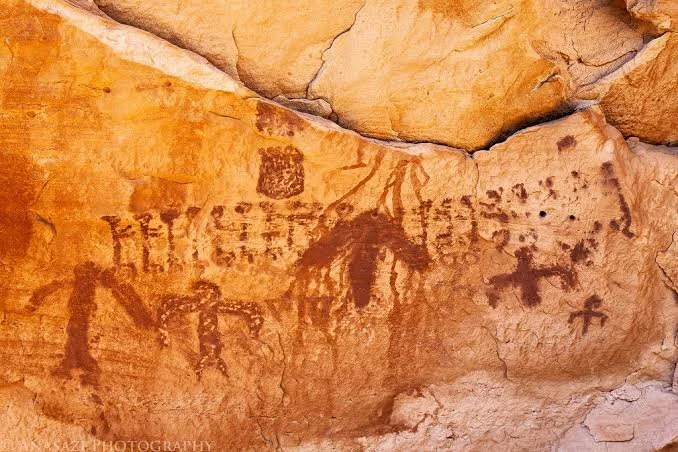
The Fruita valley had been used by Indigenous peoples long before Mormon settlement.
Archaeological evidence from the broader Capitol Reef region includes Fremont-period occupation.
Later Southern Paiute communities also maintained relationships with the region.
This makes Fruita part of a much older cultural landscape.
Agriculture Before Fruita
The Indigenous agricultural tradition provides an important comparison.
Ancient farmers in the region cultivated maize and other crops using local environmental knowledge.
Mormon settlers introduced different agricultural technologies and social institutions.
The landscape therefore contains multiple agricultural traditions.
Fruit as an Economic Resource
Fruit provided more than food.
Surplus produce could be sold or traded.
Dried fruit could be preserved.
Orchards also provided shade and transformed the visual landscape.
National Park Preservation
When Capitol Reef became a national park, the Fruita orchards were preserved rather than removed.
The National Park Service continues maintaining many of the historic fruit trees.
During appropriate seasons, visitors can participate in fruit harvesting under park regulations.
Historic Landscape Preservation
Preserving Fruita requires more than maintaining buildings.
The orchards themselves are historic resources.
So are irrigation ditches.
So are roads.
So are fences.
So are field patterns.
This is an example of cultural landscape preservation.
Challenges
Orchard trees have finite lifespans.
Disease, pests, drought, and climate change can affect them.
Historic varieties may be difficult to replace.
Preservationists therefore need propagation and orchard-management strategies.
Conclusion
Fruita demonstrates how settlers transformed a desert environment through water management and agricultural knowledge.
The orchards represent the physical legacy of Mormon settlement.
But the story extends deeper.
The valley had Indigenous histories long before the nineteenth century.
Water had always shaped human use of the region.
Today, Fruita preserves an unusual combination of natural scenery and cultural landscape.
The orchards beneath Capitol Reef's cliffs are therefore not merely picturesque.
They are living historical evidence.