• MAIN PAGE
  • LATEST NEWS
    • Lost Cities
    • Archaeology's Greatest Finds
    • Underwater Discoveries
    • Greatest Inventions
    • Studies
    • Blog
  • PHILOSOPHY
  • HISTORY
  • RELIGIONS
    • Africa
    • Anatolia
    • Arabian Peninsula
    • Balkan Region
    • China - East Asia
    • Europe
    • Eurasian Steppe
    • Levant
    • Mesopotamia
    • Oceania - SE Asia
    • Pre-Columbian Civilizations of America
    • Iranian Plateau - Central Asia
    • Indus Valley - South Asia
    • Japan
    • The Archaeologist Editor Group
    • Scientific Studies
    • Aegean Prehistory
    • Historical Period
    • Byzantine Middle Ages
    • Predynastic Period
    • Dynastic Period
    • Greco-Roman Egypt
  • Rome
  • PALEONTOLOGY
  • About us
Menu

The Archaeologist

  • MAIN PAGE
  • LATEST NEWS
  • DISCOVERIES
    • Lost Cities
    • Archaeology's Greatest Finds
    • Underwater Discoveries
    • Greatest Inventions
    • Studies
    • Blog
  • PHILOSOPHY
  • HISTORY
  • RELIGIONS
  • World Civilizations
    • Africa
    • Anatolia
    • Arabian Peninsula
    • Balkan Region
    • China - East Asia
    • Europe
    • Eurasian Steppe
    • Levant
    • Mesopotamia
    • Oceania - SE Asia
    • Pre-Columbian Civilizations of America
    • Iranian Plateau - Central Asia
    • Indus Valley - South Asia
    • Japan
    • The Archaeologist Editor Group
    • Scientific Studies
  • GREECE
    • Aegean Prehistory
    • Historical Period
    • Byzantine Middle Ages
  • Egypt
    • Predynastic Period
    • Dynastic Period
    • Greco-Roman Egypt
  • Rome
  • PALEONTOLOGY
  • About us

Elevated view of Stonehenge from the south-east.

Full summary published of 18 years of Stonehenge digs

December 3, 2025

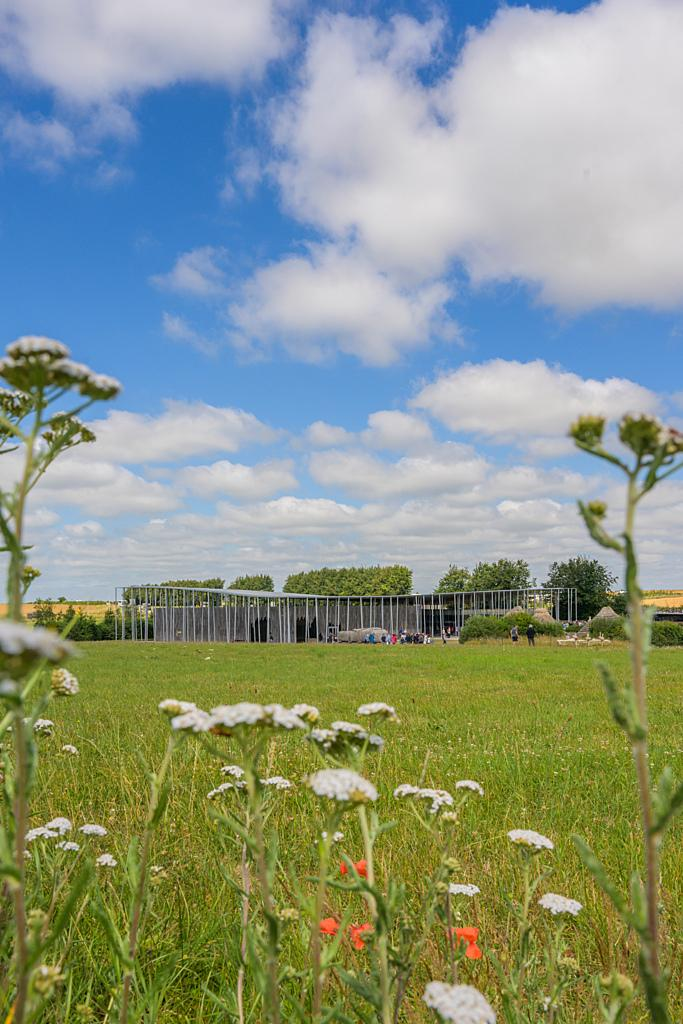
Stonehenge Visitor Centre seen from a distance.
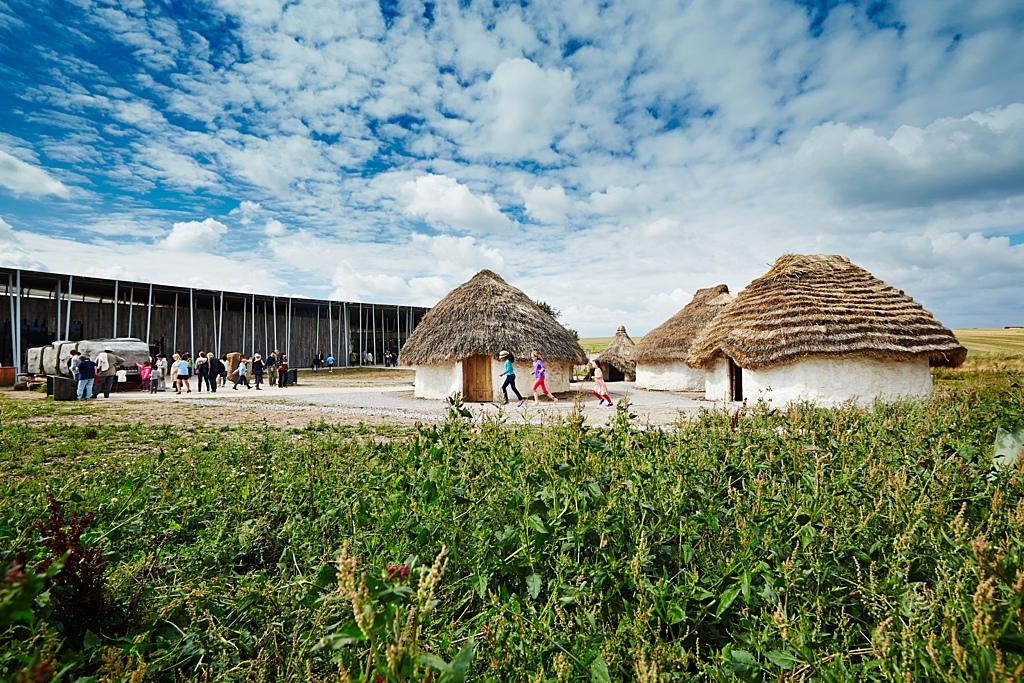
Reconstructed Neolithic dwellings at Stonehenge Visitor Centre.

Wessex Archaeology has released the full results of nearly 20 years of excavations conducted as part of the effort to find a suitable location for the Stonehenge visitor centre.

The fieldwork — carried out between 1990 and 2008 on behalf of English Heritage, Historic England, and the National Trust — aimed to identify a placement for the new facility that would not disturb archaeologically sensitive areas.

As archaeologists surveyed the wider Stonehenge landscape, they eliminated several proposed sites and recorded numerous features that offered fresh insight into millennia of human activity around the monument.

Among the newly published findings are Neolithic pits and the remains of a previously unidentified medieval structure. Although these discoveries were made years earlier, they have now been fully analysed, written up, and made publicly available for the first time.

The complete report, The Archaeology of the Stonehenge Visitor Centre, is accessible for free through Wessex Archaeology’s Open Library.

The organisation has also released project photographs, provided by English Heritage, and can supply captions and credits upon request. A statement from co-author Matt Leivers is available as well.

The book can be viewed through the Open Library here: https://wessexarchaeologylibrary.org/plugins/books/96/

← Humanity’s history of eating ‘processed’ food goes back much farther than you would thinkld thinkTunnel discovered under dilapidated Zamindar house in Rajshahi →
Featured
image_2025-12-03_213151681.png
Dec 3, 2025
Archaeologists Digging Beneath Britain’s Houses of Parliament Discover 6,000-Year-Old Flint Artifacts and a 2,000-Year-Old Roman Altar Fragment
Dec 3, 2025
Read More →
Dec 3, 2025
Dec 3, 2025
3,500-Year-Old Burial Discovered in Sudan
Dec 3, 2025
Read More →
Dec 3, 2025
image_2025-12-03_212429775.png
Dec 3, 2025
A New Study Revealed the Secret Origin of One of America’s Most Mysterious Monuments
Dec 3, 2025
Read More →
Dec 3, 2025
image_2025-12-03_212018581.png
Dec 3, 2025
LiDAR survey leads to unexpected castle discovery
Dec 3, 2025
Read More →
Dec 3, 2025
image_2025-12-03_211457043.png
Dec 3, 2025
DNA Analysis Reveals Two Routes Ancient Humans Used to Reach Australia
Dec 3, 2025
Read More →
Dec 3, 2025
image_2025-12-03_210458305.png
Dec 3, 2025
Humanity’s history of eating ‘processed’ food goes back much farther than you would thinkld think
Dec 3, 2025
Read More →
Dec 3, 2025
read more

Powered by The archaeologist