Introduction
The Great Salt Lake marshes preserve one of Utah's most remarkable archaeological environments. Wetlands around the lake supported Indigenous communities through fishing, hunting, gathering, and access to diverse plant and animal resources.
The Fremont archaeological tradition is particularly important to understanding central Utah's prehistoric inhabitants.
The term "Fremont" is a modern archaeological designation rather than the name of a historically documented Indigenous nation. Archaeologists use it to describe a distinctive archaeological complex found across much of Utah and surrounding regions.
The Natural History Museum of Utah describes Fremont lifeways as spanning approximately CE 300–1300 and involving agriculture combined with substantial hunting and gathering.
The Great Salt Lake Wetlands
Wetlands around the Great Salt Lake are extraordinarily productive environments.
Marshes provide habitat for birds, fish, insects, plants, and other organisms.
For Indigenous communities, these environments offered concentrated sources of food.
Compared with the surrounding desert, wetlands provided unusual ecological abundance.
The Fremont
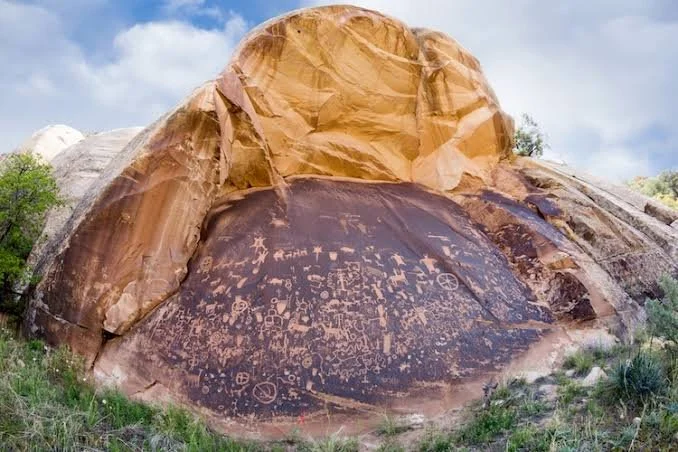
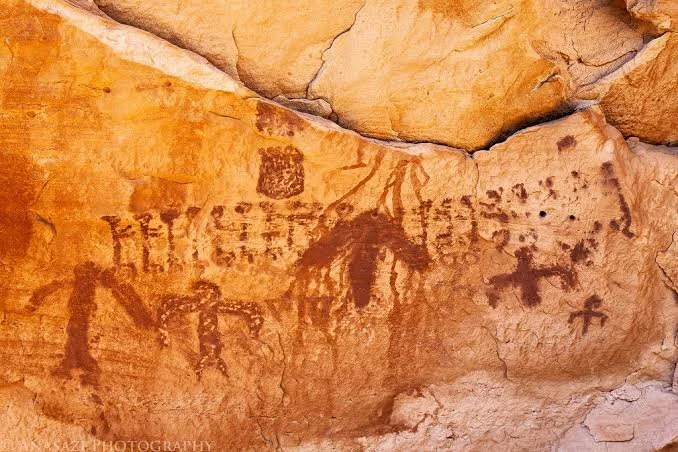
Fremont communities occupied a large region of what is now Utah.
Their archaeological remains include:
pottery;
stone tools;
basketry;
moccasins;
pithouses;
storage facilities;
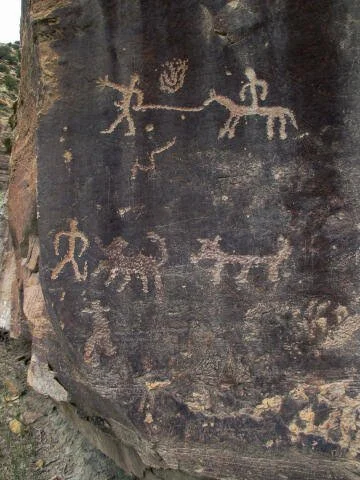
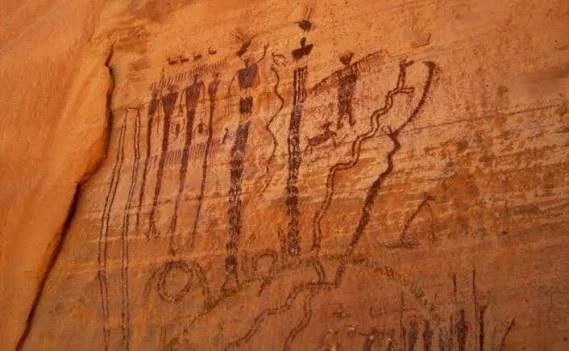
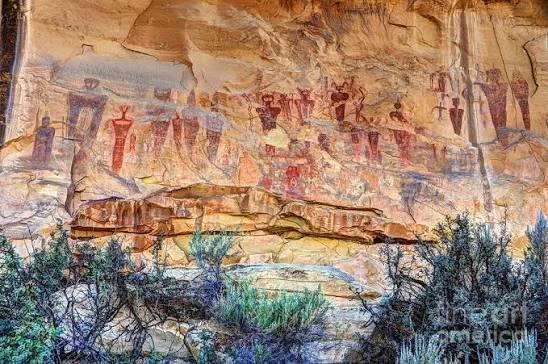
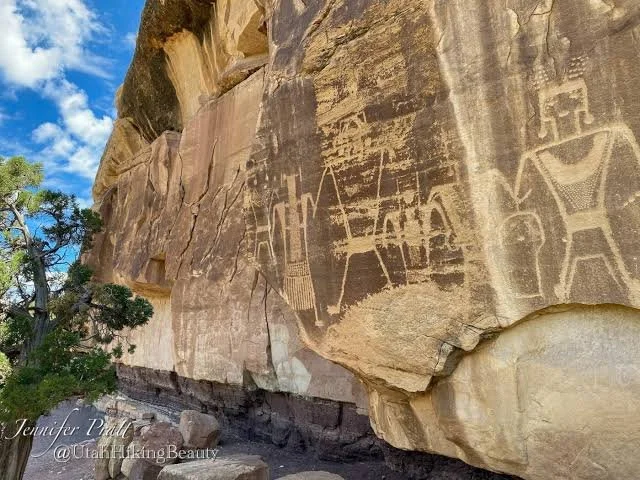
rock art;
hunting equipment.
The Fremont combined agriculture with hunting and gathering rather than relying exclusively on farming.
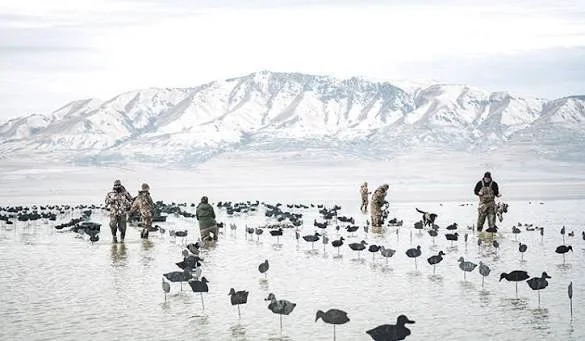
Waterfowl
Birds were an important component of Great Basin wetland ecosystems.
Waterfowl provided meat, feathers, bones, and other useful materials.
Hunting birds in marsh environments required knowledge of animal behavior and seasonal migration.
The Question of "Duck Decoys"
The phrase "duck decoys" requires particular caution.
Archaeological materials from Great Basin wetlands can include bird-related artifacts, but interpreting every bird-shaped object as a hunting decoy would be inappropriate without secure archaeological context.
A true decoy implies an intentionally constructed object used to attract or manipulate the behavior of waterfowl.
Archaeologists therefore need evidence of form, manufacture, use-wear, context, and comparison with securely identified examples before assigning such a function.
Organic Preservation
Wetlands can preserve materials that normally decay.
Wood, fiber, feathers, and other organic substances may survive under waterlogged or otherwise favorable conditions.
This makes wetland archaeology especially valuable.
An artifact made from organic material might disappear almost completely in a dry desert environment but survive for centuries in protected sediments.
Hunting Technology
Fremont hunting technology included sophisticated tools adapted to local environments.
Bows and arrows became increasingly important in many Fremont contexts.
Netting, traps, and other technologies could also have been used.
The exact technologies employed for waterfowl hunting varied according to local ecology and cultural practice.
Fremont Agriculture
The Fremont did not depend exclusively on wetlands.
Many communities cultivated corn, beans, and squash.
Agriculture was combined with wild food collection and hunting.
This flexible subsistence strategy allowed communities to exploit multiple ecological zones.
Archaeological Context
One of the most important principles in archaeology is context.
An isolated artifact can tell us relatively little.
An artifact found alongside tools, food remains, structures, sediments, and other objects provides much more information.
Therefore, claims about "Fremont duck decoys" should be tied to documented archaeological contexts rather than generalized assumptions about bird-shaped artifacts.
Great Salt Lake and Changing Environments
The lake's water levels have fluctuated dramatically over geological and historical time.
These changes have affected marshes, islands, shorelines, and archaeological sites.
Some archaeological sites that were once near water may now be far from the modern shoreline.
Others can be threatened by erosion or exposure.
Preservation Challenges
Great Salt Lake archaeology faces several threats.
Changing water levels can expose sites to erosion.
Development can disturb archaeological deposits.
Collecting artifacts removes them from their context.
Organic artifacts are especially vulnerable when environmental conditions change.
Climate variability can therefore affect archaeological preservation.
Indigenous Heritage
The people represented by Fremont archaeology should not be treated as a mysterious vanished population.
The archaeological tradition represents Indigenous communities whose descendants and cultural histories belong to the broader Indigenous history of the Great Basin and Colorado Plateau.
Archaeology provides evidence of past lifeways, but it does not replace Indigenous oral histories and living cultural identities.
Conclusion
The Great Salt Lake marshes represent an extraordinary archaeological environment where water, wildlife, agriculture, hunting, and human settlement intersected.
The Fremont archaeological tradition demonstrates that Indigenous communities developed flexible economies combining farming with hunting and gathering.
While claims about specific "duck decoys" must be supported by archaeological evidence rather than assumption, the broader importance of waterfowl and wetland resources is clear.
The marshes therefore preserve evidence of sophisticated relationships between people and one of Utah's most unusual ecosystems—a relationship extending across thousands of years and continuing to shape the cultural and environmental history of the Great Salt Lake.