Introduction
Promontory Point is closely associated with the extraordinary landscape of the Great Salt Lake and the wider Promontory Peninsula. The title's reference to a "land art installation" requires an important distinction: the famous Utah earthwork Spiral Jetty is located at Rozel Point, on the northeastern shore of the Great Salt Lake, rather than at Promontory Point itself. The Utah Museum of Fine Arts identifies Rozel Point as the location of Robert Smithson's 1970 earthwork.
Promontory Point nevertheless belongs to the broader landscape through which Utah's land-art history is often understood.
The Great Salt Lake as Artistic Landscape
The Great Salt Lake has unusual geological and visual characteristics.
Salt crusts, shallow water, exposed lakebed, black volcanic rocks, distant mountains, and changing water levels create a landscape that can appear dramatically different from season to season.
These qualities attracted artists interested in landscape, scale, geological processes, and environmental change.
Robert Smithson and Land Art
In 1970, artist Robert Smithson created Spiral Jetty using basalt rocks and earth at Rozel Point.
The earthwork extends approximately 1,500 feet into the lake and forms a large counterclockwise spiral.
The work became one of the defining examples of American Land art.
Why the Site Mattered
Smithson's choice of location was connected to the landscape itself.
The north arm of the Great Salt Lake could display striking contrasts between pinkish water, white salt, and dark basalt.
The work was designed not simply to sit in the landscape but to interact with it.
Water levels could cover the structure.
Salt could accumulate on its rocks.
Drought could expose more of the earthwork.
Art and Geological Time
Land art often challenges conventional ideas about permanence.
A painting remains within a controlled frame.
A sculpture can be maintained.
An earthwork can change through erosion, weather, water, and geological processes.
Spiral Jetty is particularly suited to this concept.
Its visibility depends partly on lake levels.
The lake becomes part of the artwork.
The Great Salt Lake Environment
The lake is itself a dynamic environmental system.
Its water levels fluctuate.
Salinity changes.
Wetlands expand and contract.
Bird populations depend on ecological conditions.
An earthwork placed within this environment inevitably becomes connected to ecological processes.
Promontory Peninsula
The Promontory Peninsula contains layers of natural and human history.
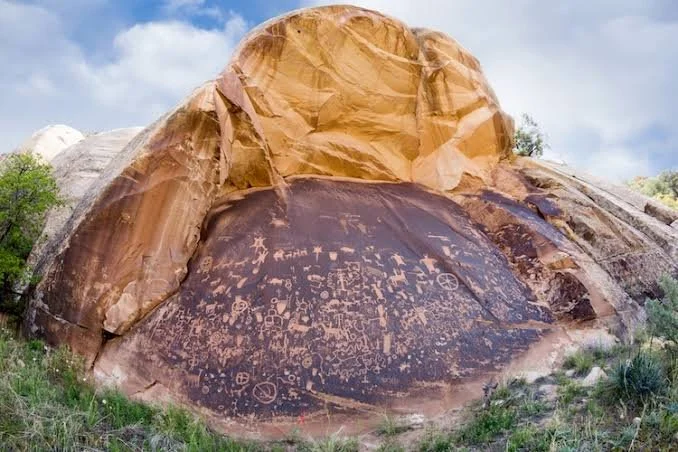
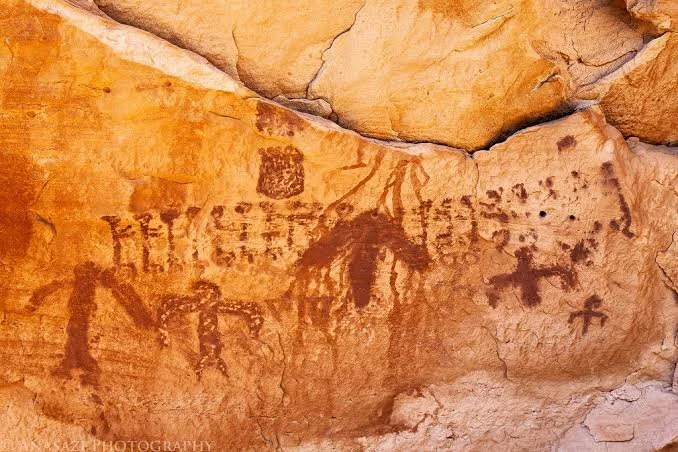
Indigenous peoples used the region long before Euro-American settlement.
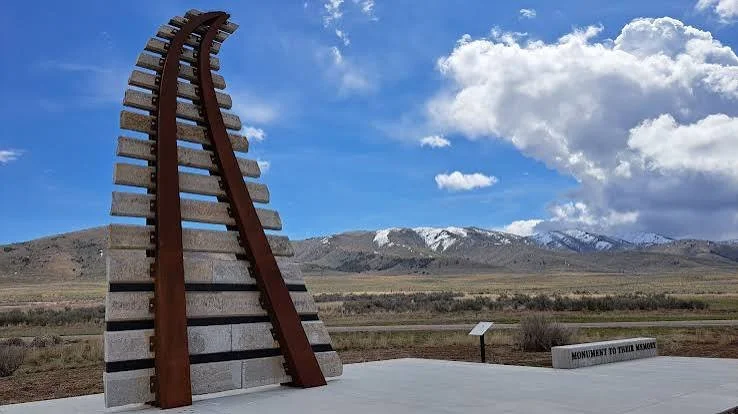
Railroads transformed the peninsula in the nineteenth century.
Military and industrial activities later altered portions of the landscape.
Modern land art exists within this much older historical setting.
The Importance of Correct Location
Confusing Promontory Point with Rozel Point is understandable because both are associated with the Great Salt Lake and the Promontory Peninsula.
However, historical accuracy matters.
Spiral Jetty was constructed at Rozel Point.
The Utah Geological Survey identifies the earthwork as being at Rozel Point in the north arm of the lake.
Land Art and Preservation
Preserving land art is different from preserving a conventional building.
Should an earthwork be restored when erosion changes it?
Should salt deposits be removed?
Should natural deterioration be allowed?
What happens when climate and water-level changes alter visibility?
These questions have no simple answers.
Contemporary Significance
Spiral Jetty became an important symbol of environmental art and Utah's cultural landscape.
The work is also an example of how art can transform perceptions of remote landscapes.
A location once viewed primarily through geology, transportation, and industry became an international destination for contemporary art.
Conclusion
Promontory Point belongs to the broader landscape of Utah's extraordinary relationship between environment and land art, but the most famous earthwork associated with the region—Robert Smithson's Spiral Jetty—is specifically located at Rozel Point.
That distinction makes the broader story even more interesting.
The Promontory landscape demonstrates how Indigenous history, railroad history, geology, ecology, and contemporary art can occupy the same physical region while representing dramatically different periods of human interaction with the Great Salt Lake.