• MAIN PAGE
  • LATEST NEWS
    • Lost Cities
    • Archaeology's Greatest Finds
    • Underwater Discoveries
    • Greatest Inventions
    • Studies
    • Blog
  • PHILOSOPHY
  • HISTORY
  • RELIGIONS
    • Africa
    • Anatolia
    • Arabian Peninsula
    • Balkan Region
    • China - East Asia
    • Europe
    • Eurasian Steppe
    • Levant
    • Mesopotamia
    • Oceania - SE Asia
    • Pre-Columbian Civilizations of America
    • Iranian Plateau - Central Asia
    • Indus Valley - South Asia
    • Japan
    • The Archaeologist Editor Group
    • Scientific Studies
    • Aegean Prehistory
    • Historical Period
    • Byzantine Middle Ages
    • Predynastic Period
    • Dynastic Period
    • Greco-Roman Egypt
  • Rome
  • PALEONTOLOGY
  • About us
Menu

The Archaeologist

  • MAIN PAGE
  • LATEST NEWS
  • DISCOVERIES
    • Lost Cities
    • Archaeology's Greatest Finds
    • Underwater Discoveries
    • Greatest Inventions
    • Studies
    • Blog
  • PHILOSOPHY
  • HISTORY
  • RELIGIONS
  • World Civilizations
    • Africa
    • Anatolia
    • Arabian Peninsula
    • Balkan Region
    • China - East Asia
    • Europe
    • Eurasian Steppe
    • Levant
    • Mesopotamia
    • Oceania - SE Asia
    • Pre-Columbian Civilizations of America
    • Iranian Plateau - Central Asia
    • Indus Valley - South Asia
    • Japan
    • The Archaeologist Editor Group
    • Scientific Studies
  • GREECE
    • Aegean Prehistory
    • Historical Period
    • Byzantine Middle Ages
  • Egypt
    • Predynastic Period
    • Dynastic Period
    • Greco-Roman Egypt
  • Rome
  • PALEONTOLOGY
  • About us
No results found

Greece’s Forgotten Pyramids: Ancient Marvels or Modern Misreadings?

March 2, 2026

The Enigmatic Pyramids of Greece

Scattered across the Greek landscape are a handful of rare pyramidal structures, offering a striking contrast to the monumental pyramids of Egypt. Smaller and architecturally distinct, these Greek pyramids continue to puzzle scholars, with debates surrounding their origins, purpose, and age.

The Pyramid of Elliniko: History and Setting

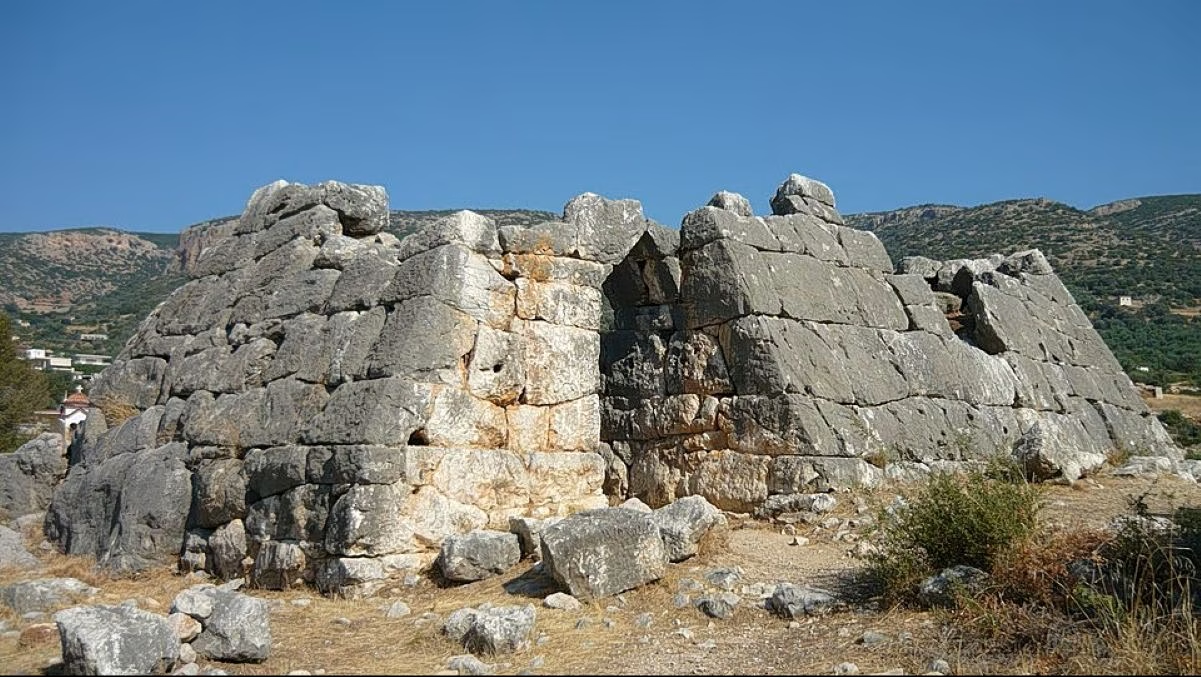
One of the most intriguing examples is the Pyramid of Elliniko, located near the village of Elliniko in Argolis, along the ancient road connecting Argos to Tegea in Arcadia. The area is rich in history, with nearby features such as Historic Caves, once used as shelters during the Greek War of Independence in 1821, and the church of Zoodochos Pigi in Kefalari, nourished by seasonal springs.

The Pyramid of Elliniko may have even been noted by the 2nd-century traveler and geographer Pausanias, adding to its historical mystique.

Controversial Dating and Archaeological Debate

In 1991, Professor Ioannis Liritzis applied a novel dating method to the pyramid, suggesting its construction occurred in the mid-to-late 3rd millennium BC—potentially older than Egypt’s famous pyramids. This challenged previous estimates from a 1938 American expedition, which had dated it to the 4th or 3rd century BC.

The findings sparked debate among scholars. Classicist Mary Lefkowitz argued that some stones may have been reused from earlier structures, and earlier excavations, later reaffirmed by archaeologist Helena Fracchia, had been overlooked. Liritzis defended his methodology, noting it had been misunderstood in scientific discourse.

Archaeologist Adamantios Sampson suggests the pyramid may rest on Early Helladic foundations but was likely constructed later, during the Classical or Late Classical period, based on the style of its masonry.

Function and Interpretation

The purpose of Greece’s pyramids remains unclear. Scholars have proposed various interpretations, including:

  • Watchtowers

  • Shrines or sacred monuments

  • Tombs

  • Astronomical observatories

Despite the uncertainty, one fact remains certain: Greece’s pyramids are enduring enigmas, bridging history, archaeology, and speculation. These smaller, mysterious monuments continue to challenge our understanding of ancient Greek architecture and cultural practices.
← 'Remarkable man' Chris Guy from Worcester Cathedral has diedLaodikeia’s Roman Asopos Bridge Carries Water Again After 1,300 Years →
Featured
Whaling-scenes-a-English-whalers-in-the-North-Atlantic-19th-century-Cheever-1853.webp
October 18, 2026
Medieval Arctic Whaling Stations: Norse and Indigenous Interactions
October 18, 2026
Read more →
October 18, 2026
images+(71).webp
October 18, 2026
Carbonate Crusts as Dating Tools on Coastal Archaeological Wood
October 18, 2026
Read more →
October 18, 2026
images - 2026-10-17T223455.684.jpeg
October 18, 2026
The Collapse of Prehistoric Irrigation in Central Asia: New Models
October 18, 2026
Read more →
October 18, 2026
acoustics-05-00018-g004 (1).png
October 18, 2026
Rock-Shelter Soundscapes: Acoustics and Ritual Performance in Prehistory
October 18, 2026
Read more →
October 18, 2026
images - 2026-10-17T223602.054.jpeg
October 18, 2026
The Archaeology of Ancient Beekeeping: Hives, Honey and Trade
October 18, 2026
Read more →
October 18, 2026
October 18, 2026
Forgotten Ironworks: Sub-Saharan Bloomery Sites off the Mainstream Map
October 18, 2026
Read more →
October 18, 2026
read more

Powered by The archaeologist