• MAIN PAGE
  • LATEST NEWS
    • Lost Cities
    • Archaeology's Greatest Finds
    • Underwater Discoveries
    • Greatest Inventions
    • Studies
    • Blog
  • PHILOSOPHY
  • HISTORY
  • RELIGIONS
    • Africa
    • Anatolia
    • Arabian Peninsula
    • Balkan Region
    • China - East Asia
    • Europe
    • Eurasian Steppe
    • Levant
    • Mesopotamia
    • Oceania - SE Asia
    • Pre-Columbian Civilizations of America
    • Iranian Plateau - Central Asia
    • Indus Valley - South Asia
    • Japan
    • The Archaeologist Editor Group
    • Scientific Studies
    • Aegean Prehistory
    • Historical Period
    • Byzantine Middle Ages
    • Predynastic Period
    • Dynastic Period
    • Greco-Roman Egypt
  • Rome
  • PALEONTOLOGY
  • About us
Menu

The Archaeologist

  • MAIN PAGE
  • LATEST NEWS
  • DISCOVERIES
    • Lost Cities
    • Archaeology's Greatest Finds
    • Underwater Discoveries
    • Greatest Inventions
    • Studies
    • Blog
  • PHILOSOPHY
  • HISTORY
  • RELIGIONS
  • World Civilizations
    • Africa
    • Anatolia
    • Arabian Peninsula
    • Balkan Region
    • China - East Asia
    • Europe
    • Eurasian Steppe
    • Levant
    • Mesopotamia
    • Oceania - SE Asia
    • Pre-Columbian Civilizations of America
    • Iranian Plateau - Central Asia
    • Indus Valley - South Asia
    • Japan
    • The Archaeologist Editor Group
    • Scientific Studies
  • GREECE
    • Aegean Prehistory
    • Historical Period
    • Byzantine Middle Ages
  • Egypt
    • Predynastic Period
    • Dynastic Period
    • Greco-Roman Egypt
  • Rome
  • PALEONTOLOGY
  • About us

Laodikeia’s Roman Asopos Bridge Carries Water Again After 1,300 Years

March 2, 2026

Water Flows Again Beneath Laodikeia’s Ancient Bridge

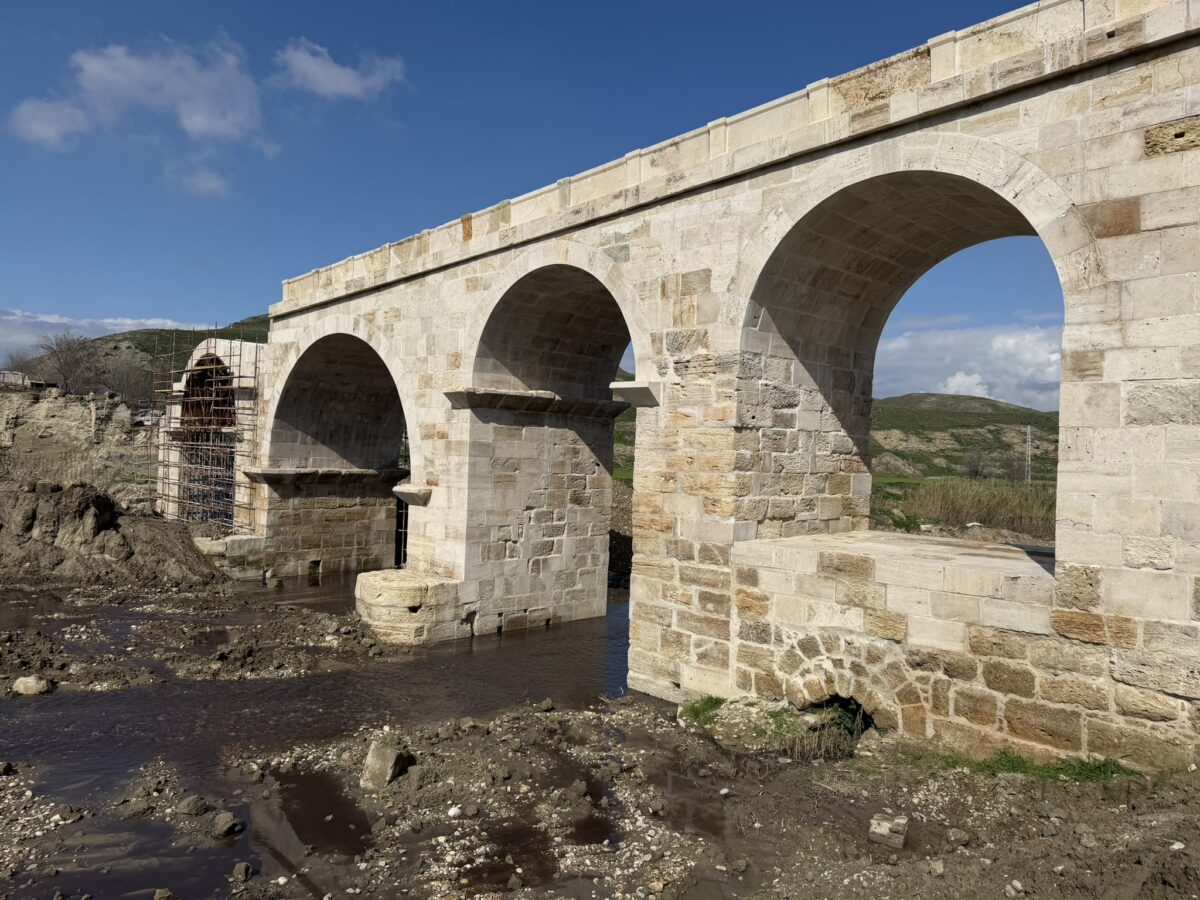
After more than a thousand years, water has once again coursed beneath the arches of the Laodikeia Asopos Bridge, a landmark achievement in the ongoing restoration of one of Anatolia’s most remarkable Roman structures. The announcement came from excavation director Prof. Dr. Celal Şimşek, highlighting both a symbolic and technical milestone in the project.

A Roman Engineering Marvel

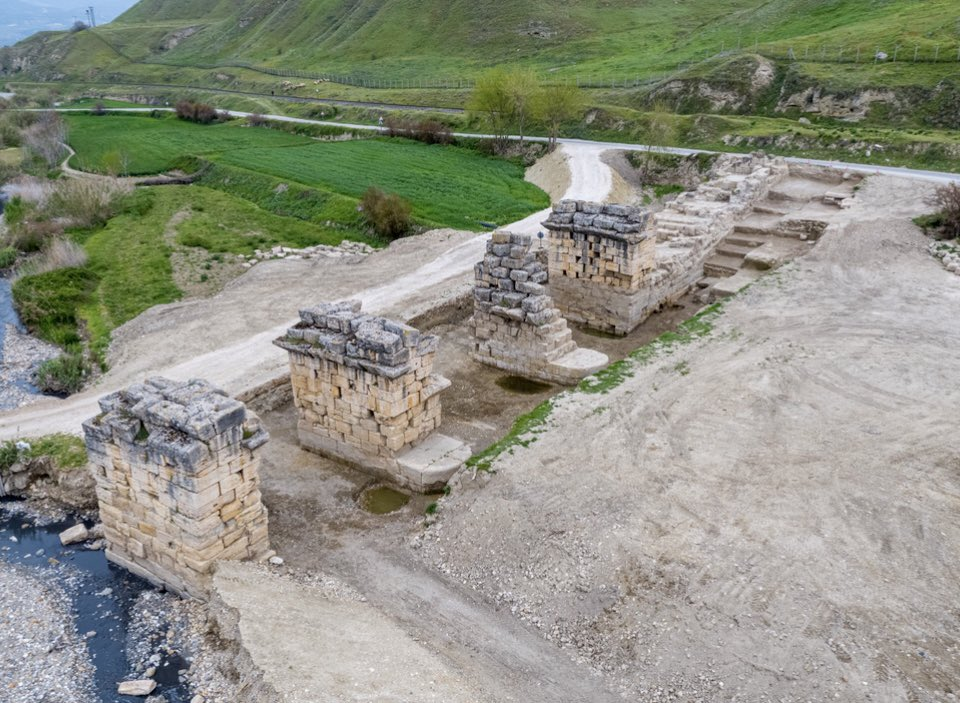
Built in the 1st century AD, the bridge spans 171 meters in length and measures roughly 7 meters wide, featuring five elegantly designed arches. In antiquity, it served as a vital crossing over the Asopos River, connecting the bustling city of Laodikeia with its agricultural lands and regional trade networks.

Restoration Reaches Historic Moment

Restoration work on the bridge has now progressed to approximately two-thirds completion. In a moment steeped in history, water was released beneath the main arch for the first time in 1,300 years, symbolically restoring both function and heritage to the ancient structure.

The return of flowing water not only celebrates the technical success of the restoration but also reconnects the bridge to its original role in sustaining commerce, communication, and daily life in Roman Anatolia.
A Roman Engineering Landmark in Western Anatolia

Laodikeia, near present-day Denizli in southwestern Türkiye, was one of the most prominent cities of Roman Asia Minor. Founded in the 3rd century BC and flourishing under Roman rule, the city gained fame for its textile production, medical school, and strategic location along key trade routes.

The Asopos Bridge: Mastery of Roman Engineering

The Asopos Bridge, constructed during the early Roman Imperial period, showcases the sophisticated architectural and hydraulic knowledge of its builders. Its long span and sturdy arches reflect both precise engineering and a keen understanding of river dynamics. Roman engineers designed bridges slightly elevated above normal water levels to withstand seasonal flooding—a feature clearly evident in the Asopos Bridge.

Beyond Transportation: A Symbol of Power and Connectivity

Roman bridges were more than functional structures; they embodied imperial authority, economic vitality, and urban connectivity. The Laodikeia Asopos Bridge likely facilitated the movement of goods, livestock, and military forces, linking the city seamlessly into the wider Roman road network across Anatolia.

By combining technical innovation with practical utility, the bridge stands as a testament to the enduring legacy of Roman engineering and the city’s prominence in ancient trade and administration.
← Greece’s Forgotten Pyramids: Ancient Marvels or Modern Misreadings?Ancient Stone Slabs with Hunting Scenes Discovered in Burial Mounds of Khakassia →
Featured
image_2026-03-02_231717013.png
Mar 2, 2026
Painted coffins of the “Amun Singers” discovered in Luxor
Mar 2, 2026
Read More →
Mar 2, 2026
image_2026-03-02_224904609.png
Mar 2, 2026
The Great Decipherment
Mar 2, 2026
Read More →
Mar 2, 2026
image_2026-03-02_222126861.png
Mar 2, 2026
'Remarkable man' Chris Guy from Worcester Cathedral has died
Mar 2, 2026
Read More →
Mar 2, 2026
image_2026-03-02_221539955.png
Mar 2, 2026
Greece’s Forgotten Pyramids: Ancient Marvels or Modern Misreadings?
Mar 2, 2026
Read More →
Mar 2, 2026
image_2026-03-02_221403222.png
Mar 2, 2026
Laodikeia’s Roman Asopos Bridge Carries Water Again After 1,300 Years
Mar 2, 2026
Read More →
Mar 2, 2026
image_2026-03-02_221249520.png
Mar 2, 2026
Ancient Stone Slabs with Hunting Scenes Discovered in Burial Mounds of Khakassia
Mar 2, 2026
Read More →
Mar 2, 2026
read more

Powered by The archaeologist