Introduction
The forts and defensive settlements of Utah's Heber Valley reflect a period of profound tension between Indigenous communities and expanding Euro-American settlement during the nineteenth century.
The phrase "Ute War" encompasses conflicts involving Ute peoples, Mormon settlers, federal authorities, and military forces during the territorial period. These events cannot be understood simply as a sequence of military battles. They developed from competing claims over land, resources, political authority, mobility, and cultural survival.
Defensive settlements in the Heber Valley provide physical evidence of how settlers responded to perceived threats and how communities reorganized themselves during periods of conflict.
The Ute Homeland
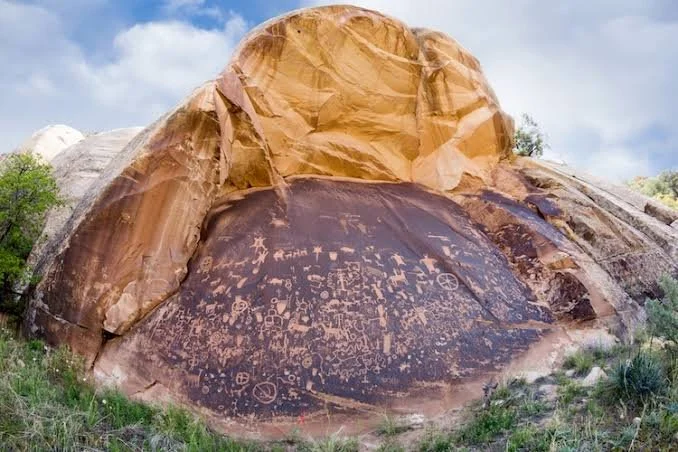
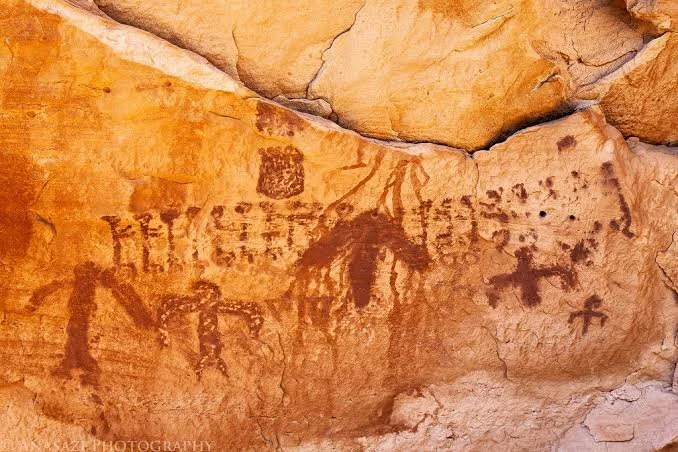
Before Mormon settlement, Ute peoples had longstanding relationships with the lands of central and northern Utah.
The Heber Valley formed part of a larger landscape used for hunting, seasonal movement, trade, and social interaction.
Indigenous land use did not depend upon permanent agricultural villages in the European-American sense.
Consequently, the arrival of settlers transformed established patterns of land access.
Mormon Settlement
Mormon settlers expanded into Utah's valleys during the second half of the nineteenth century.
They established agricultural settlements and attempted to create permanent communities.
Farming required access to water and arable land.
As settlements expanded, competition over resources intensified.
The Walker War
One important episode was the Walker War of 1853–1854, associated with tensions between Mormon settlers and Ute leader Wakara, also known as Walker.
The conflict involved violence, livestock disputes, trade disagreements, and broader tensions surrounding settlement.
Although the conflict is often remembered as a "war," it consisted of raids, killings, military mobilization, negotiations, and localized confrontations rather than one continuous conventional campaign.
Defensive Architecture
Settlers sometimes responded to insecurity by constructing forts.
A fort could consist of houses arranged around a defensible perimeter, an enclosed block, stockade elements, or purpose-built defensive walls.
The architecture reflected the community's perception of danger.
However, fortification also served practical purposes such as organizing settlement and providing communal resources.
Heber Valley
As settlement expanded into the Heber Valley, communities developed agricultural systems and transportation routes.
The valley's geography influenced settlement organization.
Mountains surrounded the agricultural basin, while rivers and streams provided water.
This geography could also shape military movement and defensive strategy.
The Black Hawk War
Another major period of conflict was the Black Hawk War of 1865–1872.
The conflict involved Ute leader Antonga Black Hawk and other Indigenous groups resisting settlement pressures.
The causes included loss of hunting territory, competition over resources, livestock disputes, disease, and expanding settler occupation.
Again, the term "war" should not be interpreted as a conventional war between two modern states.
It consisted of localized attacks, raids, defensive mobilization, and military expeditions.
Federal Military Presence
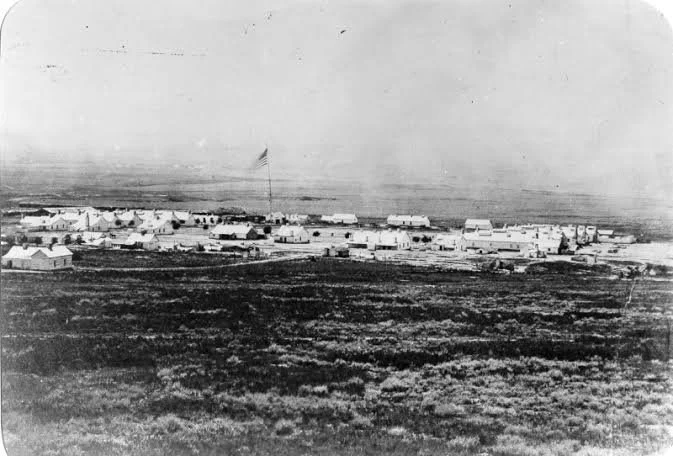
The U.S. Army eventually became increasingly involved in maintaining order and supporting federal authority.
This reflected the growing integration of Utah into the political and military structure of the United States.
The federal presence also altered relationships between local settlers and Indigenous nations.
Archaeological Evidence
Fort sites can reveal settlement patterns through foundations, defensive walls, roads, wells, storage areas, and artifact concentrations.
Archaeology can sometimes challenge written narratives.
Documents often emphasize the perspective of settlers and military officials.
Material evidence can provide additional information about Indigenous interaction, economic exchange, and daily life.
Indigenous Perspectives
Modern interpretation increasingly recognizes that Indigenous communities were not merely obstacles to settlement.
Ute peoples actively negotiated, resisted, adapted, traded, migrated, and defended their interests.
The descendants of these communities remain part of Utah's cultural landscape.
Historical interpretation must therefore incorporate Indigenous perspectives rather than treating Ute history as a closed chapter.
Conclusion
The Heber Valley forts preserve evidence of a complicated period in Utah history.
They reflect settler fears and defensive strategies, but they also exist within a much older Indigenous landscape.
Understanding these sites requires examining settlement expansion, resource competition, Ute resistance, federal intervention, and the transformation of Indigenous land use.