• MAIN PAGE
  • LATEST NEWS
    • Lost Cities
    • Archaeology's Greatest Finds
    • Underwater Discoveries
    • Greatest Inventions
    • Studies
    • Blog
  • PHILOSOPHY
  • HISTORY
  • RELIGIONS
    • Africa
    • Anatolia
    • Arabian Peninsula
    • Balkan Region
    • China - East Asia
    • Europe
    • Eurasian Steppe
    • Levant
    • Mesopotamia
    • Oceania - SE Asia
    • Pre-Columbian Civilizations of America
    • Iranian Plateau - Central Asia
    • Indus Valley - South Asia
    • Japan
    • The Archaeologist Editor Group
    • Scientific Studies
    • Aegean Prehistory
    • Historical Period
    • Byzantine Middle Ages
    • Predynastic Period
    • Dynastic Period
    • Greco-Roman Egypt
  • Rome
  • PALEONTOLOGY
  • About us
Menu

The Archaeologist

  • MAIN PAGE
  • LATEST NEWS
  • DISCOVERIES
    • Lost Cities
    • Archaeology's Greatest Finds
    • Underwater Discoveries
    • Greatest Inventions
    • Studies
    • Blog
  • PHILOSOPHY
  • HISTORY
  • RELIGIONS
  • World Civilizations
    • Africa
    • Anatolia
    • Arabian Peninsula
    • Balkan Region
    • China - East Asia
    • Europe
    • Eurasian Steppe
    • Levant
    • Mesopotamia
    • Oceania - SE Asia
    • Pre-Columbian Civilizations of America
    • Iranian Plateau - Central Asia
    • Indus Valley - South Asia
    • Japan
    • The Archaeologist Editor Group
    • Scientific Studies
  • GREECE
    • Aegean Prehistory
    • Historical Period
    • Byzantine Middle Ages
  • Egypt
    • Predynastic Period
    • Dynastic Period
    • Greco-Roman Egypt
  • Rome
  • PALEONTOLOGY
  • About us
No results found

Hidden Minoan Harvest Songs in Sitia

November 19, 2026

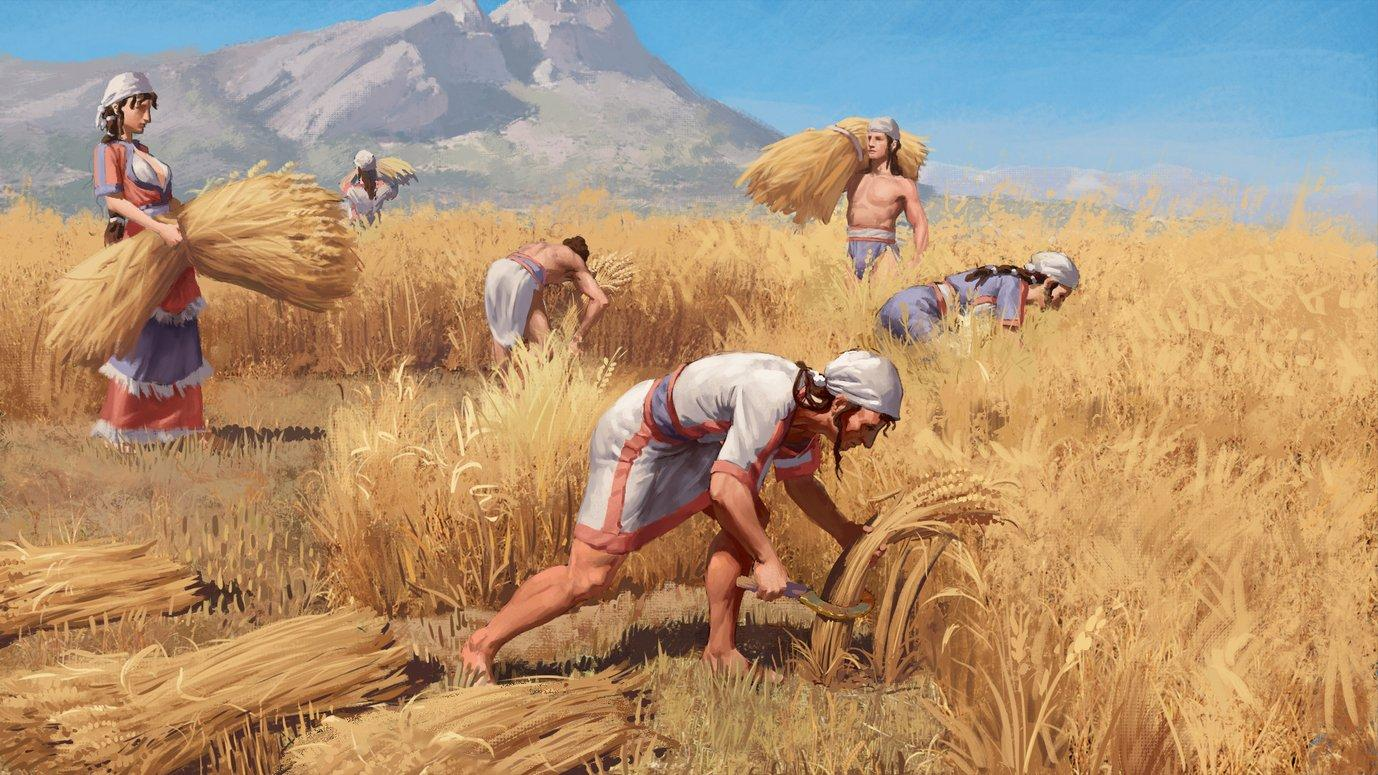
Agriculture in Minoan society

Agriculture formed an important part of the economic life of Bronze Age Crete. Cultivation, livestock raising, food processing, storage, and the management of agricultural resources contributed to the development of settlements and palace-centered systems.

The Minoan civilization is known through archaeological evidence including buildings, pottery, frescoes, storage facilities, tools, and other material remains. These sources reveal aspects of production, exchange, religious activity, and social organization.

Harvest songs, if they existed in a particular Minoan setting, would be difficult to verify because musical traditions rarely survive directly from prehistoric periods without exceptional preservation.

Music and agricultural labor

In many traditional agricultural societies, songs accompanied repetitive work. Singing could help maintain rhythm, encourage cooperation, express emotion, and make difficult tasks more manageable.

Harvest-related songs might have included references to grain, weather, fertility, labor, family, and seasonal change. Their performance could be connected with communal work or celebrations following the completion of harvesting.

For Bronze Age Crete, the existence of such musical practices is plausible in the broader context of human agricultural societies, but the actual lyrics, melodies, and forms of Minoan harvest songs cannot be reconstructed from the title alone.

Sitia and the eastern Cretan landscape

Sitia and eastern Crete have a long history of settlement and agricultural activity. The landscape includes coastal areas, fertile land, mountainous terrain, and communities that have adapted their economic activities to local conditions.

Archaeological research in eastern Crete contributes to the study of Minoan settlement patterns, agricultural production, regional exchange, and the relationship between communities and their environment.

Reconstructing prehistoric music

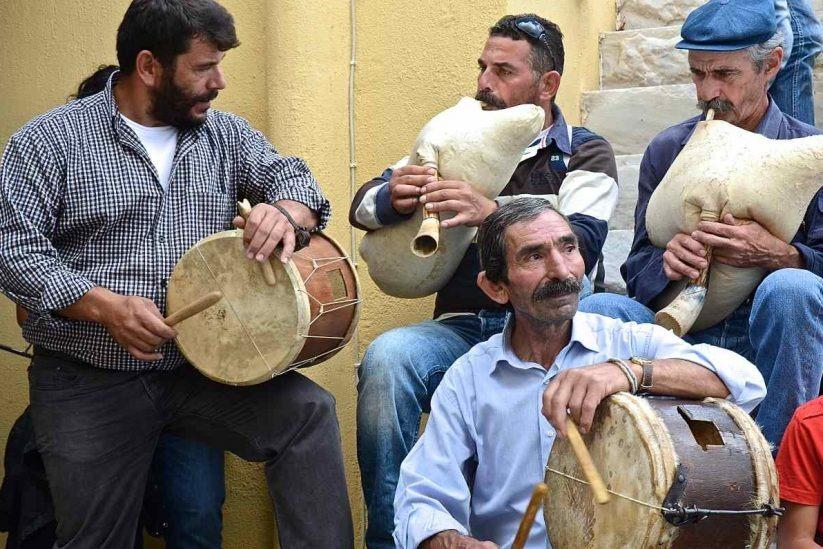
Researchers investigating prehistoric music can use indirect evidence, including musical instruments, iconography, depictions of performance, sound-producing objects, and comparative studies of later traditions.

Such evidence can help reconstruct the general role of music in ancient society, but it cannot reliably establish the existence or exact content of a particular song.

The imagined harvest songs of Sitia would therefore be an interesting research theme for exploring the relationship between agriculture, music, ritual, and communal identity in Minoan Crete.

← Hidden Byzantine Ship Blessings in ArgosLittle-known Cycladic plumb lines in a Kimolos storeroom →
Featured
image_2026-11-19_221539354.png
November 19, 2026
Obscure Cycladic Shoulder Songs in Naxos
November 19, 2026
Read more →
November 19, 2026
image_2026-11-19_221459485.png
November 19, 2026
Hidden Ottoman Coffee Divination in Kavala
November 19, 2026
Read more →
November 19, 2026
image_2026-11-19_221421067.png
November 19, 2026
Obscure Vlach Sky Omens in Metsovo Tales
November 19, 2026
Read more →
November 19, 2026
image_2026-11-19_221347429.png
November 19, 2026
Hidden Minoan Lullabies in Heraklion Suburbs
November 19, 2026
Read more →
November 19, 2026
image_2026-11-19_221304115.png
November 19, 2026
Obscure Cretan Vine Rites in Vamos
November 19, 2026
Read more →
November 19, 2026
image_2026-11-19_221005879.png
November 19, 2026
Obscure Lesbos ouzo codes in Mytilene
November 19, 2026
Read more →
November 19, 2026
read more

Powered by The archaeologist