Songs connected with physical work
The phrase "shoulder songs" can be interpreted as songs associated with carrying loads, agricultural labor, water collection, or other activities involving physical effort.
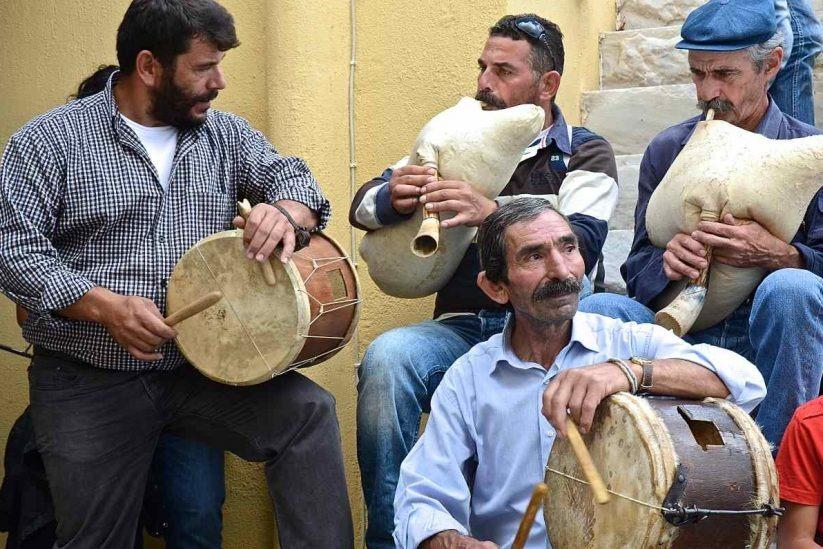
Traditional communities often developed work songs that helped establish rhythm, reduce the monotony of repetitive tasks, and create opportunities for shared expression.
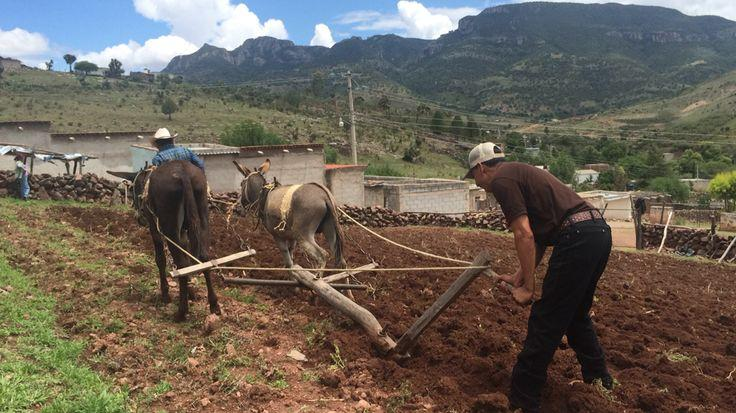
Carrying loads on the shoulder was a common activity in environments where people transported water, agricultural products, firewood, and household materials without modern mechanical equipment.
The role of music in everyday labor
Work songs can contain simple rhythms and repeated phrases that are easy to remember and perform while working. Their lyrics may reflect the physical activity itself, but they can also include themes of love, humor, hardship, social relationships, and personal experience.
The songs may have been performed individually or in groups. Their musical structure could vary depending on the activity and the community.
Naxos and the Cycladic landscape
Naxos has a long history of settlement, agricultural production, maritime connections, and cultural development. Its landscape includes villages, terraces, fields, mountains, and coastal environments.
Traditional work in such landscapes involved a range of tasks, including farming, livestock management, water collection, construction, and transport.
The study of work songs could provide insight into how music became part of the daily rhythm of island life.
Cultural and historical significance
A hypothetical collection of shoulder songs from Naxos would be relevant to folklore research because it would connect music with physical labor, social relationships, and the organization of everyday life.
Researchers could examine the lyrics, rhythm, vocabulary, performance contexts, and the memories of people who learned the songs from older generations.
Such a study would help preserve traditions that might otherwise disappear as work practices and rural lifestyles change.