Lullabies and the early experience of childhood
Lullabies are among the most intimate forms of traditional music. They are used to comfort children, encourage sleep, express affection, and communicate emotions through rhythm, repetition, and melody.
Their lyrics can contain wishes for protection, references to family, descriptions of daily life, and expressions of hope for the child's future.
The idea of Minoan lullabies in the suburbs of Heraklion raises a fascinating question about the history of music and childhood in Bronze Age Crete. However, the exact melodies and words of Minoan lullabies are not known simply from archaeological remains.
Childhood in Minoan society
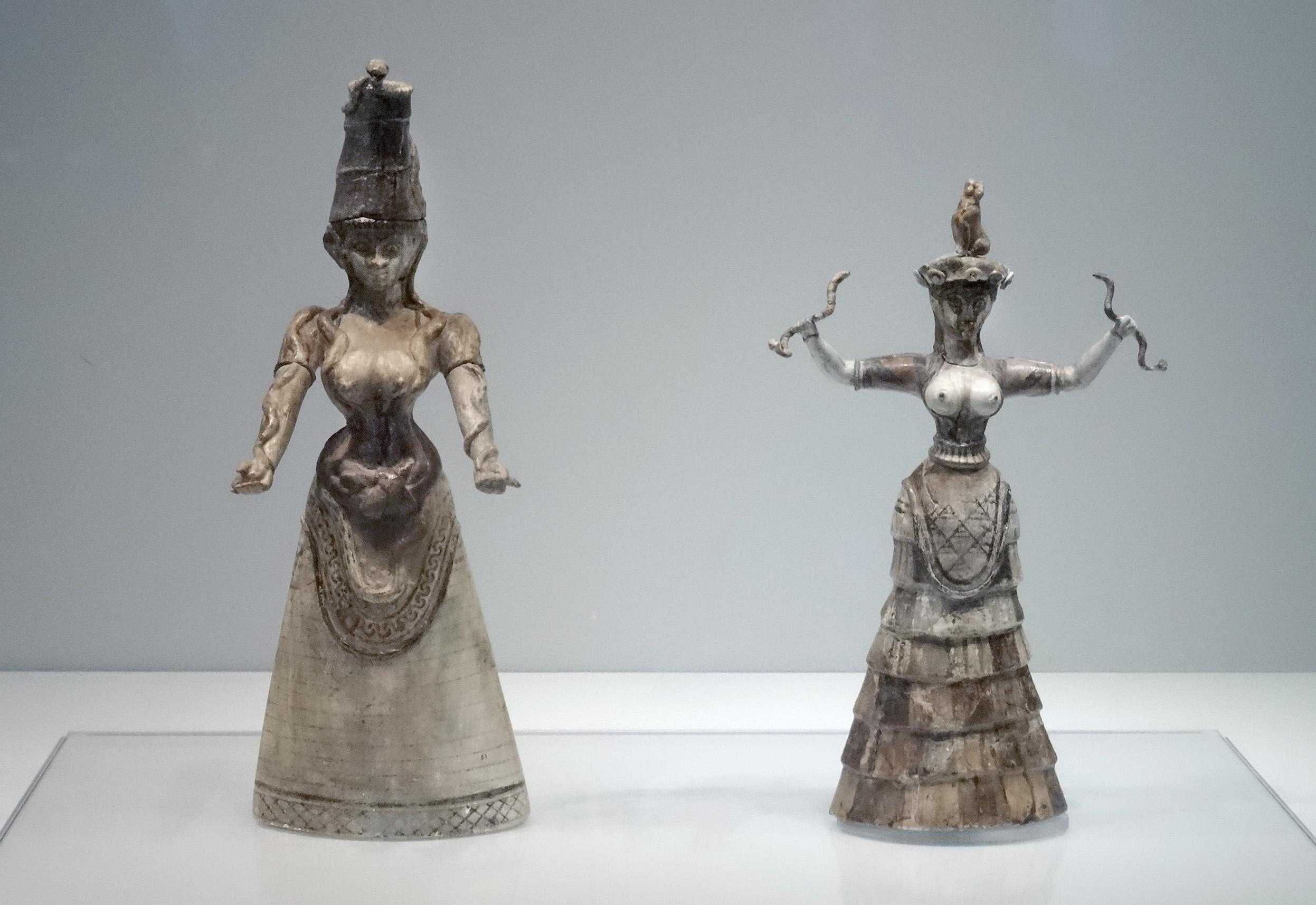
Archaeological evidence from Minoan Crete includes figurines, frescoes, pottery, buildings, and other objects that contribute to understanding social life. Evidence relating specifically to childhood can be more difficult to interpret because children may not have been represented in ways that clearly identify their everyday experiences.
Researchers can investigate childhood through age-related objects, skeletal evidence, depictions, burial practices, and domestic contexts. These materials may reveal aspects of health, social status, family life, and the experiences of young people.
Music and oral traditions, however, are more difficult to reconstruct because they rarely survive directly.
Music, caregiving, and oral transmission
Lullabies are generally transmitted through informal learning. A caregiver sings to a child, and the melody or lyrics may later be remembered and repeated within the family.
This process allows songs to change gradually. New verses may be introduced, words may be modified, and melodies may be adapted to local preferences.
The study of lullabies can therefore reveal the relationship between music, language, emotional expression, and caregiving.
The possibility of prehistoric lullabies
Musical instruments, depictions of musicians, and other artistic evidence can provide information about musical activity in prehistoric Crete. Yet they cannot establish the existence of specific lullabies or their exact form.
A hypothetical study of Minoan lullabies in the Heraklion area would explore how scholars reconstruct the role of music in domestic life, what archaeological evidence can reveal about childhood, and why some forms of cultural expression are difficult to recover.