Vine cultivation and the agricultural calendar
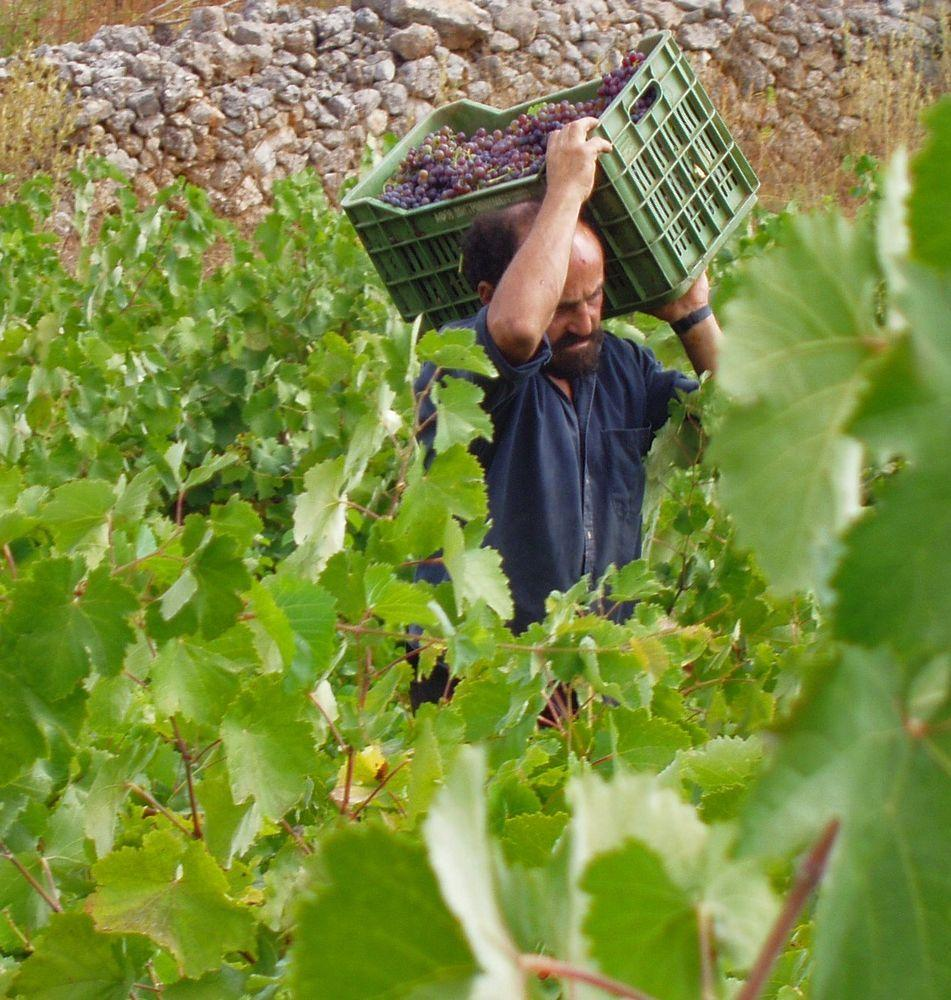
Viticulture has been an important part of Mediterranean agricultural life for thousands of years. The cultivation of vines requires knowledge of soil, climate, pruning, irrigation where needed, harvesting, and the management of pests and disease.
In Crete, grape cultivation and wine production have been connected with agricultural economies, food traditions, social gatherings, and religious practices.
The idea of vine rites in Vamos can be examined within the broader history of seasonal agricultural customs and celebrations associated with grape growing and wine production.
Rituals surrounding vines and wine
Agricultural rituals can reflect the relationship between people and the natural processes that sustain their livelihoods. Such practices may include prayers, symbolic actions, offerings, songs, or celebrations intended to encourage fertility, protect crops, and ensure a successful harvest.
In ancient Greek religion, wine and vineyards were strongly associated with Dionysus, a deity connected with wine, vegetation, festivity, theater, and ritual. Dionysian traditions included a variety of religious and social practices, although their forms differed across communities and periods.
Later agricultural customs might also incorporate Christian prayers, saints' celebrations, or local traditions related to the seasonal cycle.
Vamos and rural Cretan life
Vamos, in the Apokoronas region of Chania, is situated within a landscape of villages, agricultural land, and traditional rural settlement patterns.
Vine cultivation could be connected with household production, local commerce, food preparation, and community gatherings. Wine was often part of everyday meals as well as celebrations.
The relationship between vines and village identity can be explored through local agriculture, family traditions, seasonal work, and the preservation of rural knowledge.
The cultural meaning of the vineyard
Vineyards represent more than agricultural production. They can become symbols of prosperity, continuity, family heritage, and the relationship between people and land.
A hypothetical study of Cretan vine rites in Vamos would examine seasonal customs, agricultural symbolism, religious practices, and the cultural importance of wine. It would require local documentation to establish which specific rituals were actually practiced.