Sky omens and traditional environmental observation
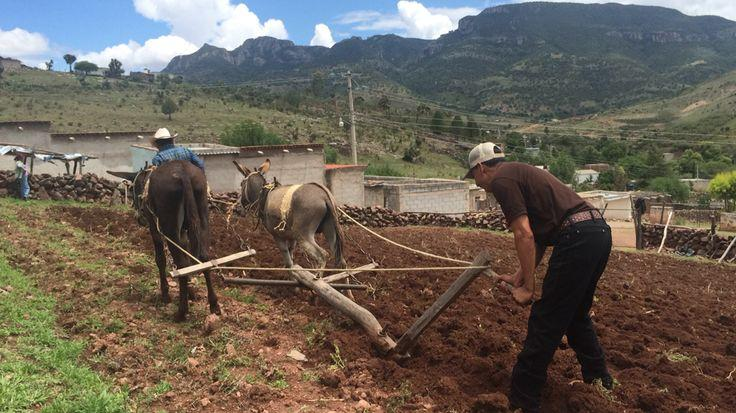
Traditional communities often developed systems for interpreting weather, seasons, and environmental changes. In mountain regions, knowledge of the sky could be particularly important because sudden weather changes might affect livestock, travel, agricultural work, and safety.
Vlach communities have historically been associated with pastoral activities, seasonal movement, mountain settlements, and rich oral traditions. Stories and observations about the sky could be part of the practical knowledge developed through life in these environments.
Omens and folklore
The concept of sky omens includes the interpretation of clouds, stars, unusual atmospheric conditions, wind patterns, and other natural phenomena as signs of future events.
Some interpretations may have practical foundations. A particular cloud formation or wind direction could indicate a change in weather. Other interpretations might be symbolic, relating celestial phenomena to fortune, danger, family events, or community expectations.
Traditional stories may preserve such interpretations through narratives involving unusual skies, storms, stars, or other signs.
Metsovo and mountain culture
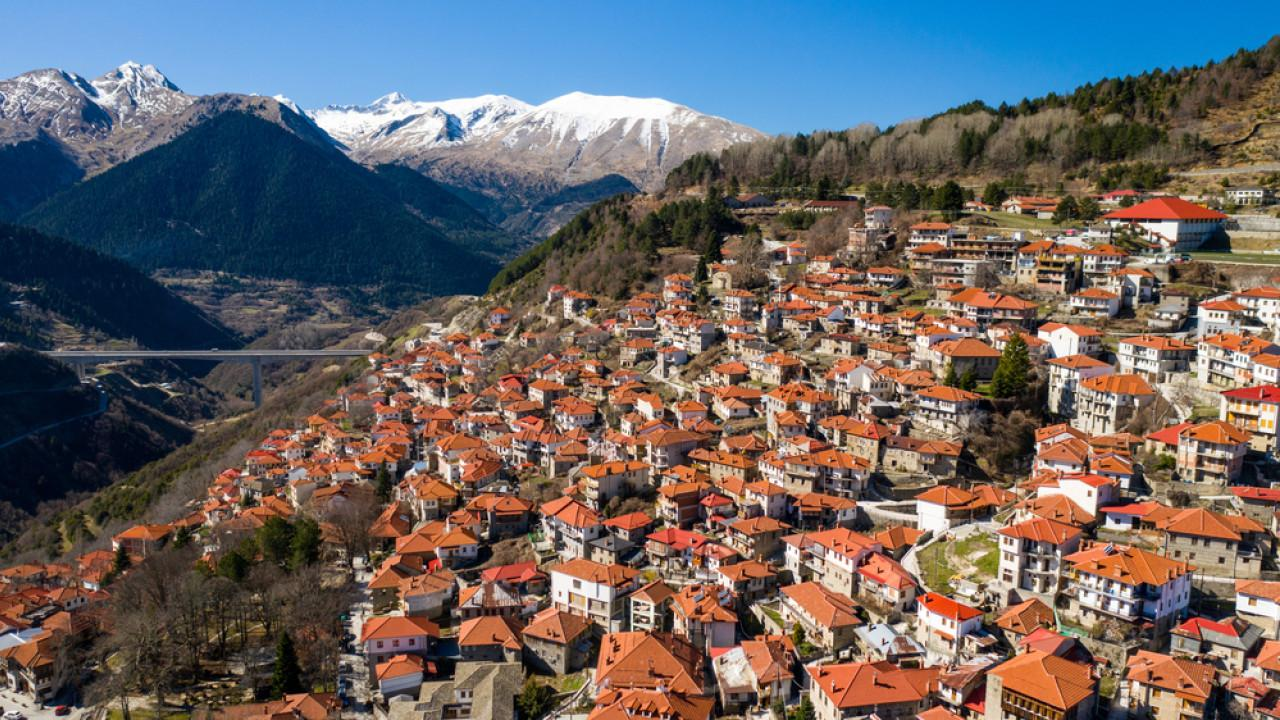
Metsovo is associated with mountain life, pastoral traditions, regional cultural identity, and historical connections across the Pindos region.
Traditional knowledge in mountainous communities could include understanding terrain, seasonal conditions, animal behavior, and the changing environment. Such knowledge was often transmitted through stories and informal teaching.
Vlach-language traditions and oral narratives can provide material for studying how environmental knowledge and cultural identity were connected.
Stories as environmental memory
Folklore can preserve practical observations even when they are presented in symbolic or narrative form. Stories about weather and celestial signs may reflect generations of experience with the local environment.
A hypothetical collection of Vlach sky omens from Metsovo would be valuable for exploring the relationship between folklore, meteorological observation, oral tradition, and pastoral knowledge. Researchers would need to distinguish documented local sayings from general beliefs attributed to mountain communities.