• MAIN PAGE
  • LATEST NEWS
    • Lost Cities
    • Archaeology's Greatest Finds
    • Underwater Discoveries
    • Greatest Inventions
    • Studies
    • Blog
  • PHILOSOPHY
  • HISTORY
  • RELIGIONS
    • Africa
    • Anatolia
    • Arabian Peninsula
    • Balkan Region
    • China - East Asia
    • Europe
    • Eurasian Steppe
    • Levant
    • Mesopotamia
    • Oceania - SE Asia
    • Pre-Columbian Civilizations of America
    • Iranian Plateau - Central Asia
    • Indus Valley - South Asia
    • Japan
    • The Archaeologist Editor Group
    • Scientific Studies
    • Aegean Prehistory
    • Historical Period
    • Byzantine Middle Ages
    • Predynastic Period
    • Dynastic Period
    • Greco-Roman Egypt
  • Rome
  • PALEONTOLOGY
  • About us
Menu

The Archaeologist

  • MAIN PAGE
  • LATEST NEWS
  • DISCOVERIES
    • Lost Cities
    • Archaeology's Greatest Finds
    • Underwater Discoveries
    • Greatest Inventions
    • Studies
    • Blog
  • PHILOSOPHY
  • HISTORY
  • RELIGIONS
  • World Civilizations
    • Africa
    • Anatolia
    • Arabian Peninsula
    • Balkan Region
    • China - East Asia
    • Europe
    • Eurasian Steppe
    • Levant
    • Mesopotamia
    • Oceania - SE Asia
    • Pre-Columbian Civilizations of America
    • Iranian Plateau - Central Asia
    • Indus Valley - South Asia
    • Japan
    • The Archaeologist Editor Group
    • Scientific Studies
  • GREECE
    • Aegean Prehistory
    • Historical Period
    • Byzantine Middle Ages
  • Egypt
    • Predynastic Period
    • Dynastic Period
    • Greco-Roman Egypt
  • Rome
  • PALEONTOLOGY
  • About us
No results found

Hidden Byzantine Ship Blessings in Argos

November 19, 2026

Maritime religion in the Byzantine world

The Byzantine world was closely connected with the sea through trade, transportation, fishing, military activity, and communication. Ships and maritime routes were important for the movement of people, goods, soldiers, religious objects, and information.

Seafaring was also associated with risk. Storms, shipwrecks, uncertain navigation, and hostile conditions could make maritime travel dangerous. Religious practices therefore played an important role in the spiritual lives of sailors, merchants, and communities connected with the sea.

Blessings, prayers, and invocations for protection were common elements of Christian religious life. The idea of ship blessings reflects the broader tradition of seeking divine protection for journeys and occupations.

Religious protection and seafaring

Christian communities used prayers and ritual blessings to express dependence on divine protection. Ships, journeys, travelers, and other activities could be incorporated into religious ceremonies.

Such practices could involve clergy, sacred objects, prayers, processions, and the invocation of saints associated with protection or assistance.

The specific form of a ship blessing could vary depending on the period, location, religious context, and local tradition. The title's reference to hidden Byzantine ship blessings in Argos does not confirm the existence of a particular ceremony there.

Argos and regional connections

Argos has a long history of settlement and cultural development in the Peloponnese. Its broader regional setting includes connections with inland communities, coastal areas, and maritime networks.

Research into religious and maritime traditions in the region would require consideration of archaeological evidence, church records, inscriptions, liturgical sources, and historical documentation.

Rituals and maritime memory

Maritime rituals can help communities express the relationship between religion, danger, livelihood, and collective identity. A blessing may symbolize protection, hope, and the safe return of people who depend on the sea.

A hypothetical study of Byzantine ship blessings associated with Argos would therefore examine the religious practices connected with travel, maritime life, and the protection of vessels. It would also explore how ritual practices were adapted to local communities and historical circumstances.
← Obscure Archaic Wedding Songs in North EpirusHidden Minoan Harvest Songs in Sitia →
Featured
image_2026-11-19_222129997.png
November 19, 2026
Obscure Fluorite in a Dirfi Cave
November 19, 2026
Read more →
November 19, 2026
image_2026-11-19_222051327.png
November 19, 2026
Hidden Zeolite in Aeolian Coastal Cliffs
November 19, 2026
Read more →
November 19, 2026
image_2026-11-19_222017770.png
November 19, 2026
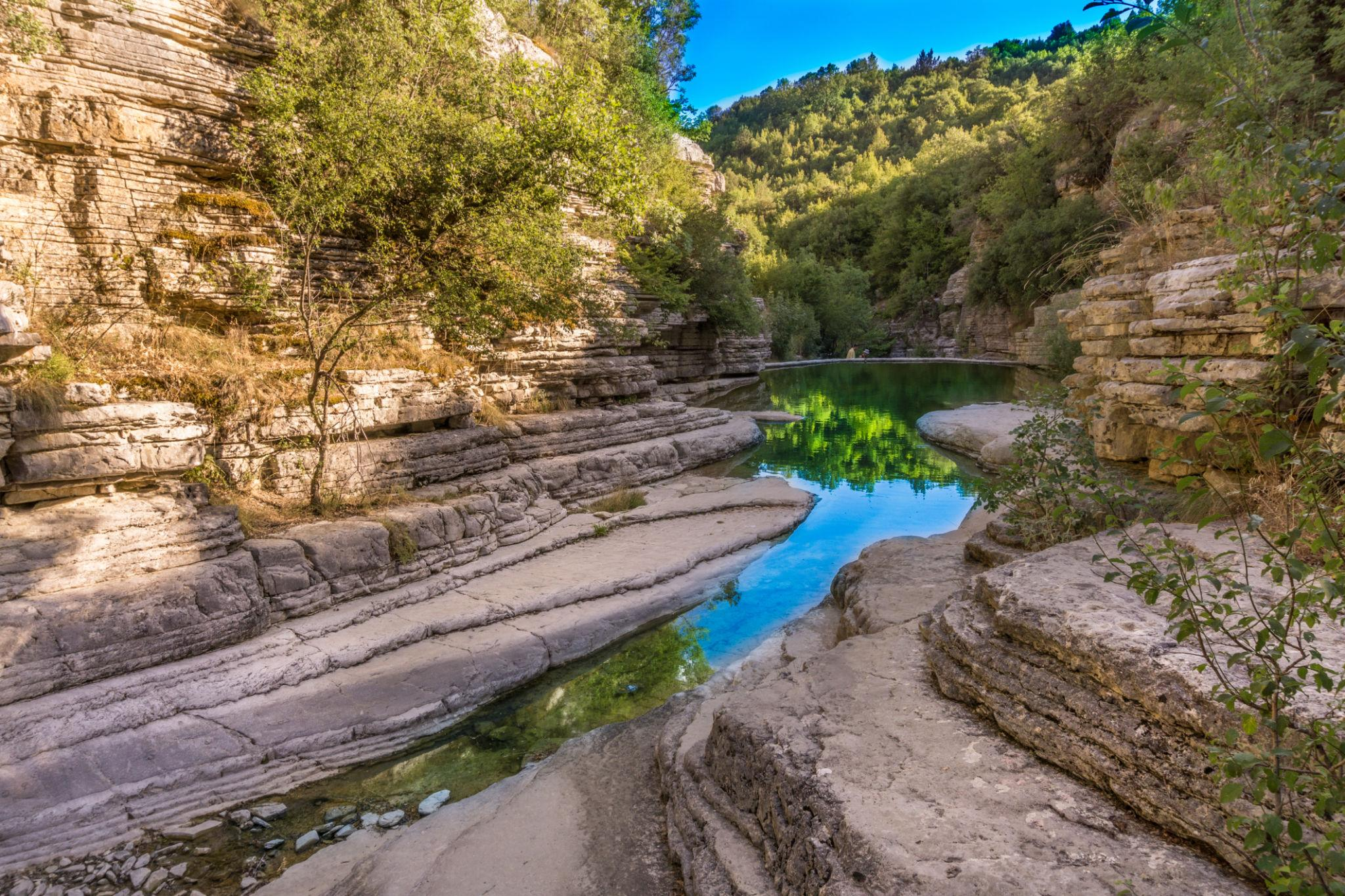
Obscure Travertine Terraces in Voidomatis
November 19, 2026
Read more →
November 19, 2026
image_2026-11-19_221939397.png
November 19, 2026
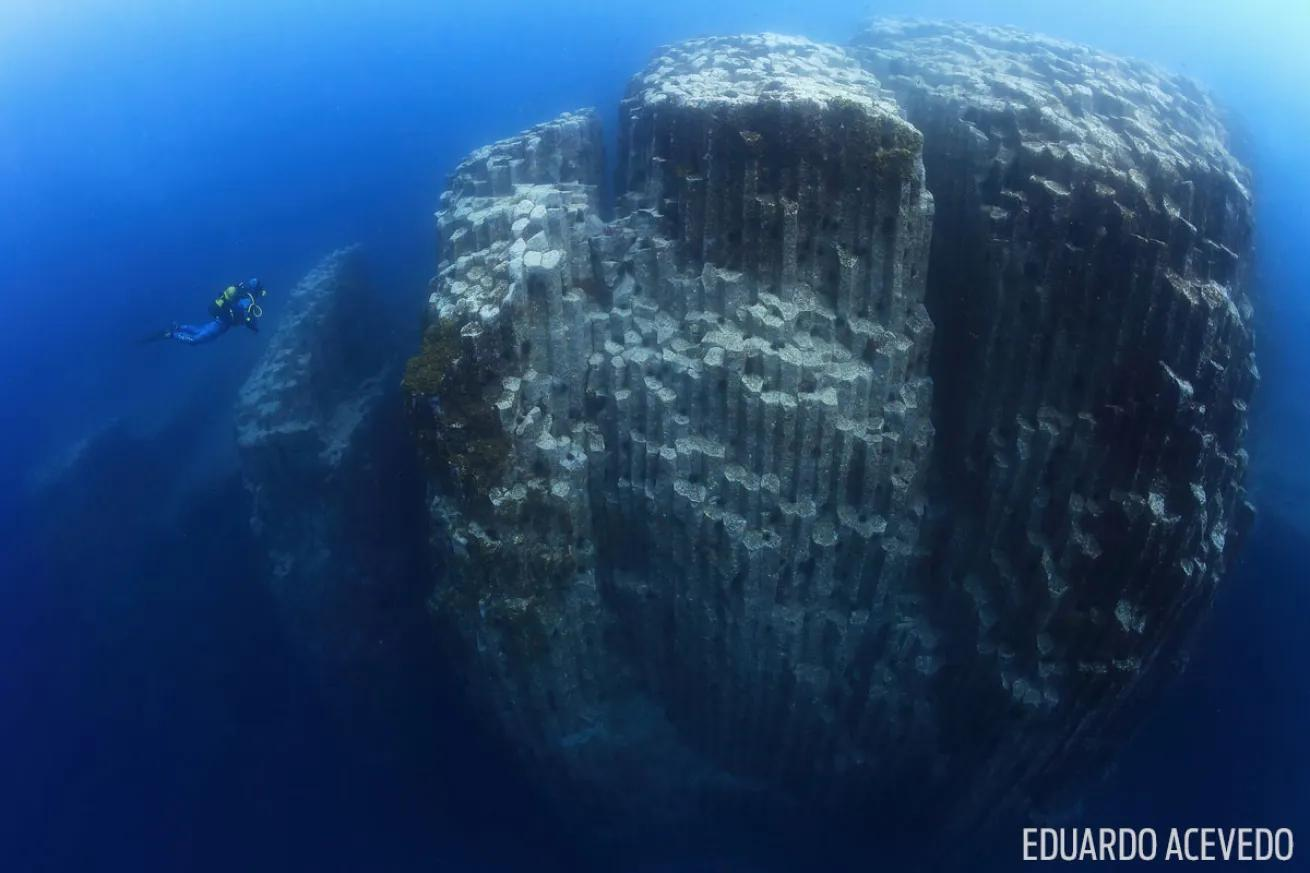
Submerged Basalt Columns in a Saronic Cove
November 19, 2026
Read more →
November 19, 2026
image_2026-11-19_221855657.png
November 19, 2026
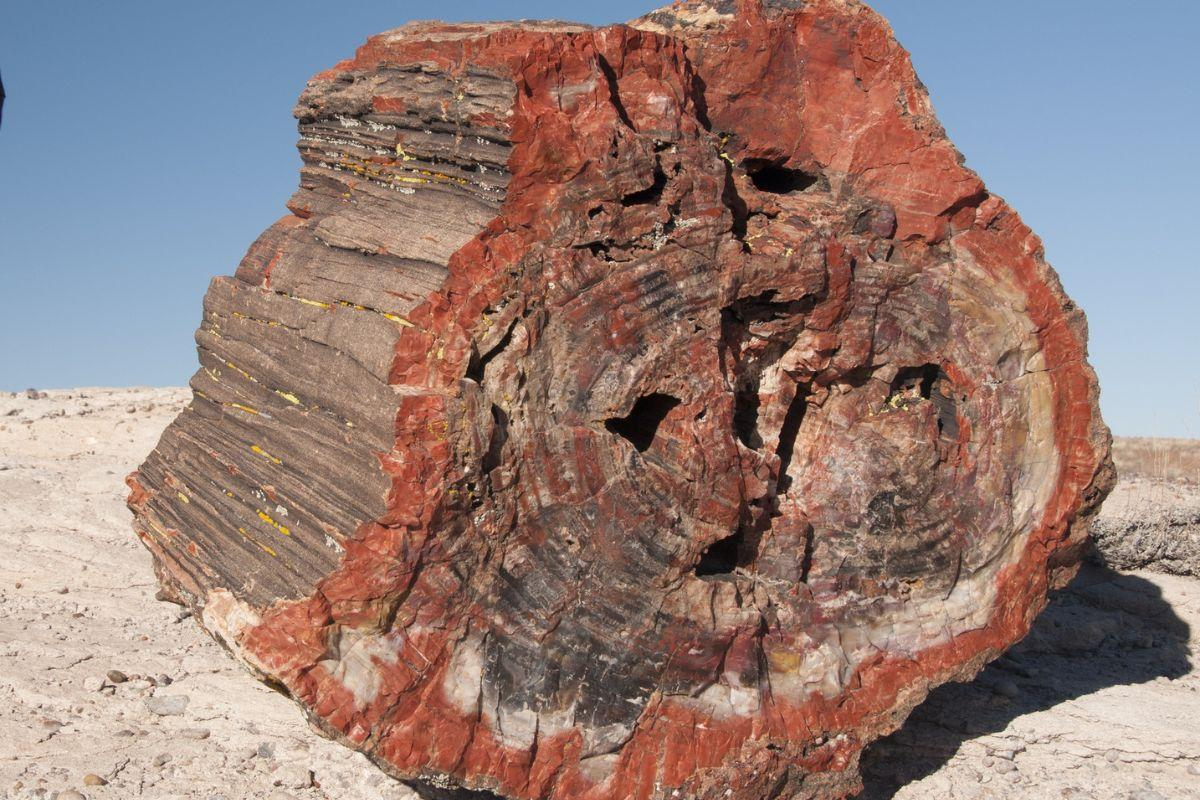
Hidden Petrified Trees Near Meteora’s Base
November 19, 2026
Read more →
November 19, 2026
image_2026-11-19_221811443.png
November 19, 2026
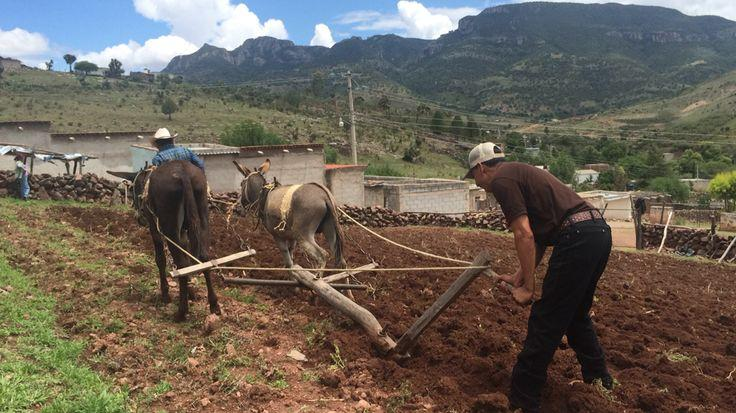
Obscure Thracian Plough Blessings in Drama
November 19, 2026
Read more →
November 19, 2026
read more

Powered by The archaeologist