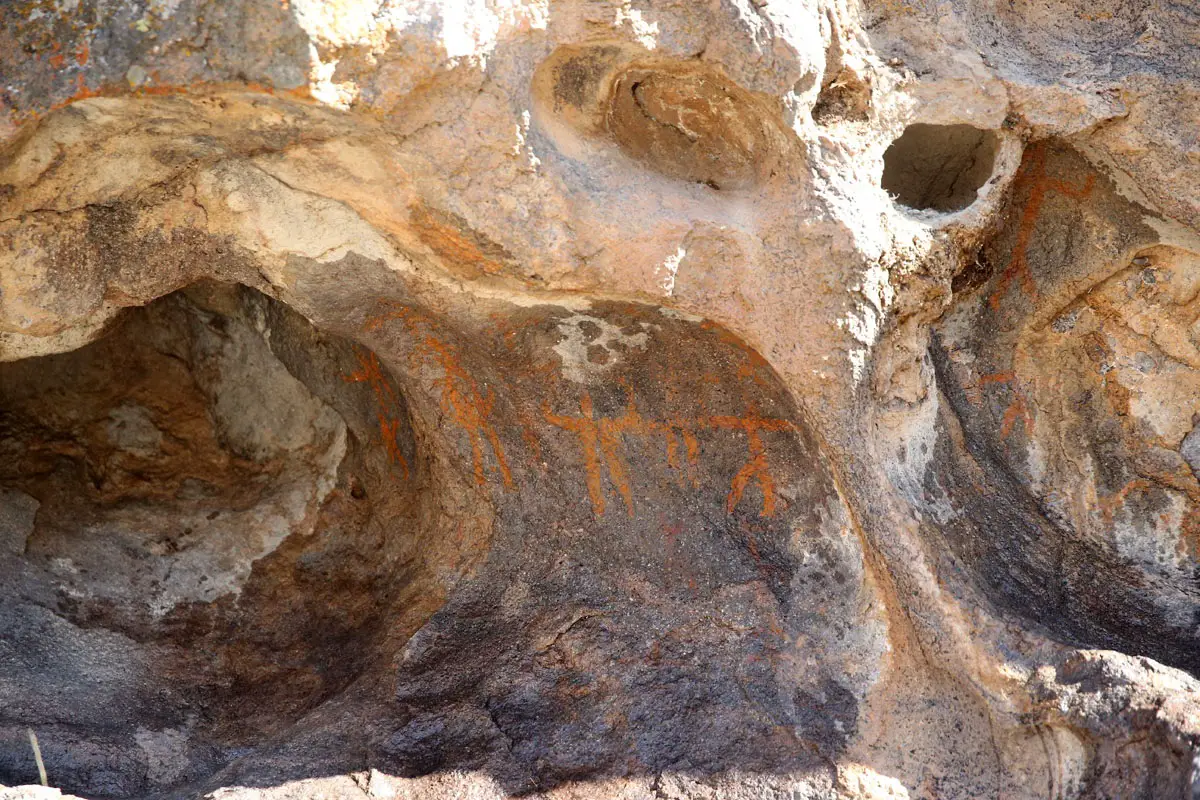
Neolithic Rock Paintings Discovered in Central Anatolia
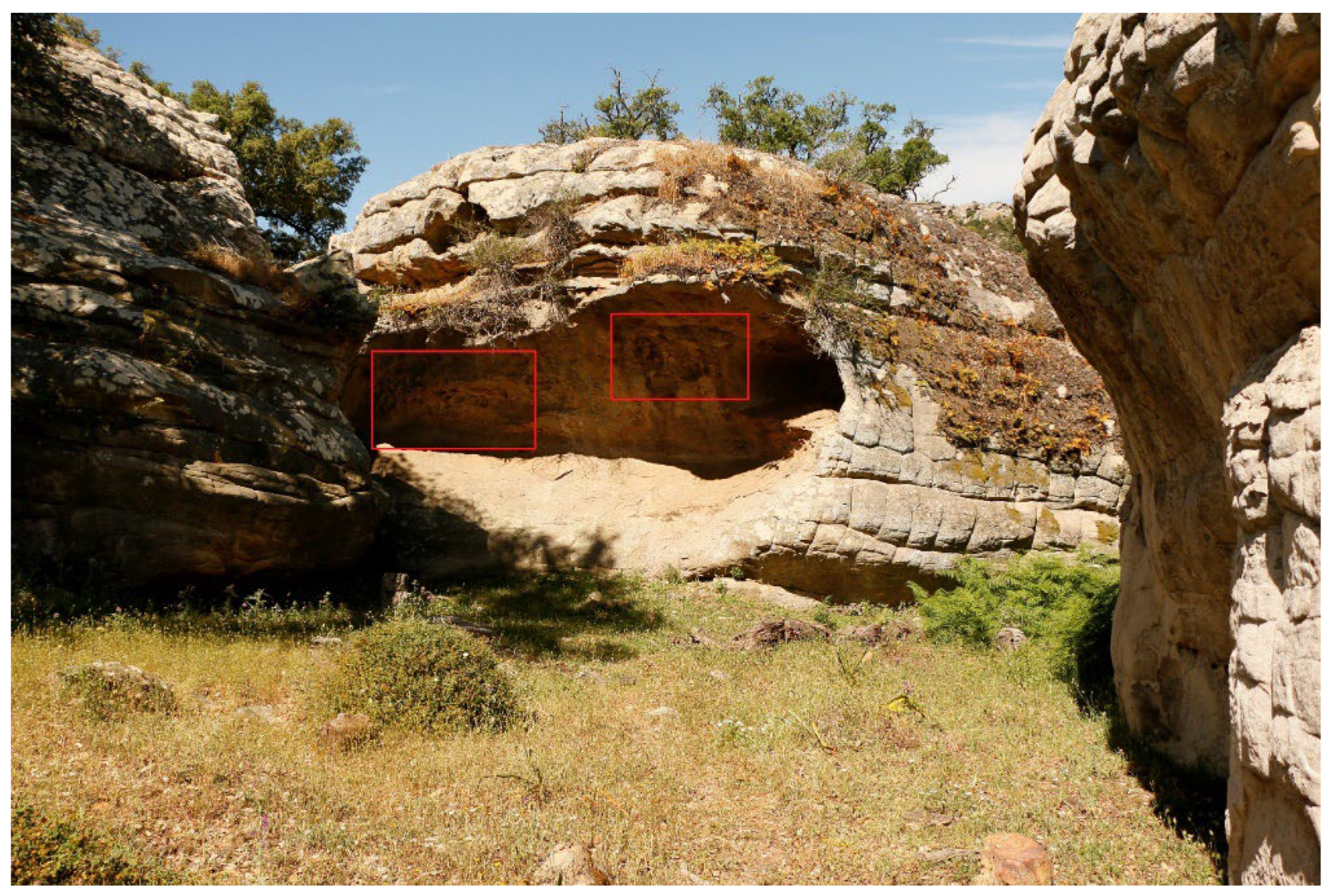
A series of prehistoric rock paintings has been uncovered in the Kayseri region of Central Anatolia, Turkey, after a hiker spotted human-shaped figures on exposed rock and alerted local authorities.
Experts from the ÇEKÜL Foundation suggest the paintings may represent the earliest evidence of Neolithic activity in the area. Prof. Dr. Osman Özsoy noted that while the compositions resemble rock art found elsewhere in Anatolia—including Hakkari, Van, Mersin, Antalya, and Çatalhöyük—the Kayseri examples are unique in the region.
The figures appear to depict males, females, and families, indicating a symbolic or ritual purpose. Researchers plan to date the paintings using chemical analysis of the pigments, surface erosion studies, and typological comparisons with other international rock art. Preliminary estimates suggest they date to around 6000 BC, though further testing will determine whether natural pigments such as hematite, clay, and stone were used.
The discovery is also being praised as a model for cultural heritage protection, highlighting the importance of public awareness and responsible reporting. Özsoy added that the findings could lead to a reassessment of Kayseri’s early human history, potentially extending it back to the Neolithic.
An additional point of interest is whether Mount Erciyes, a prominent feature of the local landscape, is symbolically represented in the paintings—an element that could shed new light on the region’s prehistoric identity.