Introduction
Injisuthi, located in the central Drakensberg of KwaZulu-Natal, forms part of a landscape known for its San rock paintings. The region’s shelters contain images of animals, human figures, and complex arrangements that preserve evidence of artistic practice and Indigenous cultural traditions.
A frieze is a series of figures or designs arranged along a continuous surface. In rock art, a procession-like frieze may appear to show several people or animals moving in the same direction or arranged in a repeated sequence.
The title “Procession Friezes” provides a useful starting point for examining how figures are organised in rock paintings. However, an arrangement that resembles a procession does not necessarily depict a formal ceremony. The meaning of a composition must be established through its visual details and archaeological context.
The Injisuthi Environment
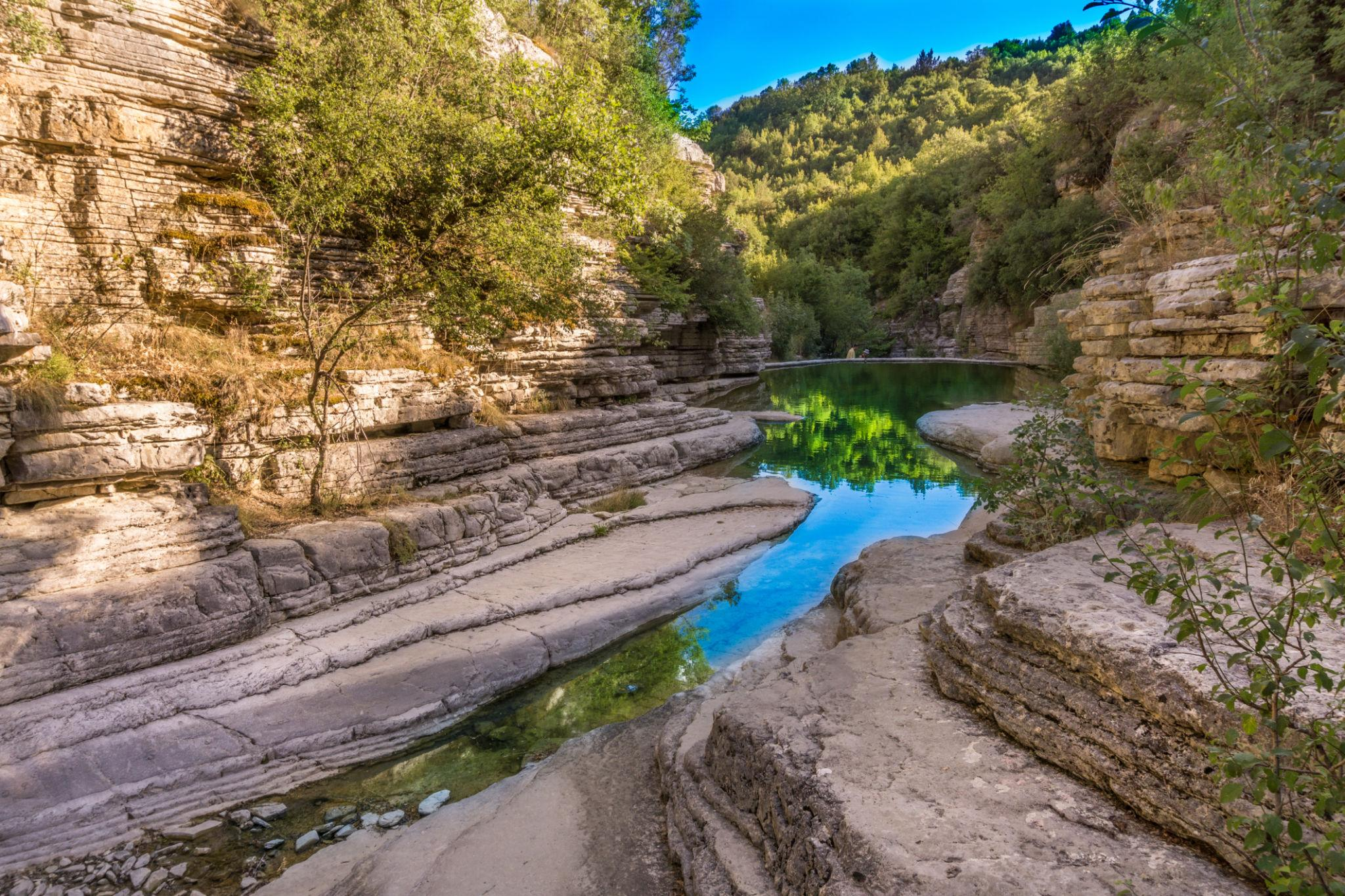
Injisuthi lies among the Drakensberg’s high cliffs, valleys, and grasslands. Sandstone shelters provided protected surfaces on which artists could apply pigments, and the wider landscape offered resources that supported human activity.
The relationship between a shelter and its surroundings may have influenced its use. A location near water or a route through the mountains could have practical importance, while a particular rock surface might have held cultural significance.
Rock paintings are affected by the environment in which they survive. Moisture, changes in temperature, mineral deposits, and biological growth can alter pigment and make some figures difficult to distinguish.
Understanding a Procession Frieze
A procession-like composition may consist of a series of human figures, animals, or both. The figures might face in a common direction, repeat similar postures, or appear to move across the rock surface.
The arrangement can create a sense of movement even when the images are static. Artists can suggest motion by varying the position of limbs, changing the direction of bodies, or placing figures in a sequence.
Nevertheless, the visual impression of a procession does not establish what the figures were doing. The composition could represent movement between locations, a hunting activity, a gathering, a dance, or a symbolic narrative. It could also contain figures painted at different times.
Researchers examine differences in pigment, style, overlapping lines, and the condition of the rock to determine whether the figures belong to a single composition.
Social and Ritual Interpretations
Human figures arranged in groups are often discussed in relation to collective activities. These may include hunting, dancing, ceremonies, or other forms of social interaction.
Some San rock paintings have been interpreted through ethnographic evidence concerning healing ceremonies and ritual practices. Such research provides important context for understanding certain images, particularly when the composition contains unusual postures or combinations of human and animal forms.
However, not every group of figures should be described as a ritual procession. Researchers must distinguish what is visible in the painting from the explanation proposed for it.
A careful interpretation considers the entire composition, comparable works from other sites, and the limitations of the available evidence.
Artistic Technique and Composition
Creating a long sequence of figures requires attention to spacing, proportion, and the relationship between images. Artists worked on irregular rock surfaces, adapting the composition to the shape of the shelter wall.
Differences in figure size may reflect perspective, artistic convention, or the relative importance of particular figures. They do not necessarily indicate the actual physical size of the people represented.
Pigment analysis and detailed recording can help identify the order in which images were produced. When one figure overlaps another, the overlapping relationship may show which image was painted later, although weathering and damage can complicate the analysis.
Conservation
Procession-like compositions can be especially vulnerable when figures extend across a broad section of a shelter wall. Damage to one area may obscure the relationship between individual figures and make the overall composition more difficult to interpret.
Conservation measures include documenting the entire painted surface, monitoring environmental changes, controlling visitor access, and preventing vandalism. Digital photography can help researchers compare the condition of a painting over time.
Conclusion
Injisuthi’s rock-art landscape provides an opportunity to investigate how artists arranged figures to create movement and visual relationships. Procession-like friezes can raise questions about social life, ritual, and artistic composition, but their meanings must be established through careful analysis.
The importance of these paintings lies in their ability to preserve visual traditions that are not fully represented in written historical records. Responsible interpretation and conservation can help protect this heritage while acknowledging the uncertainty that remains about the original purpose of particular scenes.