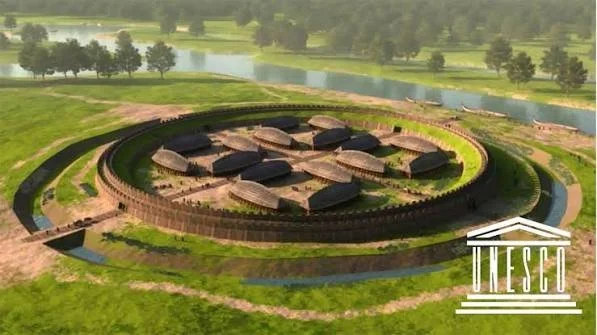
For decades, the 11,500-year-old sanctuary of Göbekli Tepe in southeastern Turkey stood alone as an architectural anomaly—an impossible temple complex built by hunter-gatherers long before the invention of agriculture, pottery, or metal tools. However, the ongoing excavations at Karahan Tepe, located just 23 miles to the east in the rugged Taş Tepeler region, have revealed that Göbekli Tepe was not an isolated miracle. It was part of a sprawling, highly coordinated network of Pre-Pottery Neolithic (PPN) ritual complexes that are completely overturning our understanding of the human mind at the end of the last Ice Age.
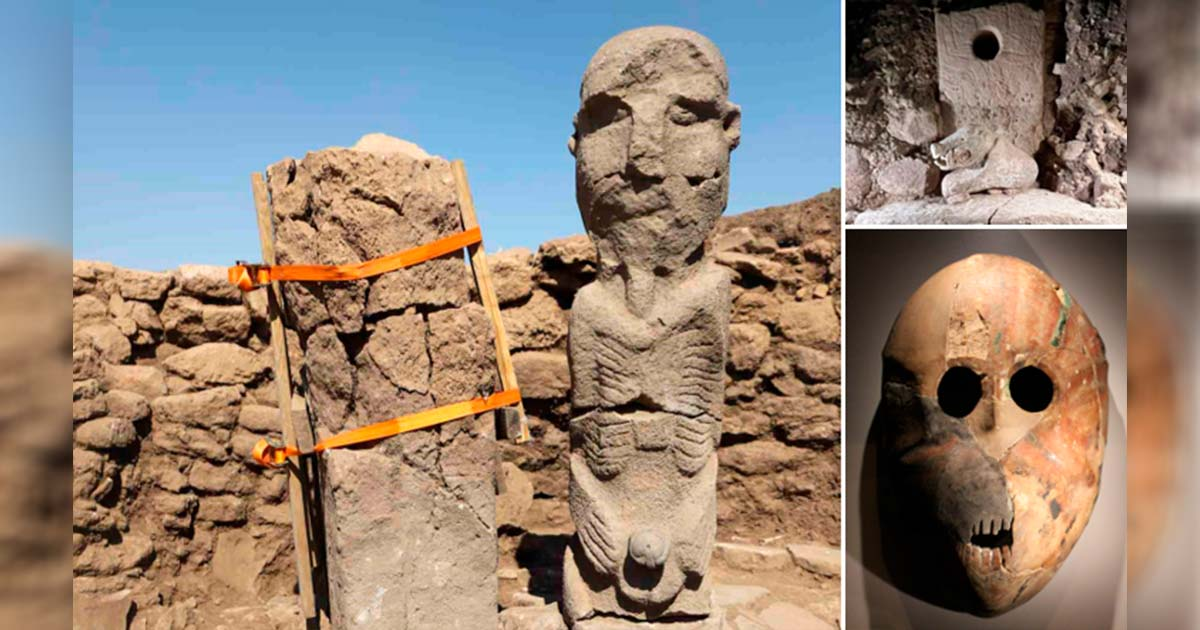
Dating to approximately 9400 to 8200 BCE, Karahan Tepe features a structural mastery that in many ways eclipses its twin sister site. While Göbekli Tepe is famous for its abstract, T-shaped limestone pillars carved with reliefs of dangerous animals, Karahan Tepe places a terrifying, visceral emphasis on human anatomy, shamanistic initiation, and phallic rituals.
The Chamber of the Phallic Pillars
The absolute architectural masterpiece of Karahan Tepe is a subterranean structure known as Complex AB. Carved directly out of the solid limestone bedrock of the hillside, this large rectangular pool features two interconnected, theatrical rooms:
   [ THE PREPARATION ROOM ] ──► Accumulation of ritual fluids or water
                                          │
                              (The Shamanistic Descent)
                                          │
                                          ▼
   [ THE PHALLIC CHAMBER ] ◄── Shaman navigates 11 standing bedrock phalluses ──► Exits via Serpent Portal
The Eleven Pillars: Inside the main sunken room, the Neolithic builders carved eleven monumental phalluses directly from the living bedrock, causing them to erupt from the floor like stone stalagmites.
The Human Head: Looking over these phallic pillars is a colossal, 3D human head carved into the western wall of the rock. The head features an elongated neck, heavy brow ridges, and deeply expressive lips, presenting a fierce, ancestral gaze that dominates the entire space.
The Serpent Portal: To exit this chamber, an initiate had to crawl through a narrow, curved tunnel carved in the shape of a massive snake's head, emerging into a secondary, larger ceremonial pool.
The Spatial Geography of Shamanism
The architectural layout of Karahan Tepe suggests a highly structured, dramatic ritual process. The chambers were not designed for large public gatherings; instead, they were intimate, dark, underground spaces meant for elite, shamanistic initiations. Initiates likely moved through these rooms under the influence of psychotropic substances, navigating the subterranean pools of water amidst the carved phalluses while staring directly into the face of the stone ancestor.
The sheer scale of the site is staggering. Over 250 T-shaped pillars have been identified across the hillside, many featuring intricate reliefs of leaping foxes, slithering serpents, and stylized human hands gripping the waist.
The fact that Karahan Tepe and Göbekli Tepe were built simultaneously by hunter-gatherers proves that religion and ritual architecture came before agriculture, not after. It was the desperate psychological need to gather in massive numbers to build these monumental stone temples that forced humans to settle down, domesticate wild grains, and invent farming, turning the traditional timeline of human civilization completely on its head.