• MAIN PAGE
  • LATEST NEWS
    • Lost Cities
    • Archaeology's Greatest Finds
    • Underwater Discoveries
    • Greatest Inventions
    • Studies
    • Blog
  • PHILOSOPHY
  • HISTORY
  • RELIGIONS
    • Africa
    • Anatolia
    • Arabian Peninsula
    • Balkan Region
    • China - East Asia
    • Europe
    • Eurasian Steppe
    • Levant
    • Mesopotamia
    • Oceania - SE Asia
    • Pre-Columbian Civilizations of America
    • Iranian Plateau - Central Asia
    • Indus Valley - South Asia
    • Japan
    • The Archaeologist Editor Group
    • Scientific Studies
    • Aegean Prehistory
    • Historical Period
    • Byzantine Middle Ages
    • Predynastic Period
    • Dynastic Period
    • Greco-Roman Egypt
  • Rome
  • PALEONTOLOGY
  • About us
Menu

The Archaeologist

  • MAIN PAGE
  • LATEST NEWS
  • DISCOVERIES
    • Lost Cities
    • Archaeology's Greatest Finds
    • Underwater Discoveries
    • Greatest Inventions
    • Studies
    • Blog
  • PHILOSOPHY
  • HISTORY
  • RELIGIONS
  • World Civilizations
    • Africa
    • Anatolia
    • Arabian Peninsula
    • Balkan Region
    • China - East Asia
    • Europe
    • Eurasian Steppe
    • Levant
    • Mesopotamia
    • Oceania - SE Asia
    • Pre-Columbian Civilizations of America
    • Iranian Plateau - Central Asia
    • Indus Valley - South Asia
    • Japan
    • The Archaeologist Editor Group
    • Scientific Studies
  • GREECE
    • Aegean Prehistory
    • Historical Period
    • Byzantine Middle Ages
  • Egypt
    • Predynastic Period
    • Dynastic Period
    • Greco-Roman Egypt
  • Rome
  • PALEONTOLOGY
  • About us
No results found

Lake Mungo: Australia's 42,000-Year Cremation Rites

June 30, 2026

Lake Mungo: Australia's 42,000-Year Cremation Rites

Introduction

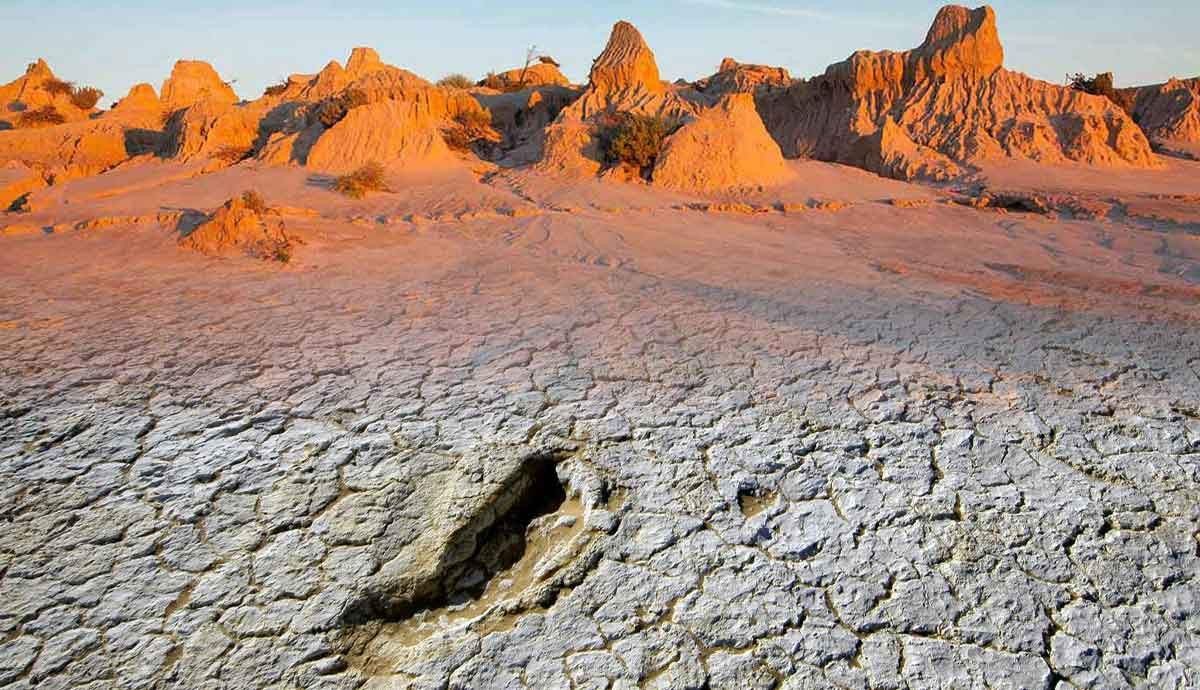
The arid expanse of the Willandra Lakes Region in New South Wales, Australia, holds the key to one of the most profound discoveries in the history of human spiritual evolution. Lake Mungo, now a dry lakebed defined by vast crescent-shaped sand dunes known as lunettes, served as the final resting place for individuals who lived over 40 millennia ago. The discovery of the remains known as Mungo Lady (Lake Mungo 1) and Mungo Man (Lake Mungo 3) shattered previous Eurocentric models regarding the emergence of complex cognitive behavior, symbolic thought, and structured religious practice.

Before these findings, the archaeological establishment largely believed that advanced ritualistic treatment of the dead emerged much later, primarily among Upper Paleolithic populations in southwestern Europe. Lake Mungo radically revised this timeline, proving that early Homo sapiens in Sahul (the prehistoric landmass connecting Australia, New Guinea, and Tasmania) were executing sophisticated, abstract mortuary traditions at a time when Neanderthals were still occupying Western Europe.
← Philistine DNA: Ashkelon's 3,000-Year European RootsLake Mungo: Australia's 42,000-Year Cremation Rites →
Featured
image_2026-06-23_131021851.png
June 30, 2026
Paionian Tombs: North Macedonia's Forgotten Kingdom
June 30, 2026
Read more →
June 30, 2026
image_2026-06-23_130935549.png
June 30, 2026
Dacian Gold Mines: Romania's Sarmizegetusa Secrets
June 30, 2026
Read more →
June 30, 2026
image_2026-06-23_130856970.png
June 30, 2026
Thracian DNA: Bulgaria's Golden Warriors' Heritage
June 30, 2026
Read more →
June 30, 2026
image_2026-06-23_130821648.png
June 30, 2026
Albanian Genetic Archaeology: Illyrian-Pelasgian Links
June 30, 2026
Read more →
June 30, 2026
image_2026-06-23_130650967.png
June 30, 2026
Unetice Culture: Czech Bronze Age Hoard Genetic
June 30, 2026
Read more →
June 30, 2026
image_2026-06-23_130609500.png
June 30, 2026
Globular Amphora: Poland's 5,000-Year Milk Evidence
June 30, 2026
Read more →
June 30, 2026
read more

Powered by The archaeologist