Roman Urban Infrastructure: The Cloaca Maxima of Rome
Introduction
Ancient Rome was famous not only for its armies and emperors but also for its advanced engineering. One of its greatest achievements in urban infrastructure was the Cloaca Maxima, one of the world’s earliest and most influential sewage systems. It played a crucial role in transforming Rome from a swampy settlement into a major imperial capital.
Origins of the Cloaca Maxima
The Cloaca Maxima (meaning “Great Sewer”) was originally constructed in the early Roman Kingdom period, traditionally attributed to the reign of Tarquin the Proud around the 6th century BCE.
Its original purpose was not just sanitation but also:
Draining marshy land between Rome’s hills
Controlling flooding from the Tiber River
Supporting early urban development
Engineering Design
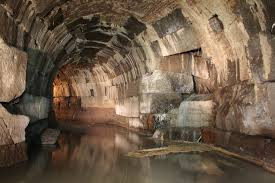
The Cloaca Maxima was an impressive feat of Roman engineering:
Built using large stone blocks and later reinforced with concrete
Designed as a covered underground tunnel system
Connected to smaller drainage channels throughout the city
Emptied into the Tiber River
Unlike many ancient drainage systems, it was durable enough that parts of it are still functional today.
Expansion Under the Roman Republic and Empire
As Rome grew, so did the Cloaca Maxima. During the Republican and Imperial periods, it was expanded and improved to serve a much larger population.
It became essential for:
Removing wastewater from baths and homes
Draining public spaces such as the Forum
Preventing disease by reducing standing water
Supporting dense urban living
Connection to Roman Urban Life
The sewer system was closely tied to the development of Rome’s public spaces, especially the Roman Forum, where political, religious, and economic life took place.
It allowed Rome to maintain:
Large population density
Public baths and latrines
Cleaned and usable public areas
Engineering Significance
The Cloaca Maxima reflects key Roman engineering principles:
Use of arches for structural strength
Durable materials like stone and pozzolanic concrete
Long-term urban planning
Integration of infrastructure with city design
It influenced later Roman infrastructure such as aqueducts, roads, and drainage systems across the empire.
Legacy
The Cloaca Maxima is considered one of the oldest surviving sewage systems in the world. Its success demonstrated the importance of sanitation in urban planning and set standards for future civilizations.
Modern engineering systems still reflect Roman principles of drainage and urban water management.
Conclusion
The Cloaca Maxima was more than a sewer—it was a foundation of Roman urban success. By improving sanitation, controlling water, and supporting city growth, it helped make Rome one of the largest and most advanced cities of the ancient world.