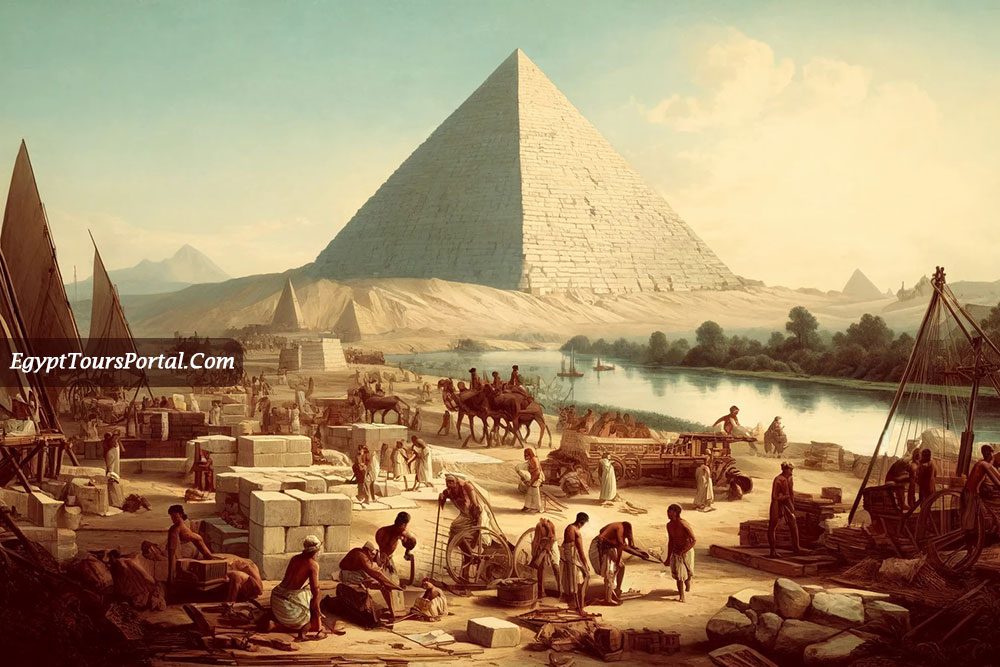
The monumental pyramids of Egypt have fascinated scholars and travelers for centuries. Traditionally, historians believe the most famous pyramids were built during the Old Kingdom around 2600–2500 BCE, particularly during the reign of the pharaoh Khufu.
The most iconic of these structures is the Great Pyramid of Giza, located within the famous pyramid complex of Giza. This colossal monument once stood about 146 meters tall and required millions of stone blocks, each weighing several tons.
Traditional archaeological evidence—including inscriptions, worker villages, and historical records—supports the idea that the pyramid was constructed by large teams of skilled laborers organized by the Egyptian state.
However, some researchers have proposed alternative theories regarding the age of the pyramids. Certain geological studies of erosion patterns on the nearby Great Sphinx of Giza have led some geologists to suggest that parts of the site might be older than previously thought.
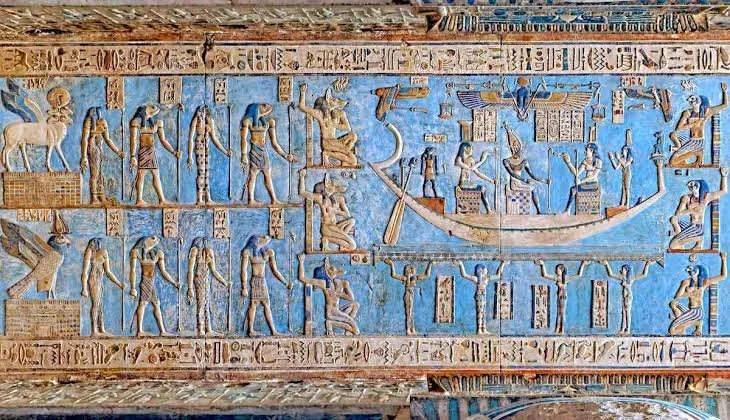
Other hypotheses examine astronomical alignments within the pyramids, suggesting that the structures may encode ancient knowledge about stars or celestial cycles.
While most Egyptologists maintain that the traditional dating is supported by strong archaeological evidence, ongoing research continues to refine our understanding of how these extraordinary monuments were designed and constructed.
Regardless of their exact timeline, the pyramids remain among the most impressive engineering achievements of the ancient world.