History Written—and Rewritten
Throughout ancient history, power was often recorded through male rulers, warriors, and dynasties. Yet in Ancient Egypt, several women rose to the highest position in the land: the role of pharaoh.
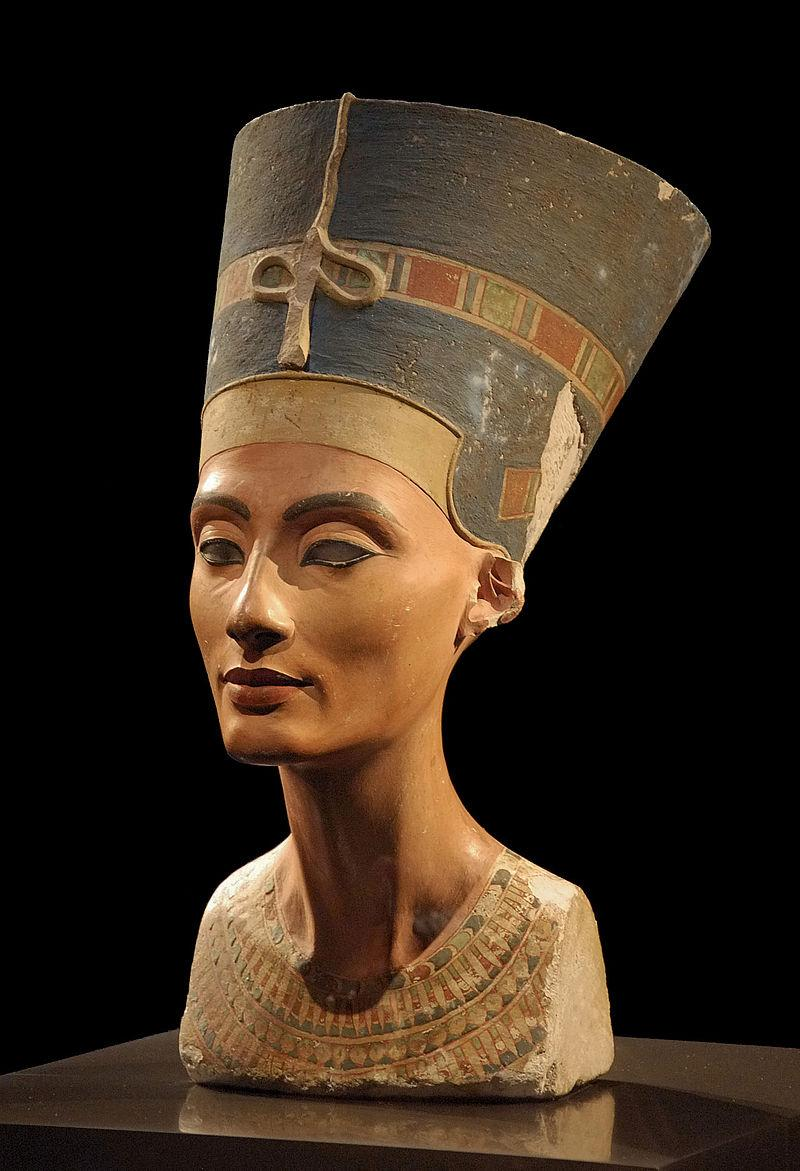
Despite their achievements, many of these women were later erased, minimized, or rewritten out of official records.
Hatshepsut: The Disappearing Pharaoh
One of the most powerful female rulers in history, Hatshepsut ruled Egypt during the 18th Dynasty. She expanded trade networks, commissioned monumental architecture, and maintained stability.
Yet after her death, many of her images were systematically defaced, and her name was removed from inscriptions.
This deliberate erasure raises questions about political memory and legitimacy.
Why Were Women Erased?
Several factors contributed:
Later rulers wanted to strengthen their own legitimacy
Gender norms favored male kingship narratives
Religious and political restructuring of royal lineage
Fear of precedent for female rule
Erasing female pharaohs helped reshape historical narratives.
Other Forgotten Women Rulers
Hatshepsut was not alone. Other women who held significant power include:
Sobekneferu, one of Egypt’s earliest confirmed female pharaohs
Cleopatra VII, the last ruler of the Ptolemaic dynasty
Possible regents and co-rulers whose records are fragmentary
Many more may have existed but left limited archaeological trace.
Archaeology and Rediscovery
Modern archaeology is gradually restoring their place in history through:
Reanalysis of inscriptions
Digital reconstruction of damaged reliefs
Excavation of previously overlooked tombs
Linguistic reinterpretation of royal titles
The Politics of Memory
Ancient records were not neutral. They were often edited by later rulers to reflect political needs. As a result, history becomes a layered narrative shaped by power.
Conclusion: Restoring Forgotten Voices
The rediscovery of female pharaohs challenges long-held assumptions about ancient power structures. It reveals a more complex and inclusive history than traditional narratives suggest.