7,000-Year-Old Archaeological Finds Discovered at Poland’s New Airport Site
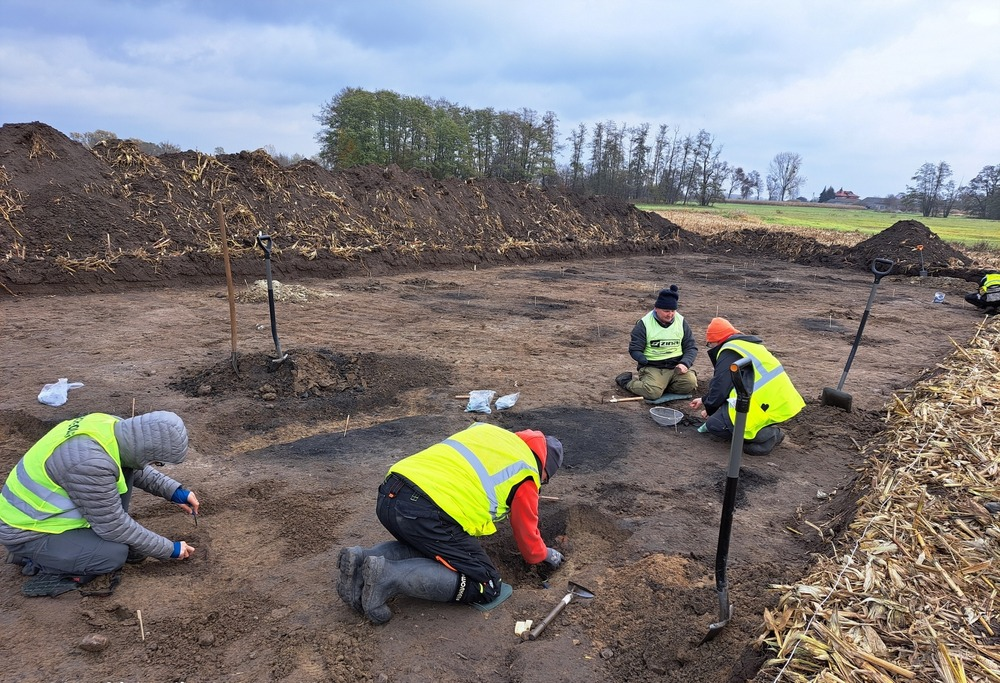
Archaeologists excavating the greenfield site for Poland’s new international airport, located west of Warsaw, have uncovered a wealth of artifacts dating back as far as 7,000 years.
Among the discoveries are flint and stone tools from the Neolithic Age (c. 5200–1900 BC), as well as ceramic vessels, elaborate metal ornaments, weapons, household items, and coins spanning the Bronze Age (c. 2300–700 BC) through the Middle Ages.
The team has also uncovered semi-sunken dwellings, refuse pits, furnaces, and hearths, offering a detailed glimpse into the everyday life of past communities.
The excavation, which began in October 2023, is scheduled to continue until the end of 2026, when large-scale land leveling will commence for the airport.
The new airport will serve as the central hub of Centralny Port Komunikacyjny (CPK), Poland’s ambitious multi-modal transportation overhaul, which includes roads and 2,000 km of high-speed railways.
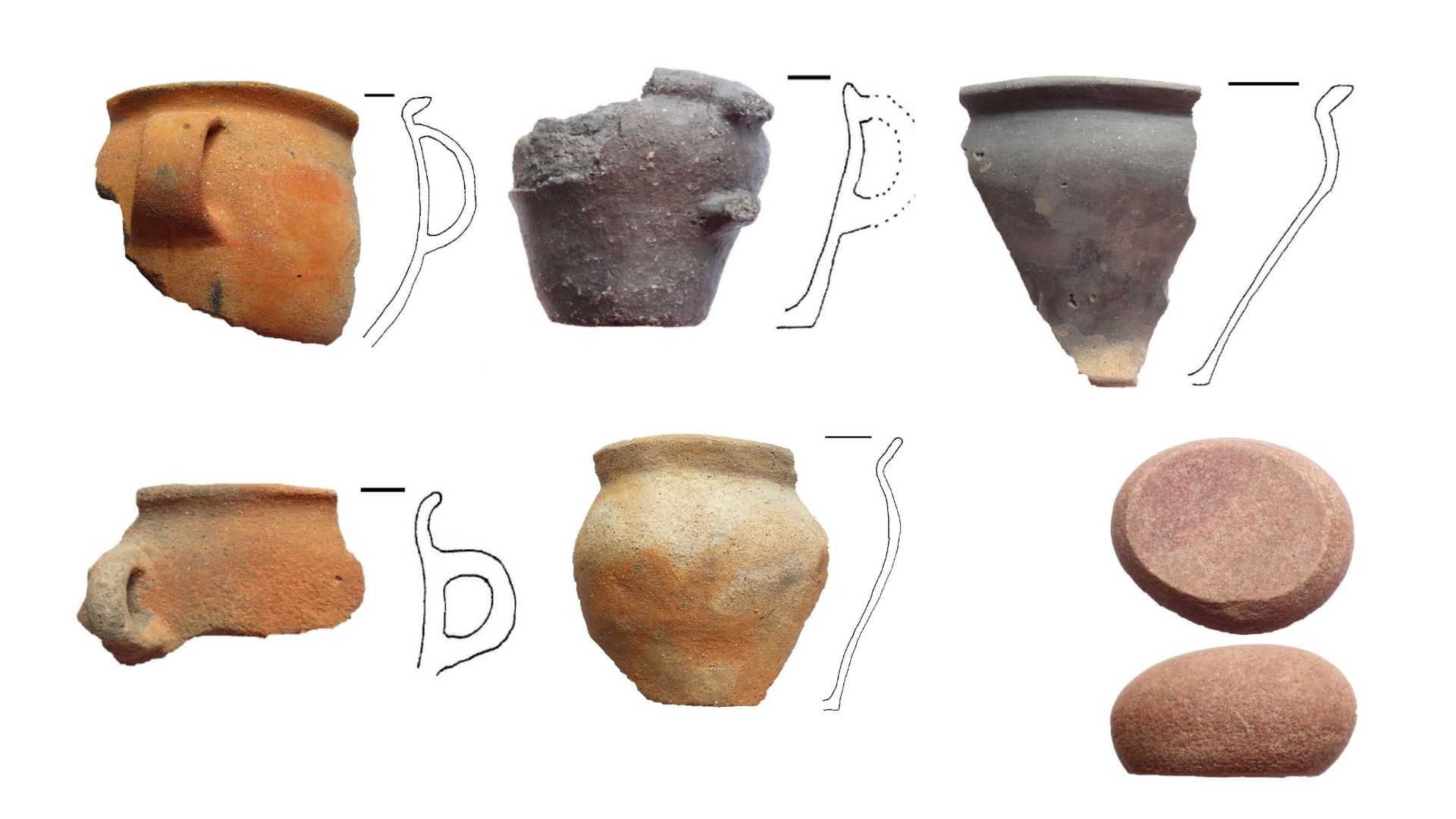
Archeologists found flint and stone artefacts from the Neolithic Age and ceramic vessels, metal ornaments, weapons, household items, and coins from the Bronze Age (c. 2300–700 BC) through to the Middle Ages.
Poland’s New Airport Site Reveals Rich Archaeological Finds
Archaeologists working at the greenfield site for Poland’s new international airport have uncovered flint and stone artifacts from the Neolithic Age, along with ceramic vessels, metal ornaments, weapons, household items, and coins dating from the Bronze Age (c. 2300–700 BC) through to the Middle Ages.
The airport, located approximately 50 km west of Warsaw, is part of a major infrastructure project designed to ensure that all major Polish cities are no more than 2.5 hours away by travel. The facility is scheduled to open in 2032.
“This is an exceptional area in archaeological terms,” said Joanna Gawrońska, Senior Inspector at the Mazovian Provincial Heritage Protection Office in Warsaw. “Research areas are being opened here and often extended due to the large number of finds. This is an important field of scientific study for us.”
Dariusz Kuś, a member of the CPK management board, added: “We make every effort to examine all areas where traces of human activity may still exist before major construction begins. All finds are part of our national heritage.”

Scheduled to open in 2032, the Foster + Partners and Buro Happold-designed airport will anchor the broader CPK project, which aims to overhaul transportation in Poland with the airport, highway upgrades and 2,000km of high-speed rail.
Preserving History at Poland’s New Airport Site
“Looking to the past is not only about recovering fragments of centuries-old pottery, but above all about uncovering fascinating stories and protecting our shared legacy,” said officials involved in the excavation.
The artifacts will undergo a range of interdisciplinary analyses, including dendrochronology, X-ray imaging, radiocarbon (C14) dating, and anthropological research. Conservation treatments will also be applied to preserve the objects.
Following these studies, the finds will be transferred to museums as directed by the Mazovian Provincial Heritage Conservator, ensuring their protection and accessibility for future generations.