• MAIN PAGE
  • LATEST NEWS
    • Lost Cities
    • Archaeology's Greatest Finds
    • Underwater Discoveries
    • Greatest Inventions
    • Studies
    • Blog
  • PHILOSOPHY
  • HISTORY
  • RELIGIONS
    • Africa
    • Anatolia
    • Arabian Peninsula
    • Balkan Region
    • China - East Asia
    • Europe
    • Eurasian Steppe
    • Levant
    • Mesopotamia
    • Oceania - SE Asia
    • Pre-Columbian Civilizations of America
    • Iranian Plateau - Central Asia
    • Indus Valley - South Asia
    • Japan
    • The Archaeologist Editor Group
    • Scientific Studies
    • Aegean Prehistory
    • Historical Period
    • Byzantine Middle Ages
    • Predynastic Period
    • Dynastic Period
    • Greco-Roman Egypt
  • Rome
  • PALEONTOLOGY
  • About us
Menu

The Archaeologist

  • MAIN PAGE
  • LATEST NEWS
  • DISCOVERIES
    • Lost Cities
    • Archaeology's Greatest Finds
    • Underwater Discoveries
    • Greatest Inventions
    • Studies
    • Blog
  • PHILOSOPHY
  • HISTORY
  • RELIGIONS
  • World Civilizations
    • Africa
    • Anatolia
    • Arabian Peninsula
    • Balkan Region
    • China - East Asia
    • Europe
    • Eurasian Steppe
    • Levant
    • Mesopotamia
    • Oceania - SE Asia
    • Pre-Columbian Civilizations of America
    • Iranian Plateau - Central Asia
    • Indus Valley - South Asia
    • Japan
    • The Archaeologist Editor Group
    • Scientific Studies
  • GREECE
    • Aegean Prehistory
    • Historical Period
    • Byzantine Middle Ages
  • Egypt
    • Predynastic Period
    • Dynastic Period
    • Greco-Roman Egypt
  • Rome
  • PALEONTOLOGY
  • About us

Medieval Burials in Neolithic Dolmen Studied

January 17, 2026

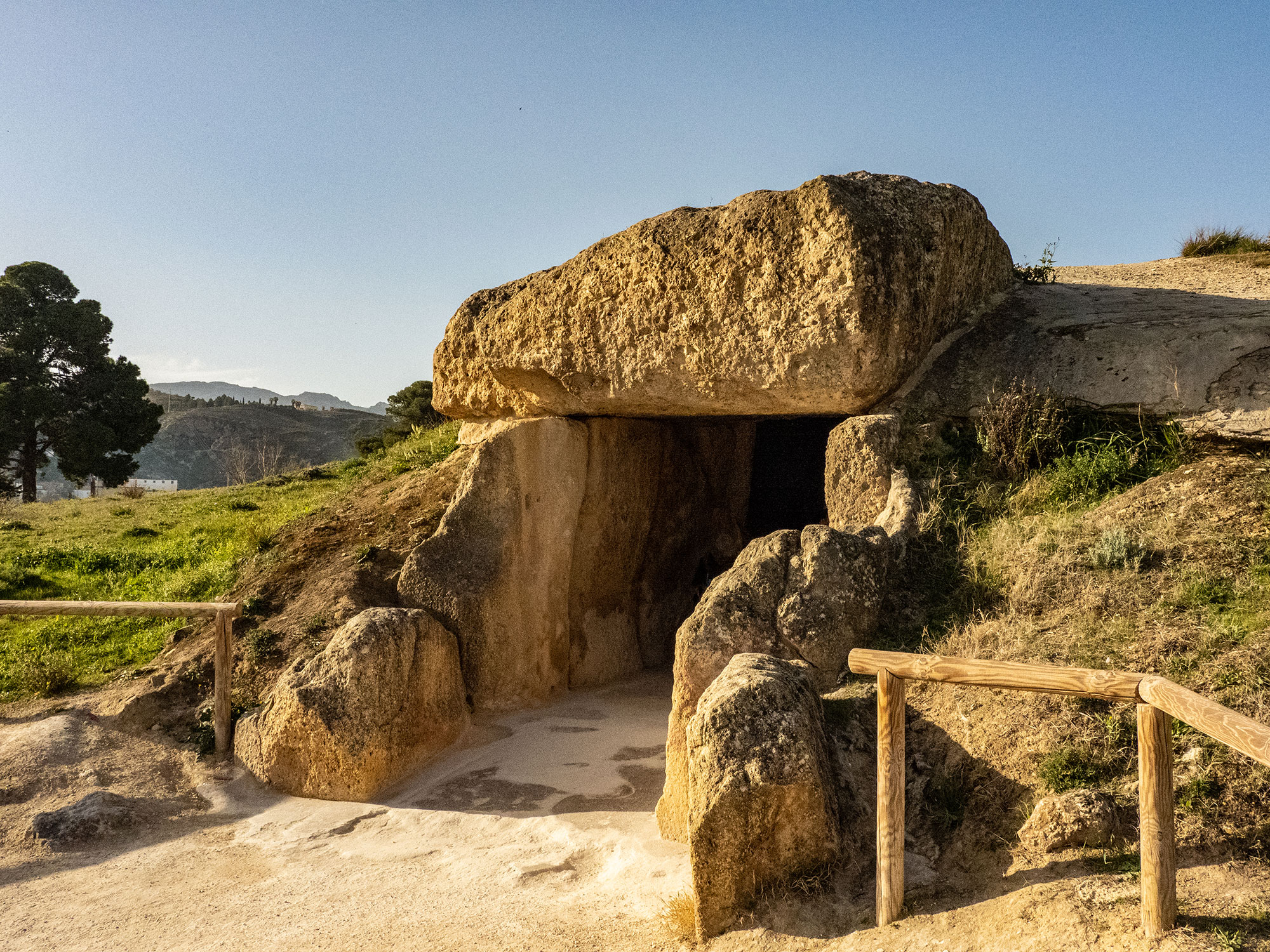
Researchers led by Marina Silva of the University of Huddersfield have examined two medieval burials discovered inside the Menga dolmen, a monumental structure in southern Spain that dates back about 5,000 years, according to a report by Phys.org. The dolmen, which consists of a long chamber and an entrance corridor covered by an earthen mound, was originally used as a burial site during the Neolithic period. Archaeological evidence, including pottery and human remains, suggests that it continued to be reused intermittently over time.

The team focused on two later burials, one from the eighth century and another from the eleventh century A.D. During this period, southern Iberia was under Islamic rule, although Christian, Jewish, and possibly pagan communities also lived in the region. DNA analysis could only be successfully conducted on one of the individuals, revealing mixed European, North African, and Levantine ancestry.

Despite this, both burials showed striking similarities in how the bodies were positioned. In each case, the individual was laid with the head resting on the right side and oriented toward the southwest, following the symmetrical axis of the dolmen. While the medieval burials may have been Islamic, this alignment differs from that typically seen in Islamic cemeteries in the area.

The researchers concluded that regardless of the individuals’ identities or religious beliefs, the decision to bury them within a prominent megalithic monument—and to align their graves with its axis—demonstrates the enduring symbolic importance of the Menga dolmen. This continuity suggests the site retained cultural and ritual significance for more than 5,000 years, extending well beyond its original Neolithic use.

← Iron Age teeth fossils reveal diversity of diet of ancient ItaliansWreckage of Large Medieval Trading Ship Discovered →
Featured
image_2026-01-17_204356244.png
Jan 17, 2026
Archaeologists find a supersized medieval shipwreck in Denmark
Jan 17, 2026
Read More →
Jan 17, 2026
image_2026-01-17_203016176.png
Jan 17, 2026
Free Access to Greece’s Archaeological Treasures This Sunday
Jan 17, 2026
Read More →
Jan 17, 2026
image_2026-01-17_202652467.png
Jan 17, 2026
Ancient temple rich with gold and ritual altars unearthed on Evia island
Jan 17, 2026
Read More →
Jan 17, 2026
image_2026-01-17_194536616.png
Jan 17, 2026
Signs of neolithic trading and medieval monastery among National Trust’s top discoveries of 2025
Jan 17, 2026
Read More →
Jan 17, 2026
image_2026-01-17_194400111.png
Jan 17, 2026
Meet £200m road team and view ancient artefacts
Jan 17, 2026
Read More →
Jan 17, 2026
image_2026-01-17_193815498.png
Jan 17, 2026
Iron Age teeth fossils reveal diversity of diet of ancient Italians
Jan 17, 2026
Read More →
Jan 17, 2026
read more

Powered by The archaeologist