Introduction
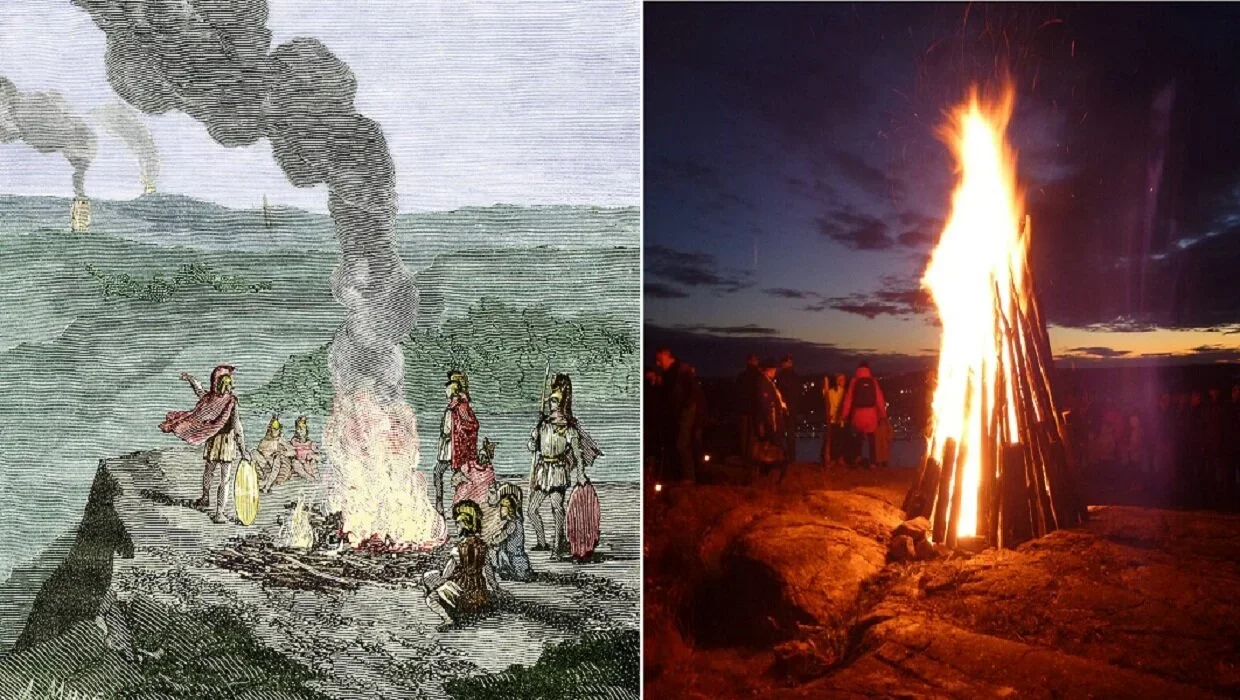
Hearths are among the most informative features found at archaeological sites. They provide evidence of cooking, heating, food preparation, and other activities that took place around domestic or temporary living spaces. Their contents may include charcoal, ash, burned bones, seeds, shells, and fragments of other materials.
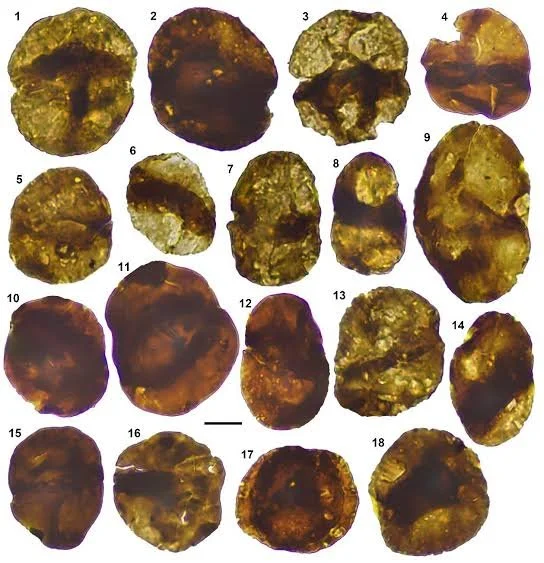
Beyond these visible remains, hearth deposits can preserve microscopic biological evidence. Microfossils, including pollen, phytoliths, starch grains, and other microscopic remains, may provide information about plants and food materials that were processed or consumed by ancient communities.
The study of hearth microfossils is particularly valuable when investigating populations living in environmental or economic margins, where food sources may have been diverse and archaeological remains limited. These tiny traces can help reconstruct diets that are not fully represented by large bones, seeds, or pottery.
Understanding Microfossils
Microfossils are microscopic remains of biological organisms or structures. In archaeological research, the term includes several kinds of evidence that can survive in sediments, tools, pottery, and hearth deposits.
Important examples include phytoliths, starch grains, pollen, and microscopic animal remains.
Phytoliths are microscopic silica structures formed within plant tissues. They can survive after the rest of the plant has decomposed or burned.
Starch grains are microscopic carbohydrate particles produced by many plants. Their shapes and surface characteristics may help identify particular plant groups.
Pollen grains can provide information about vegetation and environmental conditions. They may also enter archaeological deposits through food preparation or the movement of plant materials.
Each type of microfossil has different preservation characteristics and interpretive limitations.
Why Hearths Preserve Dietary Evidence
Hearths concentrate materials associated with repeated domestic activity. When plants, animals, and other resources are processed near a fire, small fragments may become incorporated into ash and surrounding sediments.
Some plant materials may become charred during cooking. Others may be deposited accidentally through fuel, food preparation, or cleaning activities.
Heat can destroy many biological structures, but it can also preserve certain remains by carbonizing them or reducing biological decay.
The distribution of microscopic remains within a hearth can provide clues about where different activities occurred.
For example, deposits near a cooking surface may contain different materials from those found in surrounding ash layers.
Plant Microfossils and Ancient Diets
Plant foods were essential components of many ancient diets, but they are often underrepresented in archaeological deposits.
Grains, roots, tubers, fruits, leaves, and seeds do not all preserve equally well. Some decay rapidly, while others survive only under particular environmental conditions.
Starch grains can sometimes be recovered from grinding stones, pottery, and sediment samples. Their presence may indicate that starchy plants were processed at a particular location.
Phytoliths may reveal the presence of grasses and other plant groups, including materials that were used for food, fuel, bedding, or construction.
Researchers must distinguish between plants that were eaten and those introduced for other purposes. A phytolith in a hearth may have come from cooking fuel rather than food.
Animal Remains and Microfaunal Evidence
Hearth deposits may also preserve microscopic animal remains.
These can include fish scales, tiny bones, shell fragments, and other biological particles.
Such remains can help identify food resources that might be overlooked when archaeologists examine only large animal bones.
Small fish and aquatic organisms may have been important sources of nutrition, particularly for communities living near rivers, lakes, wetlands, or coastlines.
Microfaunal evidence can also reveal the processing of small animals, although it must be interpreted carefully because some remains may have entered the deposit through natural processes.
Dietary Reconstruction in Marginal Environments
The term "marginal" can refer to environments where agricultural production is limited or where communities rely on diverse and flexible subsistence strategies.
These settings may include high-altitude regions, dry landscapes, rocky coastlines, forests, and areas with short growing seasons.
People living in such environments often combined multiple food sources. They might cultivate crops, gather wild plants, hunt animals, fish, and collect shellfish.
Microfossil analysis can help identify this diversity.
For example, plant residues may reveal the use of wild resources that are not represented in nearby agricultural deposits. Microscopic fish remains may indicate aquatic food consumption even when larger bones are absent.
Laboratory Techniques
Microfossil research begins with careful sampling. Archaeologists collect sediment from hearth layers and compare it with samples from surrounding areas.
This comparison helps determine whether a particular biological material is genuinely associated with human activity or simply part of the natural environment.
Microscopy is used to examine the size, shape, and surface characteristics of recovered particles.
Starch analysis can identify features that may be compared with modern reference collections. Phytolith analysis relies on differences in silica structures, while pollen analysis examines grain morphology.
Researchers may also use chemical treatments to separate microfossils from sediment, although these procedures must be selected carefully to avoid damaging delicate remains.
Contamination and Interpretive Problems
Microfossils can move through sediment because of water, insects, roots, animals, and human disturbance.
A hearth that appears undisturbed may contain microscopic material introduced long after its original use.
Modern contamination can also occur during excavation, storage, and laboratory processing.
Researchers therefore use control samples and compare several deposits from the same site.
The presence of a microfossil should not automatically be interpreted as evidence of consumption. It may represent fuel, construction material, animal bedding, or environmental vegetation.
The strongest dietary interpretations combine microfossils with visible food remains, tool evidence, residues, and the wider archaeological context.
Combining Microfossils with Other Dietary Evidence
Microfossil analysis becomes more useful when combined with other methods.
Animal bones can reveal which species were butchered and consumed. Carbonized seeds may identify cultivated and gathered plants. Residue analysis of pottery can provide evidence of substances prepared in vessels.
Stable isotope analysis of human and animal remains can contribute information about broad dietary patterns, although it generally does not identify every specific food consumed.
Together, these methods can provide a more complete picture of ancient food systems than any single source of evidence.
Social and Cultural Dimensions of Food
Diet is not only a biological necessity. Food choices are influenced by cultural traditions, economic status, religious practices, and social relationships.
Different households may have used different food resources depending on their access to land, livestock, markets, or wild environments.
Hearth deposits can sometimes reveal these differences. Separate cooking areas or distinct patterns of plant and animal remains may indicate variation in food preparation.
However, interpreting social identity from microscopic remains alone is difficult. Archaeologists must consider household organization, settlement patterns, and other forms of evidence.
Conclusion
Microfossils from hearths offer valuable opportunities to reconstruct ancient diets, especially in environments where conventional food remains are poorly preserved or incomplete. Phytoliths, starch grains, pollen, and microscopic animal remains can reveal the use of plants and small animals that might otherwise remain invisible in the archaeological record. However, their presence does not automatically prove consumption, because fuel, construction materials, environmental processes, and later contamination can introduce similar evidence. By combining microfossil analysis with excavation context, residue studies, animal remains, and other scientific methods, researchers can develop a more detailed understanding of how ancient communities obtained, prepared, and consumed food.