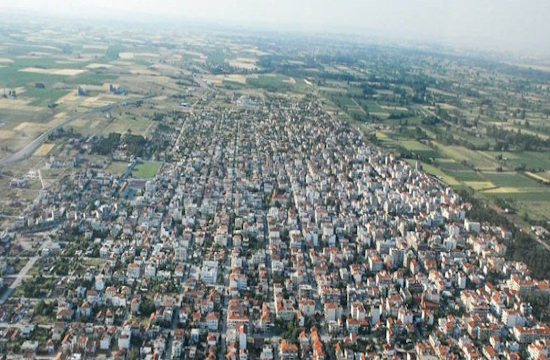
The Municipality of Orestiada is developing an integrated tourism strategy aimed at transforming the area into a multi-themed destination that will boost the local economy, improve residents’ quality of life, and make full use of the region’s distinctive geographical and cultural assets. Northern Evros, with its varied natural landscapes and deep historical background, is considered ideal for multiple forms of tourism that complement one another and support year-round visitation.
Cultural tourism stands at the center of this plan. The region is home to one of Thrace’s most important archaeological sites, the Doxipara–Zoni Burial Mound, where visitors can see rare discoveries such as chariots and horses. The experience is enriched by traditional villages showcasing Thracian architecture, along with notable museums including the Historical and Folklore Museum of Nea Orestiada and the Karratheodori Museum. The tourism offering is further strengthened by thematic exhibitions such as the Interactive Science and Technology Exhibition “Eugene Eugenides,” the Archaeological Educational Cave Exhibition, and the Petrified Stone Museum of Petros, as well as cultural events and festivals that preserve and promote local traditions.
Religious tourism is another key pillar, with historically significant monasteries and churches, including the Monastery of Agia Skepi and Agia Paraskevi in Nea Vyssa, providing opportunities for pilgrimage and spiritual visits.
The Municipality is also steadily promoting ecotourism and agrotourism by utilizing agricultural land and the natural environment. Visitors can tour farms cultivating products such as corn, sunflower, regional garlic, and Thracian fruits, while taking part in agricultural activities and tastings. Agrotourism evenings in the lavender fields of “Aroma Evros,” located between Valto and Fylakio, have gained popularity by offering relaxation, wellness, and nature-based experiences. Soft recreational activities are further supported through ecotourism routes along the Arda River.
Conference and educational tourism is being developed through cooperation with the Democritus University of Thrace. This partnership supports the organization of conferences, seminars, summer schools, and programs focused on biodiversity, agriculture, and the long history of Thrace. The involvement of the academic community adds value and attracts specialized visitors.
Sports tourism has also expanded, making use of the Arda River for activities such as canoeing, kayaking, swimming, and beach volleyball. These activities, together with the well-known Arda Festival that combines music, culture, and sports, appeal to younger audiences and encourage outward-facing tourism. Cycling paths and hiking trails in areas such as the Triangle, Petros Quarry, Korakopetra, and the surrounding mountainous landscape further enhance the range of outdoor activities.
Cross-border tourism represents another growing sector, supported by the region’s close proximity to Bulgaria and Turkey. Opportunities exist for joint routes, shared tourism packages, and cultural exchanges that increase visitor numbers and promote cooperation in border regions.
The Municipality’s objective is to position Orestiada as an alternative destination for sustainable tourism that respects the environment, the local population, and cultural heritage. According to municipal officials, this strategy will highlight natural and cultural resources, increase annual visitor numbers, create experience-based tourism centered on culture, ecotourism, and agrotourism, and strengthen the local economy through job creation and improved living standards. At the same time, deeper connections with neighboring regions are expected to lay the groundwork for stronger cross-border collaboration in the future.