Gateways of Exchange
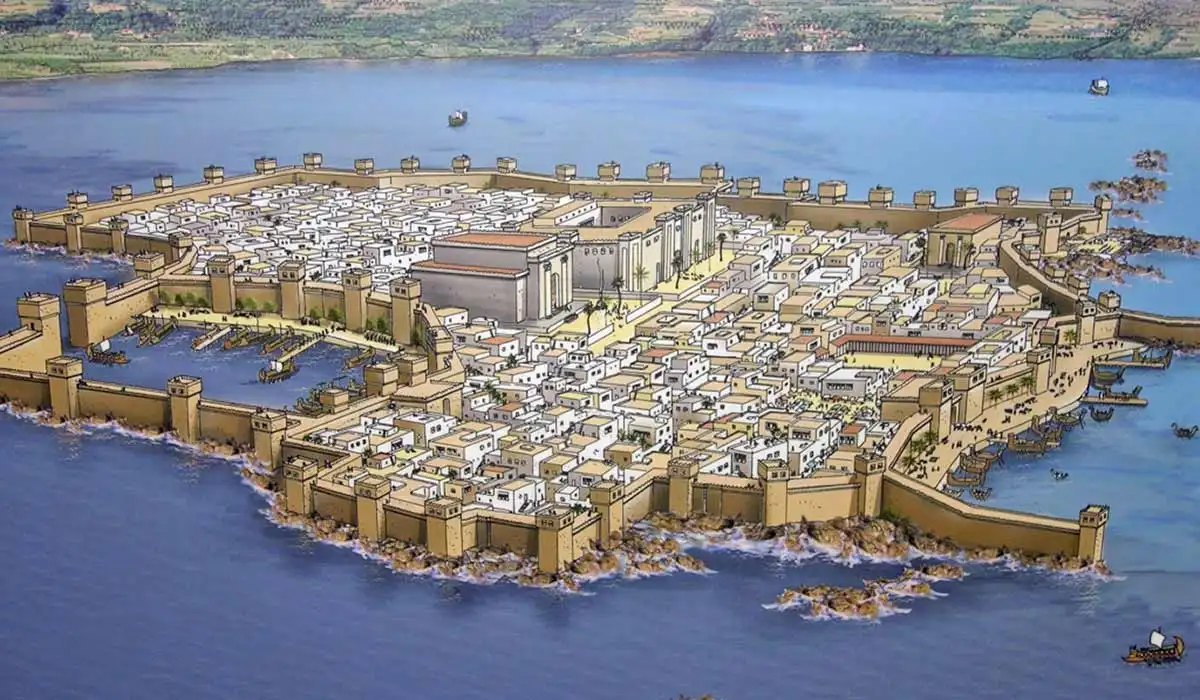
Long before modern shipping and global trade, ancient ports served as vital hubs of exchange.
Located along coastlines and rivers, these ports connected distant regions and allowed goods, ideas, and cultures to move across vast distances.
Early Maritime Hubs
Some of the earliest trading ports developed in areas such as the Mediterranean and the Persian Gulf.
These locations provided access to major trade routes and natural harbors, making them ideal centers for maritime activity.
Goods and Trade
A wide variety of goods passed through these ports.
Spices, metals, textiles, pottery, and luxury items were exchanged between traders. Each region contributed its own resources, creating a network of interdependence.
Cultural Exchange
Ports were not just centers of trade—they were places where cultures met.
Languages, beliefs, technologies, and artistic styles spread through these interactions. This exchange enriched societies and encouraged innovation.
Economic Importance
Trade brought wealth and growth.
Cities with successful ports often became powerful and influential, controlling access to resources and trade routes.
Foundations of Global Trade
These early ports laid the groundwork for the global trade systems we see today.
They demonstrate how interconnected ancient societies were, even across great distances.