• MAIN PAGE
  • LATEST NEWS
    • Lost Cities
    • Archaeology's Greatest Finds
    • Underwater Discoveries
    • Greatest Inventions
    • Studies
    • Blog
  • PHILOSOPHY
  • HISTORY
  • RELIGIONS
    • Africa
    • Anatolia
    • Arabian Peninsula
    • Balkan Region
    • China - East Asia
    • Europe
    • Eurasian Steppe
    • Levant
    • Mesopotamia
    • Oceania - SE Asia
    • Pre-Columbian Civilizations of America
    • Iranian Plateau - Central Asia
    • Indus Valley - South Asia
    • Japan
    • The Archaeologist Editor Group
    • Scientific Studies
    • Aegean Prehistory
    • Historical Period
    • Byzantine Middle Ages
    • Predynastic Period
    • Dynastic Period
    • Greco-Roman Egypt
  • Rome
  • PALEONTOLOGY
  • About us
Menu

The Archaeologist

  • MAIN PAGE
  • LATEST NEWS
  • DISCOVERIES
    • Lost Cities
    • Archaeology's Greatest Finds
    • Underwater Discoveries
    • Greatest Inventions
    • Studies
    • Blog
  • PHILOSOPHY
  • HISTORY
  • RELIGIONS
  • World Civilizations
    • Africa
    • Anatolia
    • Arabian Peninsula
    • Balkan Region
    • China - East Asia
    • Europe
    • Eurasian Steppe
    • Levant
    • Mesopotamia
    • Oceania - SE Asia
    • Pre-Columbian Civilizations of America
    • Iranian Plateau - Central Asia
    • Indus Valley - South Asia
    • Japan
    • The Archaeologist Editor Group
    • Scientific Studies
  • GREECE
    • Aegean Prehistory
    • Historical Period
    • Byzantine Middle Ages
  • Egypt
    • Predynastic Period
    • Dynastic Period
    • Greco-Roman Egypt
  • Rome
  • PALEONTOLOGY
  • About us

Stone Statues That Guarded Ancient Kingdoms

March 24, 2026

Silent Protectors

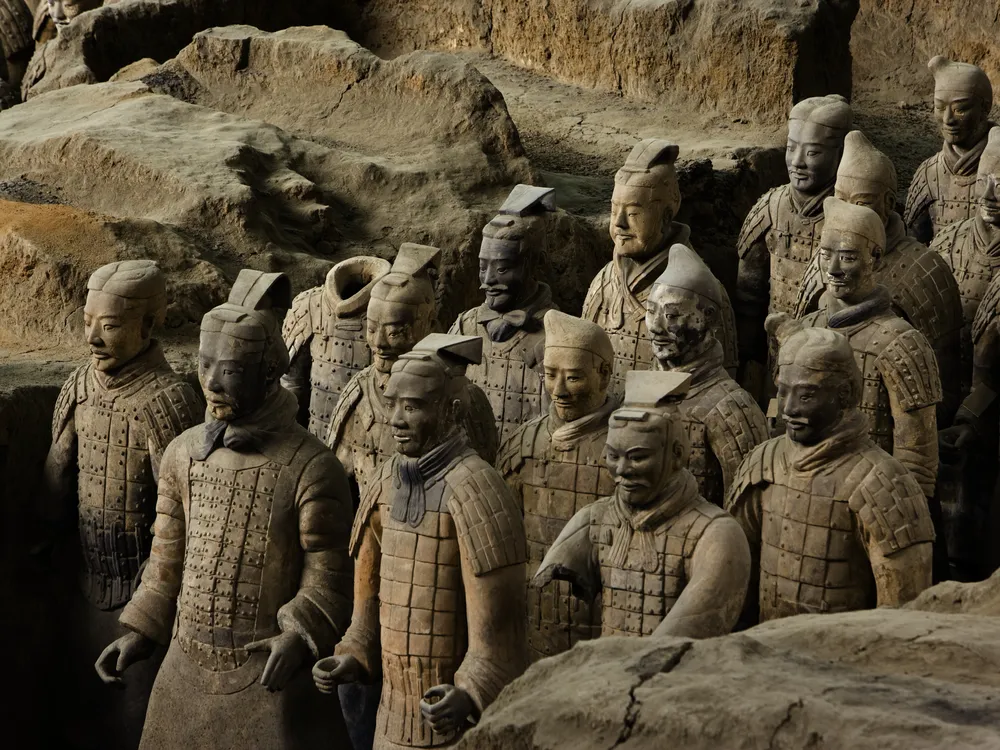
In the ancient world, large stone statues often stood at the entrances of cities, temples, and palaces. These towering figures were not simply decorative—they were believed to serve as guardians, protecting important spaces from both physical and spiritual threats.

Their presence conveyed strength, authority, and a sense of watchfulness, as if the statues themselves were standing guard over the people and places they represented.

Purpose and Placement

The placement of these statues was carefully chosen.

They were often positioned at gateways, along processional paths, or at the entrances of sacred buildings. These locations ensured that anyone entering the space would encounter the statues first.

This positioning served both practical and symbolic purposes. It marked the boundary between the ordinary world and a protected or sacred area, reinforcing the importance of what lay beyond.

Symbolic Power

Stone statues often represented gods, animals, or mythical beings.

Lions, for example, symbolized strength and courage, while human-like figures might represent rulers or deities. Some statues combined human and animal features, creating powerful hybrid forms that emphasized supernatural protection.

These figures were believed to ward off evil, protect against harm, and maintain balance within the space they guarded.

Artistic Achievement

Creating large stone statues required significant skill, labor, and resources.

Artisans had to quarry, transport, and carve massive blocks of stone with precision. The level of detail achieved—especially in facial expressions, clothing, and decorative elements—demonstrates remarkable craftsmanship.

These statues were not only protective symbols but also works of art that reflected the cultural and aesthetic values of their societies.

Political and Cultural Meaning

In addition to their spiritual role, these statues often carried political meaning.

They reinforced the power of rulers, symbolizing authority and control. A grand statue at the entrance of a city or palace could send a clear message about the strength and stability of the kingdom.

Enduring Presence

Many of these statues still stand today, weathered but powerful.

Even in ruins, they continue to inspire awe and curiosity. Their silent presence connects us to the past, reminding us of the beliefs and values that shaped ancient civilizations.
← Myths of the Sky-Serpents and Celestial DragonsAncient Pottery That Reveals Lost Cultures →
Featured
image_2026-03-23_222143769.png
Mar 24, 2026
The First City-States and Their Rise to Power
Mar 24, 2026
Read More →
Mar 24, 2026
image_2026-03-23_222108921.png
Mar 24, 2026
Ancient Animal Cults and Their Mysterious Practices
Mar 24, 2026
Read More →
Mar 24, 2026
image_2026-03-23_222029371.png
Mar 24, 2026
The First Glassmakers of the Ancient World
Mar 24, 2026
Read More →
Mar 24, 2026
image_2026-03-23_221823738.png
Mar 24, 2026
Forgotten Ancient Festivals Celebrating the Stars
Mar 24, 2026
Read More →
Mar 24, 2026
image_2026-03-23_221750173.png
Mar 24, 2026
Myths of the Sky-Serpents and Celestial Dragons
Mar 24, 2026
Read More →
Mar 24, 2026
image_2026-03-23_221713928.png
Mar 24, 2026
Stone Statues That Guarded Ancient Kingdoms
Mar 24, 2026
Read More →
Mar 24, 2026
read more

Powered by The archaeologist