Neanderthal Bone Tools in France Reveal Unexpected Technological Skill
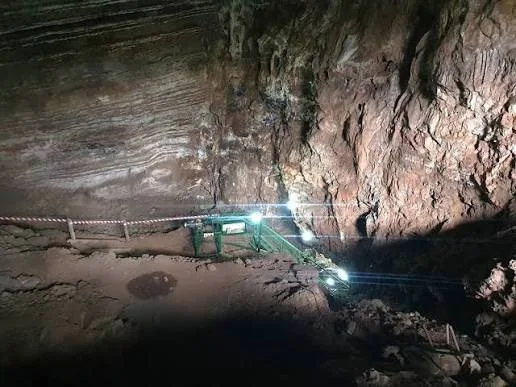
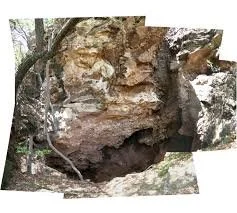
New archaeological findings from the rock shelter known as Abri Suard are reshaping long-held assumptions about Neanderthals and their cognitive abilities. The discovery of more than 60 bone-made tools suggests that these ancient humans were far more innovative and adaptable than previously believed.
For a long time, it was assumed that only early modern humans (Homo sapiens) were capable of producing advanced tools from animal bone. However, this new evidence adds to a growing body of research showing that Neanderthals also developed complex bone technology.
A Rich Toolkit from a Single Site
At Abri Suard, archaeologists identified at least:
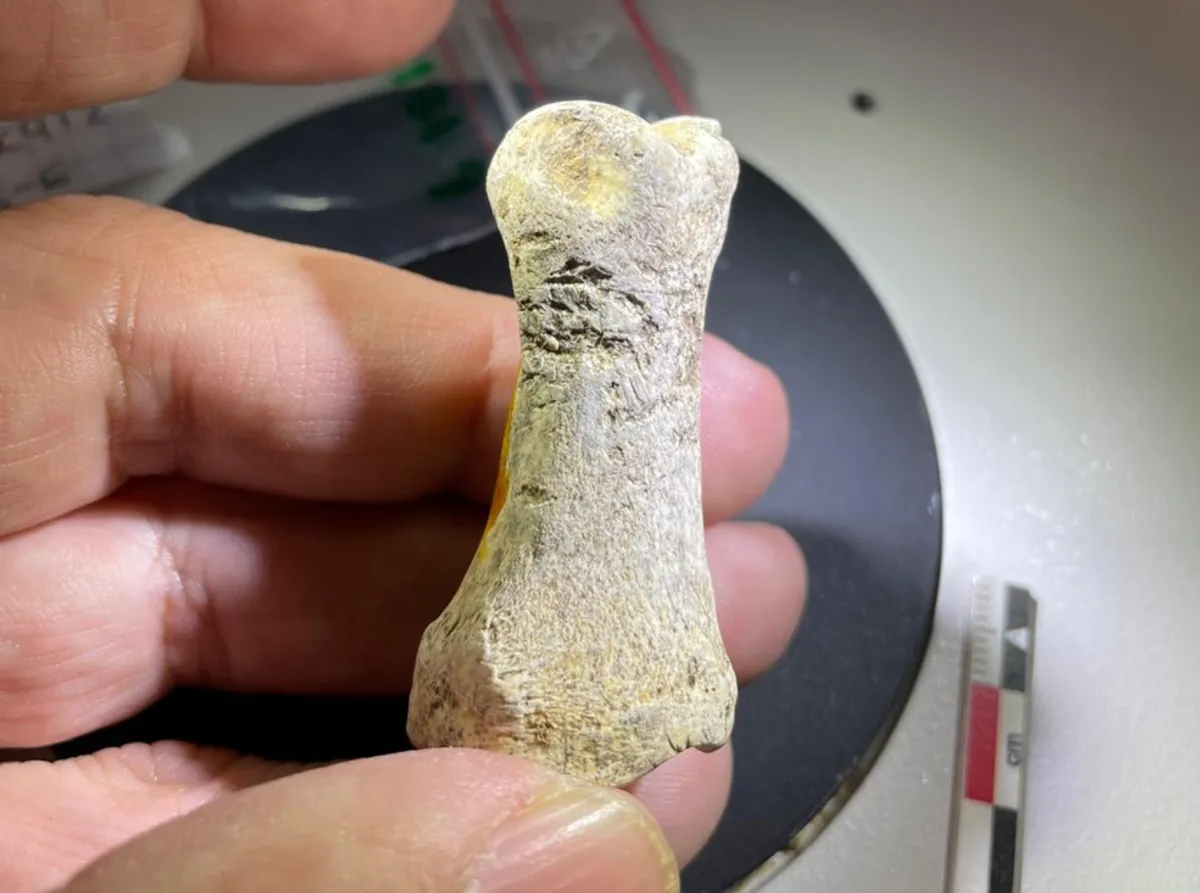
62 bone “retouchers”
3 bone “soft hammers”
These tools were used in the production and refinement of stone implements, showing a sophisticated understanding of toolmaking techniques.
Rather than relying only on stone, Neanderthals combined different materials to improve efficiency and precision.
How the Bone Tools Were Used
The two main tool types served distinct but essential functions:
Retouchers
Used to refine and sharpen stone tool edges
Helped maintain and repair cutting implements
Allowed greater control during flint shaping
Soft hammers
Used to strike flint cores gently
Helped detach controlled stone flakes
Produced more precise and usable stone blades
Together, these tools were crucial in producing high-quality lithic (stone) tools.
A Surprising Variety of Materials
Most tools at Abri Suard were made from the long bones of:
Horses
Reindeer
But some discoveries stand out as especially unusual:
Soft hammers made from rhinoceros bone—extremely rare in European prehistoric contexts
A retoucher made from a horse molar, possibly one of the earliest known examples of its kind
This variety suggests Neanderthals were not limited by strict rules in material selection.
What This Means About Neanderthals
The use of such diverse materials indicates that Neanderthals were:
Highly adaptable in different environments
Skilled at selecting available resources
Capable of flexible thinking in tool production
Innovative in solving practical problems
The presence of rhino bone tools, in particular, suggests opportunistic use of whatever resources were available, rather than rigid toolmaking traditions.
A Growing Pattern Across Europe
The discoveries at Abri Suard are not isolated. Similar bone tool assemblages have been found at other Neanderthal sites across Europe, including examples where bone was shaped into specialized cutting or retouching instruments.
This broader pattern is changing how researchers view Neanderthal intelligence, suggesting they possessed more advanced technological behaviors than once assumed.
Rethinking “Primitive” Humans
These findings continue to blur the line between Neanderthals and early modern humans (Homo sapiens). Rather than being limited or less capable, Neanderthals appear increasingly capable of:
Complex planning
Material innovation
Multi-step tool production
Environmental adaptation
A More Human Picture of Neanderthals
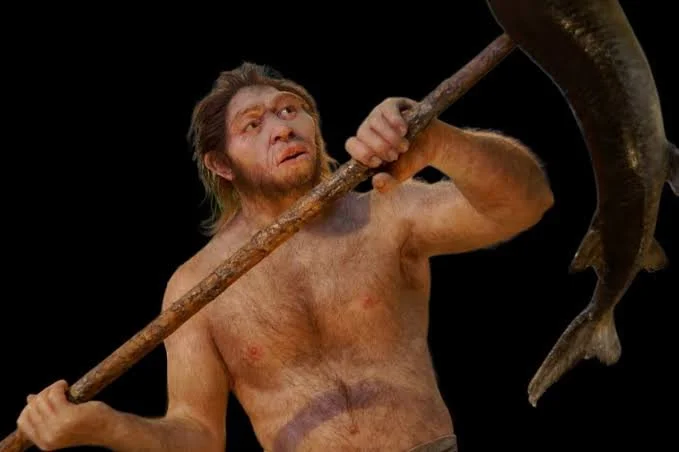
The discoveries at Abri Suard contribute to a growing scientific consensus: Neanderthals were not primitive predecessors, but highly capable humans who developed sophisticated technologies suited to their environment.
As more evidence emerges, the gap between Neanderthals and modern humans continues to shrink—replacing old stereotypes with a far more nuanced and human picture of our ancient relatives.