Hidden Coins Beneath a Hearth Reveal a Glencoe Massacre Connection
A remarkable archaeological discovery in Scotland has uncovered a hidden hoard of 17th-century coins linked to the turbulent history of the Highlands, including possible ties to the aftermath of the infamous Massacre of Glencoe.
The coins were found concealed inside a pot buried beneath a fireplace at a ruined house once associated with Clan MacDonald leadership in Glencoe.
A Secret Cache Hidden in the Hearth
The discovery was made during an excavation led by researchers from the University of Glasgow, with student archaeologist Lucy Ankers uncovering the find in August 2023.
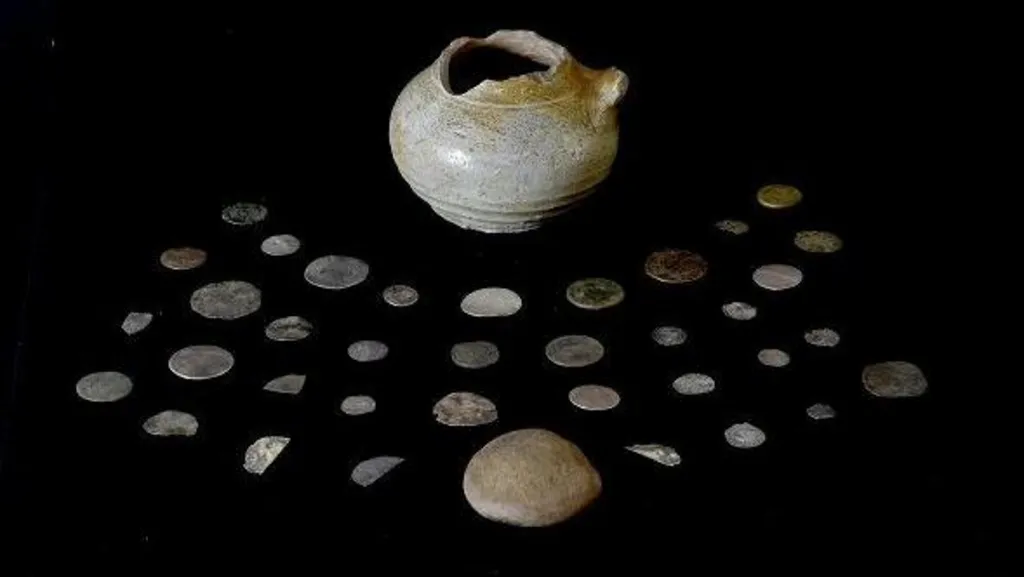
Inside the ruined structure, archaeologists found:
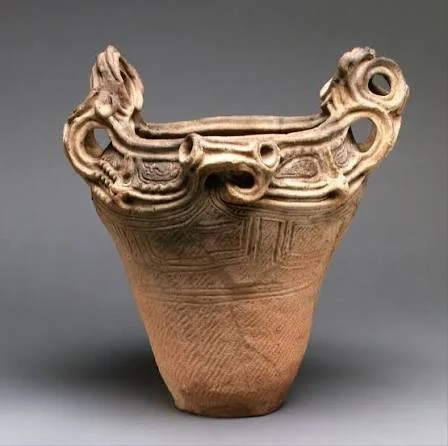
A ceramic pot hidden beneath a hearth slab
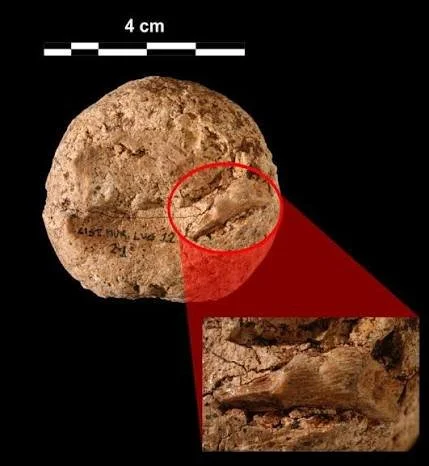
A small rounded pebble used as a lid
36 coins carefully placed inside
The concealment beneath the fireplace suggests the hoard was deliberately hidden, likely during a period of sudden danger or uncertainty.
A Clan Leader’s Abandoned Home
The property has been linked to Alasdair Ruadh “MacIain” MacDonald of Glencoe, a prominent clan chief whose family was directly affected by the violent events of 1692.
He and many of his kin were among the victims of the Massacre of Glencoe, when government troops killed members of Clan MacDonald after political tensions following the Jacobite uprisings.
The massacre occurred during a time of deep political instability, when Highland clans were pressured to swear allegiance to the new monarch following the Glorious Revolution.
Why the Coins Were Hidden
Historians believe the coins may have been hidden for several possible reasons:
Protection of wealth during political unrest
Emergency concealment during the arrival of soldiers
Safekeeping by clan members anticipating violence
The placement beneath the hearth—one of the most symbolic and protected parts of a Highland home—suggests urgency and secrecy.
A Window Into Clan Life and Violence
The MacDonalds of Glencoe were targeted due to their delayed oath of allegiance to William III, following their earlier support for the Jacobite cause and the exiled Stuart monarchy.
The discovery of the coins adds a tangible human dimension to this history, offering rare physical evidence of how ordinary households may have responded to political fear and instability.
From Excavation to Museum Display
The hoard was officially recovered through Scotland’s Treasure Trove system and is now set to be displayed at Glencoe Folk Museum, which is undergoing redevelopment.
Curators hope the exhibit will help visitors better understand both daily life in the Highlands and the devastating impact of the 1692 tragedy.
Why This Discovery Matters
Beyond its monetary value, the hoard is significant because it:
Links directly to one of Scotland’s most infamous historical events
Provides insight into survival strategies during conflict
Connects archaeological evidence with documented clan history
Preserves a personal story of fear, loss, and concealment
A Small Pot With a Large Story
What began as a routine excavation has revealed a deeply human moment frozen in time—coins hidden beneath a hearth, likely placed there in desperation during one of the most tragic episodes in Scottish history.
The discovery at Glencoe continues to bridge archaeology and memory, shedding new light on the lived experience behind the Massacre of Glencoe.