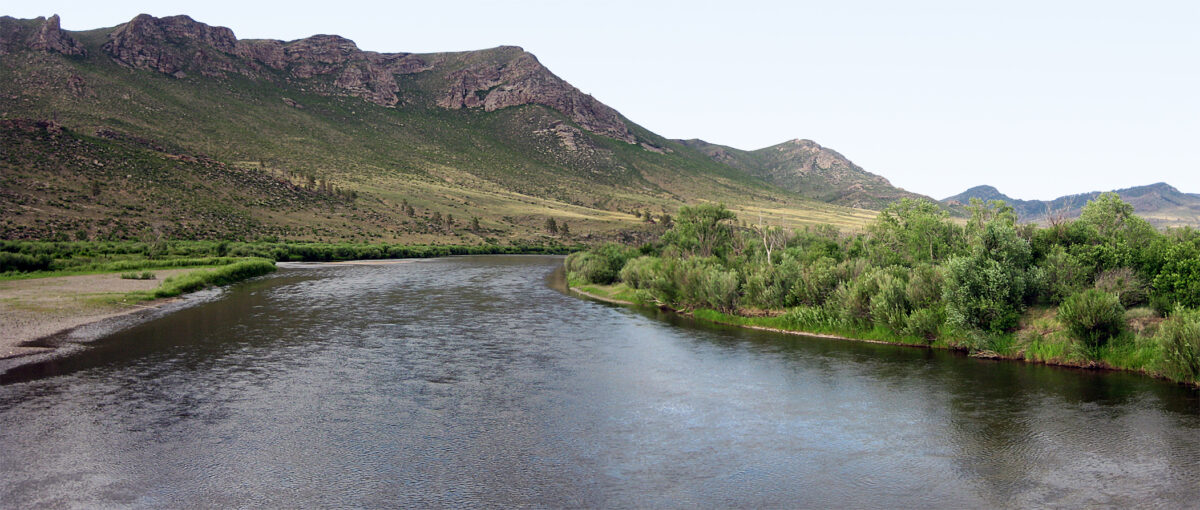
For centuries, historians, archaeologists, and explorers have searched for one of the most elusive burial sites in world history—the tomb of Genghis Khan, the legendary founder of the Mongol Empire. Despite his enormous influence on global history and the vast territories he conquered, the final resting place of the powerful ruler remains unknown.
Recent archaeological discoveries in Central Asia, however, may be bringing researchers closer than ever to solving this long-standing mystery. New evidence uncovered in Ulytau Region suggests scientists may have identified an important genetic and historical connection linked to the ruler’s family—potentially offering fresh clues about where the conqueror himself may have been buried.
Archaeological Discoveries in Central Asia
The key development comes from archaeological work in Kazakhstan, particularly in the historically significant Ulytau Region. This area is closely tied to Jochi, the eldest son of Genghis Khan and the first ruler of the Golden Horde, a powerful Mongol state that once controlled vast parts of Eurasia.
Medieval chronicles written by the Turkic historian Jamal al‑Karshi recount how Jochi died during a hunting expedition in the mountains of Ulytau. According to the account, he was chasing deer when he fell from his horse, broke his neck, and died. Local tradition claims that he was secretly buried in the region following the burial customs reserved for members of the Mongol elite.
For many years, historians considered the story more legend than fact. However, a joint archaeological expedition involving researchers from several countries decided to investigate whether the historical account might contain genuine evidence.
DNA Evidence Linked to Mongol Lineages
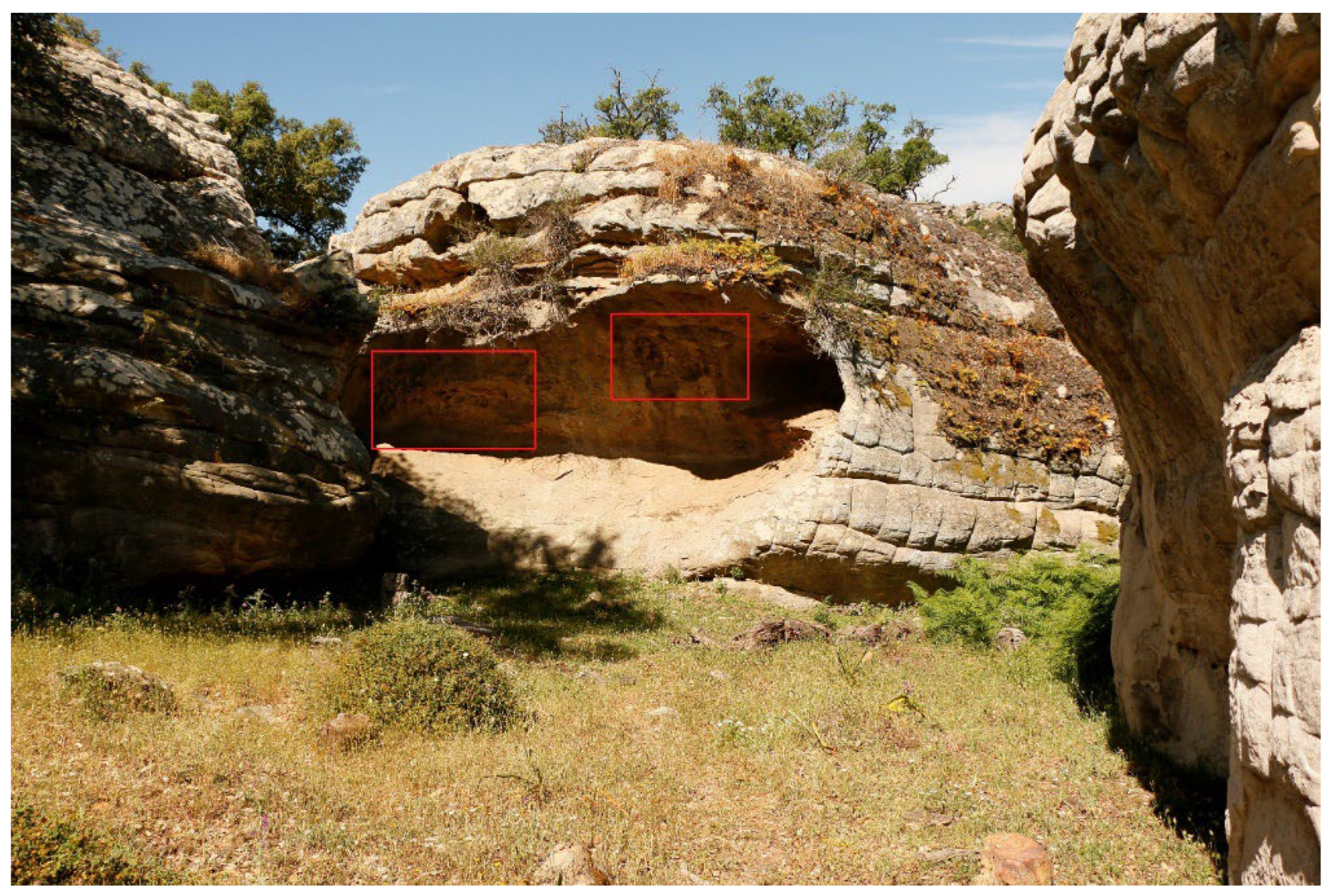
During excavations in the Ulytau area, archaeologists discovered several burial sites that match descriptions of elite graves from the Mongol period.
Although the tombs appear to date from the later 13th century—slightly later than the expected date of Jochi’s death—the remains still offered valuable scientific evidence.
Researchers conducted genetic testing on skeletal remains, focusing on Y-chromosome DNA markers. The analysis revealed that several individuals carried a genetic signature known as the C3 Y‑chromosome cluster, a lineage widely distributed across Central Asia and commonly associated with populations linked to the expansion of the Mongol Empire.
Scientists believe this discovery strengthens the connection between the Ulytau burials and the ruling elite of the Mongol world.
Why Jochi’s Burial Is Important
Identifying the burial site of Jochi could be crucial in the search for the grave of Genghis Khan himself.
Historical records indicate that both figures died around the same period in the early 13th century. If archaeologists can confirm Jochi’s burial location, it may help narrow down where his father’s tomb might lie.
According to the Persian historian Rashid al‑Din, the burial of the Mongol ruler was carried out under extraordinary secrecy. His body was reportedly placed in a wooden coffin decorated with precious metals, and the funeral procession was guarded so strictly that anyone who encountered it was allegedly killed to prevent the location from becoming known.
Some legends claim that thousands of horses were later driven across the burial site to erase all visible traces of the grave.
Competing Theories About the Tomb’s Location
Over the centuries, scholars have proposed several possible locations for the tomb of Genghis Khan.
The Venetian traveler Marco Polo once suggested that the ruler was buried near the “Great Mountains” north of the empire. Some historians interpret this as a reference to the Greater Khingan Mountains in northeastern China.
Another theory based on the writings of Rashid al‑Din places the burial site several days’ journey from Burkhan Khaldun, a mountain associated with the early life of the Mongol leader. Modern scholars often connect this description with the Khentii Mountains.
Archaeological expeditions in this region have uncovered ancient burial mounds, ritual complexes, and ceremonial sites, but the tomb of the Mongol ruler has never been definitively identified.
Burial Customs and Hidden Wealth
If the tomb is eventually discovered, archaeologists believe it could contain remarkable treasures.
Researchers studying ancient steppe cultures note that Mongol burial traditions may have resembled those of the Xiongnu, a powerful nomadic confederation that lived in the region more than two millennia ago.
Elite graves from this culture were often extremely deep—sometimes reaching more than twenty meters underground—and contained valuable objects such as gold ornaments, weapons, chariots, and ceremonial artifacts.
Discoveries from Xiongnu burial sites have revealed luxurious goods including imported glass and finely crafted vehicles, suggesting that powerful rulers were buried with symbols of their wealth and authority.
One of Archaeology’s Greatest Mysteries
Despite decades of exploration across Mongolia, Central Asia, and neighboring regions, the burial place of Genghis Khan remains one of archaeology’s most enduring mysteries.
The recent discoveries in Kazakhstan do not yet provide a definitive answer, but they offer a promising new direction for research. By combining historical texts, archaeology, and modern genetic science, scholars are gradually assembling pieces of a puzzle that has remained unsolved for centuries.
For now, the secret tomb of the great Mongol ruler may still lie hidden somewhere across the vast landscapes of Eurasia—waiting to be discovered.