• MAIN PAGE
  • LATEST NEWS
    • Lost Cities
    • Archaeology's Greatest Finds
    • Underwater Discoveries
    • Greatest Inventions
    • Studies
    • Blog
  • PHILOSOPHY
  • HISTORY
  • RELIGIONS
    • Africa
    • Anatolia
    • Arabian Peninsula
    • Balkan Region
    • China - East Asia
    • Europe
    • Eurasian Steppe
    • Levant
    • Mesopotamia
    • Oceania - SE Asia
    • Pre-Columbian Civilizations of America
    • Iranian Plateau - Central Asia
    • Indus Valley - South Asia
    • Japan
    • The Archaeologist Editor Group
    • Scientific Studies
    • Aegean Prehistory
    • Historical Period
    • Byzantine Middle Ages
    • Predynastic Period
    • Dynastic Period
    • Greco-Roman Egypt
  • Rome
  • PALEONTOLOGY
  • About us
Menu

The Archaeologist

  • MAIN PAGE
  • LATEST NEWS
  • DISCOVERIES
    • Lost Cities
    • Archaeology's Greatest Finds
    • Underwater Discoveries
    • Greatest Inventions
    • Studies
    • Blog
  • PHILOSOPHY
  • HISTORY
  • RELIGIONS
  • World Civilizations
    • Africa
    • Anatolia
    • Arabian Peninsula
    • Balkan Region
    • China - East Asia
    • Europe
    • Eurasian Steppe
    • Levant
    • Mesopotamia
    • Oceania - SE Asia
    • Pre-Columbian Civilizations of America
    • Iranian Plateau - Central Asia
    • Indus Valley - South Asia
    • Japan
    • The Archaeologist Editor Group
    • Scientific Studies
  • GREECE
    • Aegean Prehistory
    • Historical Period
    • Byzantine Middle Ages
  • Egypt
    • Predynastic Period
    • Dynastic Period
    • Greco-Roman Egypt
  • Rome
  • PALEONTOLOGY
  • About us
No results found

Reckong Peo: Kinnaur's Rock Carvings

November 8, 2026

Ancient Rock Carvings or Forgotten Himalayan History? The Mystery Surrounding Reckong Peo

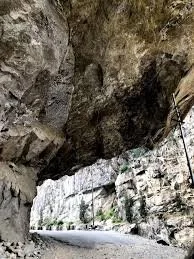
Reckong Peo, the administrative center of Kinnaur, occupies a strategic position within one of the most culturally complex regions of the Indian Himalayas.

Popular references sometimes associate the wider Kinnaur landscape with ancient carvings, inscriptions, and archaeological traces. However, these claims require careful interpretation. Not every carving or rock marking can automatically be assigned a precise age, and the archaeological documentation of individual sites varies considerably.

What is certain is that Reckong Peo stands within a region shaped by centuries of movement, trade, religious exchange, and adaptation to extreme geography.

Kinnaur as a Historical Corridor

The valleys of Kinnaur connected communities across the Himalayas.

Routes linked:

  • The Indian subcontinent.

  • Tibetan cultural regions.

  • Himalayan valleys.

  • High-altitude pastoral communities.

Movement through these areas was difficult, but difficulty did not prevent exchange.

In fact, mountain routes often became economically and politically important precisely because they provided rare connections through challenging terrain.

Rock Art and the Archaeological Problem

Rock carvings are difficult to interpret.

A mark on stone may be:

  • Ancient art.

  • A religious inscription.

  • A territorial marker.

  • A later historical carving.

  • Modern graffiti.

  • Natural weathering.

Therefore, archaeologists examine context.

Without secure dating or associated archaeological material, assigning a precise age can be difficult.

This uncertainty should not be seen as a weakness.

It is part of responsible archaeology.

Why People Carved Mountains

Across the Himalayas, rocks served as permanent surfaces.

People carved:

  • Religious symbols.

  • Inscriptions.

  • Names.

  • Images.

  • Sacred formulas.

The mountain landscape became a medium for communication.

Reckong Peo and Modern Change

As an administrative and commercial center, Reckong Peo has experienced rapid transformation.

Roads and modern construction have improved connectivity.

However, development can threaten archaeological landscapes.

A carved rock beside an old route may disappear beneath construction.

Documentation is therefore essential.

Sacred Landscape and Kinner Kailash

The town's relationship with the wider Kinner Kailash landscape adds another layer of importance.

Religious geography influences how communities understand place.

Mountains are not empty natural features.

They are connected with stories, deities, pilgrimage, and identity.

Why Reckong Peo Matters

The historical importance of Reckong Peo lies partly in its position.

It stands at the intersection of old and new Kinnaur.

Traditional mountain cultures meet modern administration.

Ancient routes meet modern roads.

Sacred landscapes remain visible alongside rapid development.

The challenge for the future is ensuring that modernization does not erase the archaeological traces that reveal how this Himalayan world developed.
← Kalpa: Kinnaur's Apple Orchard TemplesMoorish Alhambra: Granada's Nasrid Palace Secrets →
Featured
pompeii.webp
November 8, 2026
The Archaeology of Small-Scale Water Filtration Systems in Arid Zones
November 8, 2026
Read more →
November 8, 2026
images - 2026-11-08T152443.003.jpeg
November 8, 2026
The Life Cycle of a Pottery Sherd: Repairing, Recycling, Reusing
November 8, 2026
Read more →
November 8, 2026
cultivation-mussels-oysters-semi-submerged-platform-batea-marine-cultivation-o-grove-galicia-spain-cultivation-mussels-158592606.webp
November 8, 2026
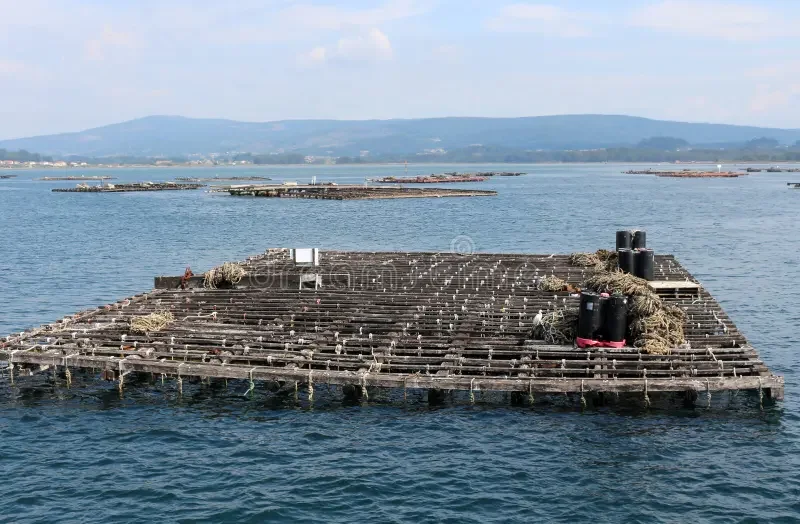
Submerged Platforms for Shellfish Cultivation in Estuaries
November 8, 2026
Read more →
November 8, 2026
images - 2026-11-08T152317.218.jpeg
November 8, 2026
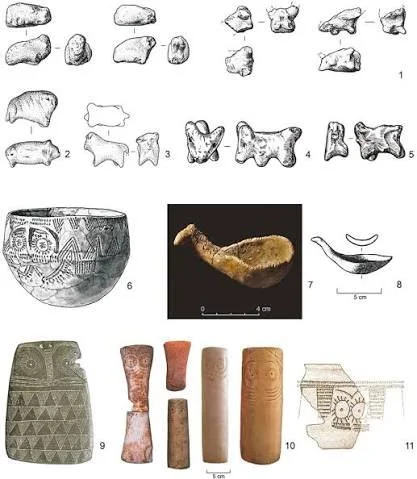
The Archaeology of Hedge‑row Folklore: Material Correlates of Rituals
November 8, 2026
Read more →
November 8, 2026
Fryktoria+a+fire+communication+system+of+ancient+Greece.webp
November 8, 2026
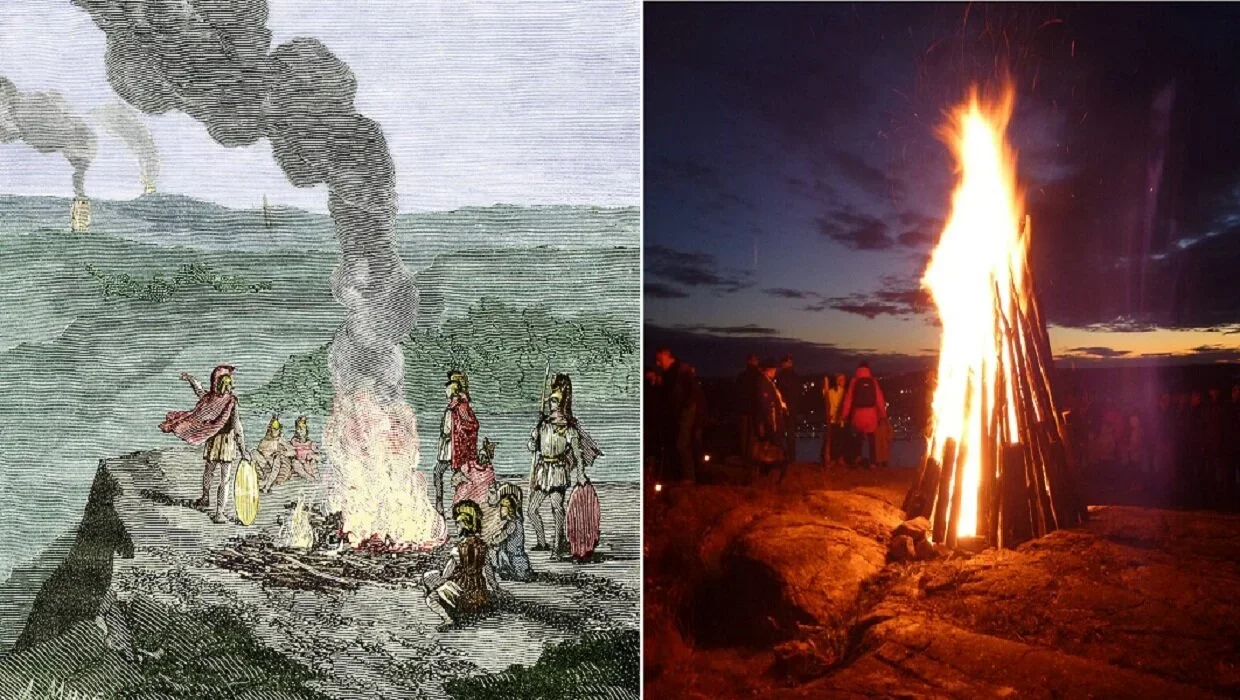
Ancient Beacon Fires: Detecting Signal Networks via Charcoal Trails
November 8, 2026
Read more →
November 8, 2026
images - 2026-11-08T151855.502.jpeg
November 8, 2026
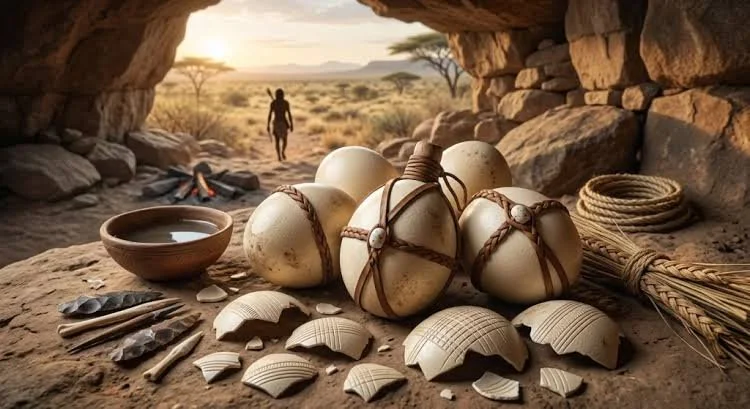
The Use of Ostrich Egg Sacs in Prehistoric Container Technologies
November 8, 2026
Read more →
November 8, 2026
read more

Powered by The archaeologist