The Legend Behind the Labyrinth
Few ancient stories are as enduring as the tale of the Labyrinth—a vast, twisting structure said to house the fearsome Minotaur. This legend is closely tied to Knossos, the largest Bronze Age site on the island of Crete.
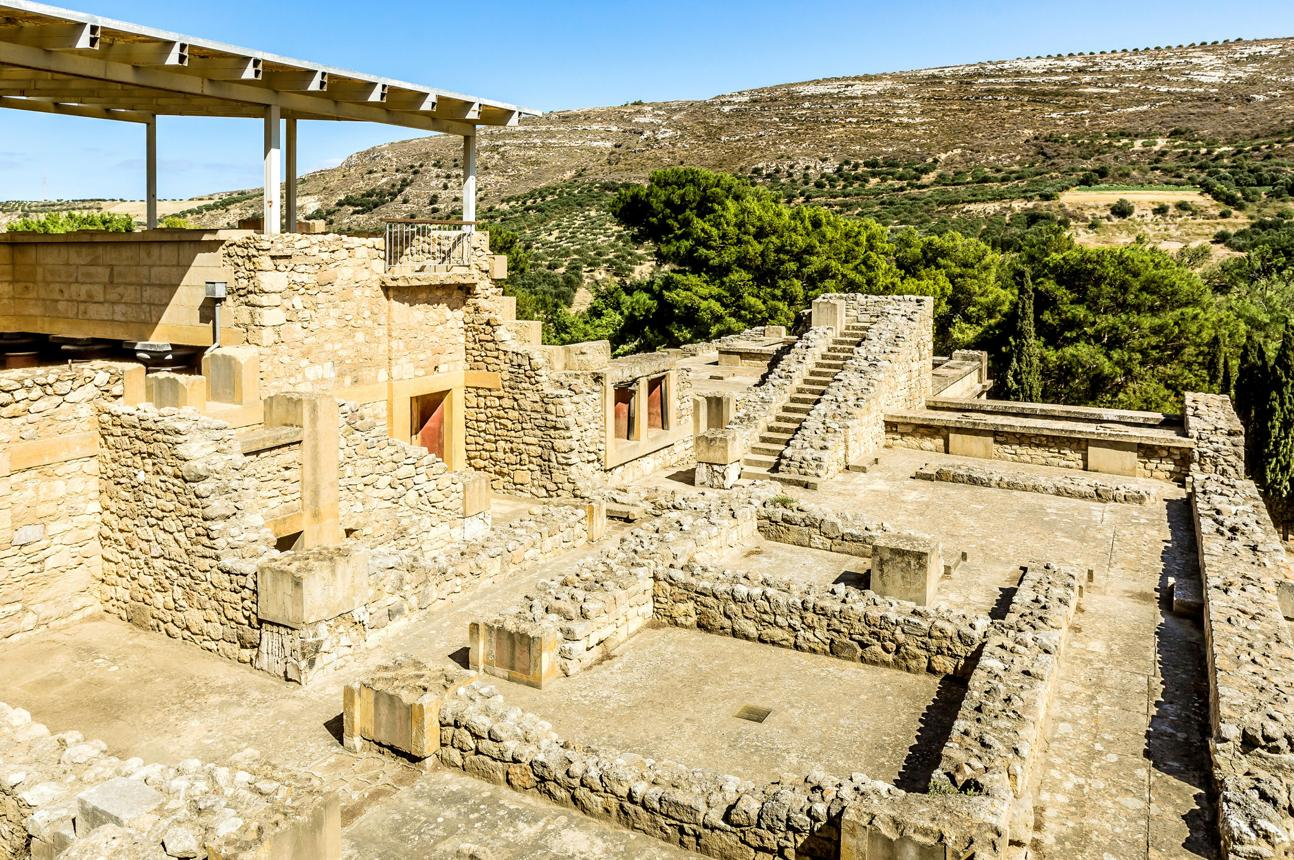
But what was Knossos, really? A royal palace? A ceremonial center? Or something more mysterious?
A Palace of Power and Administration
Most archaeologists identify Knossos as a palatial complex, serving as the political and economic heart of the Minoan civilization around 2000–1400 BCE.
The site features:
Vast storage rooms filled with large clay jars (pithoi)
Administrative areas with early writing systems like Linear B
Workshops for crafts such as pottery and metalworking
These elements suggest centralized control over resources and trade.
The Labyrinth Myth and Architecture
Knossos is famous for its maze-like layout. Its interconnected rooms, corridors, staircases, and courtyards may have inspired the idea of a labyrinth.
Rather than a literal maze, the complexity likely reflects:
Organic urban growth over time
Multiple construction phases
Functional zoning within the complex
Still, its design was impressive—and possibly confusing to outsiders.
A Place of Ritual and Death?
Some scholars have proposed an alternative theory: that Knossos may have had funerary or ritual significance beyond its administrative role.
Evidence includes:
Religious symbols and shrines
Ritual objects and offerings
Nearby burial sites
However, there is little direct evidence that Knossos itself functioned as a necropolis. Instead, it may have been a place where life, power, and ritual intersected.
Between Myth and Reality
Knossos sits at the crossroads of history and legend. While it was likely a palace at its core, its scale and symbolism gave rise to myths that transformed it into something far more mysterious.