Roman Frontier Life: The Vindolanda Tablets and Personal Letters
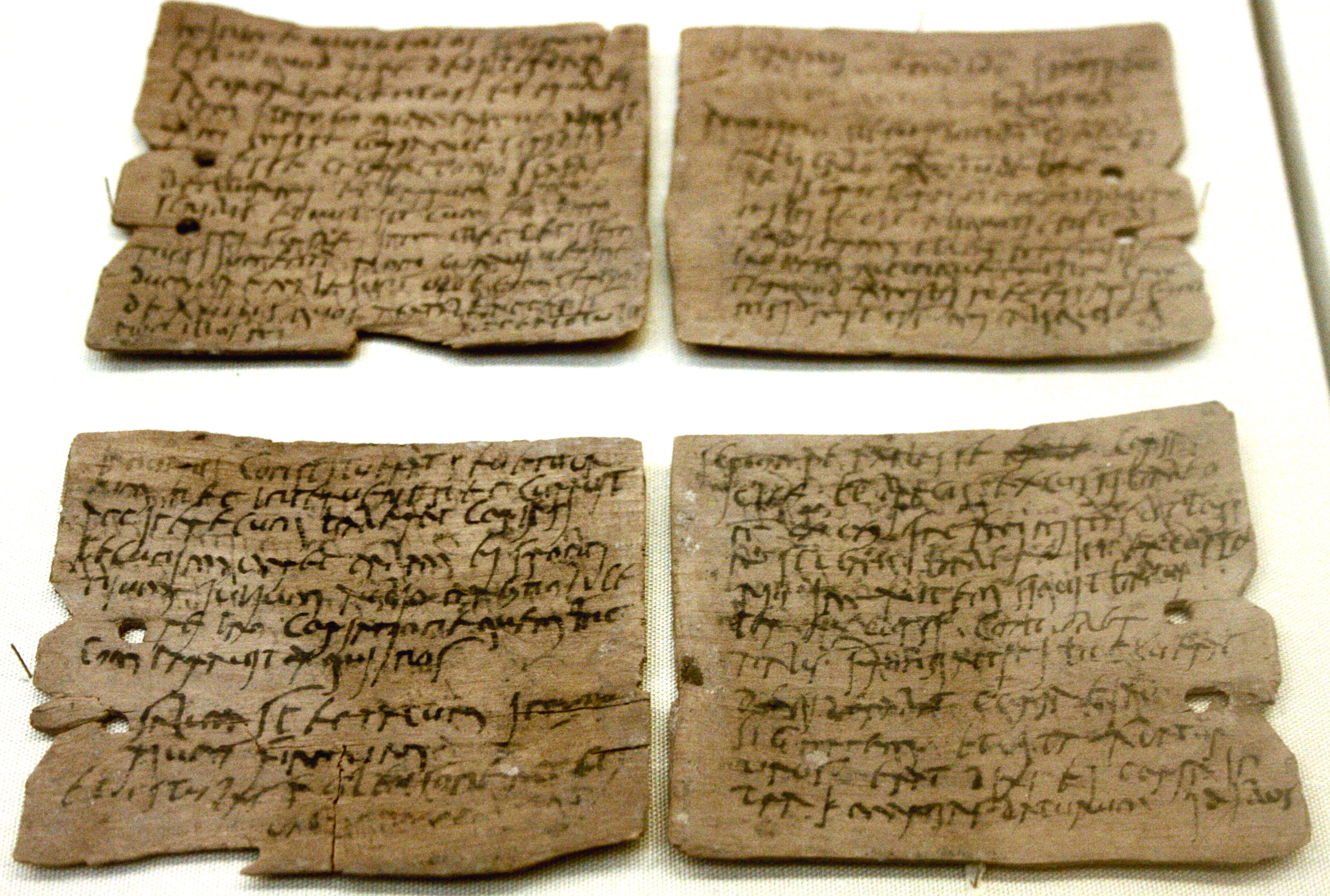
The Vindolanda tablets are some of the oldest surviving handwritten documents in Britain, offering an unparalleled, intimate glimpse into the lives of the soldiers, families, and civilians stationed on the northern frontier of the Roman Empire. Discovered in the wet, oxygen-poor soil of the Vindolanda fort in Northumberland, these thin wooden leaves have survived nearly two millennia to tell the human stories behind the Roman military machine.
1. The Nature of the Tablets
Unlike the wax-filled stylus tablets used for rough notes, the Vindolanda ink tablets were designed for communication and record-keeping.
Materials: They were made from thin slices of native birch, alder, and oak, cut to the size of a modern postcard (about 20 cm by 8 cm).
Ink Composition: Recent chemical analysis of the ink reveals that the Romans used a mixture of carbon—derived from burned animal bones or vine charcoal—suspended in gum arabic and water.
Format: The tablets were scored down the middle, folded like diptychs, and written on the inner faces.
2. Personal Letters and Social Dynamics
The tablets reveal the vibrant social and economic life of the frontier, capturing mundane worries, domestic requests, and celebrations.
The Claudia Severa Invitation: Written by Claudia Severa to Sulpicia Lepidina (wife of the commanding officer Flavius Cerialis), this document contains the oldest surviving handwriting by a woman in Britain. Severa invites Lepidina to her birthday party on September 11th. The final lines are written in Severa's own hand, illustrating the literacy of women on the frontier.
The Request for Beer: Decurion Masculus sent a famous missive to Prefect Flavius Cerialis, inquiring about his men's duties for the following day and concluding with an urgent request for more beer, as the garrison had consumed its entire stock.
Business Operations: Letters such as the one from the merchant Octavius to his associate Candidus highlight financial transactions, grain supplies, and transport logistics required to keep the frontier fed and functional.
3. The Composition of the Frontier Community
The tablets uncover a diverse and highly integrated community living on the frontier prior to the construction of Hadrian's Wall.
Auxiliary Troops: The fort was manned by the First Tungrians (from modern-day Belgium) and the Ninth Batavians (from the Netherlands).
Unofficial Families: While soldiers were forbidden from marrying during their 25 years of service, the tablets record families, children, and contubernalis (unofficial wives) living right alongside the soldiers.
Daily Work: Personnel lists record various non-combat roles, including bathhouse keepers (balniatores), shoemakers, and medical doctors.
4. Modern Discoveries and Digital Preservation
The excavation of the Vindolanda site remains active, with new discoveries and technological breakthroughs continuing to emerge.
Advanced Imaging: Using multispectral and infrared photography, researchers can read faded ink scripts that are invisible to the naked eye.
Recent Finds: Excavations continue to unearth both wooden tablets and daily artifacts, ranging from Roman keys to medical instruments.
Digital Archives: The Centre for the Study of Ancient Documents makes these documents accessible globally, applying artificial intelligence to assist with paleographic date prediction.
The Vindolanda tablets transform the cold stone remains of the Roman frontier into a bustling, human-centered community of commerce, friendship, and everyday survival.