The Dead Sea Scrolls: New Fragments and Digital Preservation
The Dead Sea Scrolls, first discovered in 1947 in the Qumran Caves near the Dead Sea, remain one of the most significant archaeological finds in modern history. Dating from the 3rd century BCE to the 2nd century CE, these ancient Hebrew, Aramaic, and Greek manuscripts provide an unprecedented glimpse into the Second Temple period, the evolution of the Hebrew Bible, and the origins of early Judaism and Christianity.
1. Recent Discoveries of New Fragments
In recent years, archaeological efforts have uncovered additional fragments, proving that the Judean Desert caves still hold previously unrecorded historical artifacts.
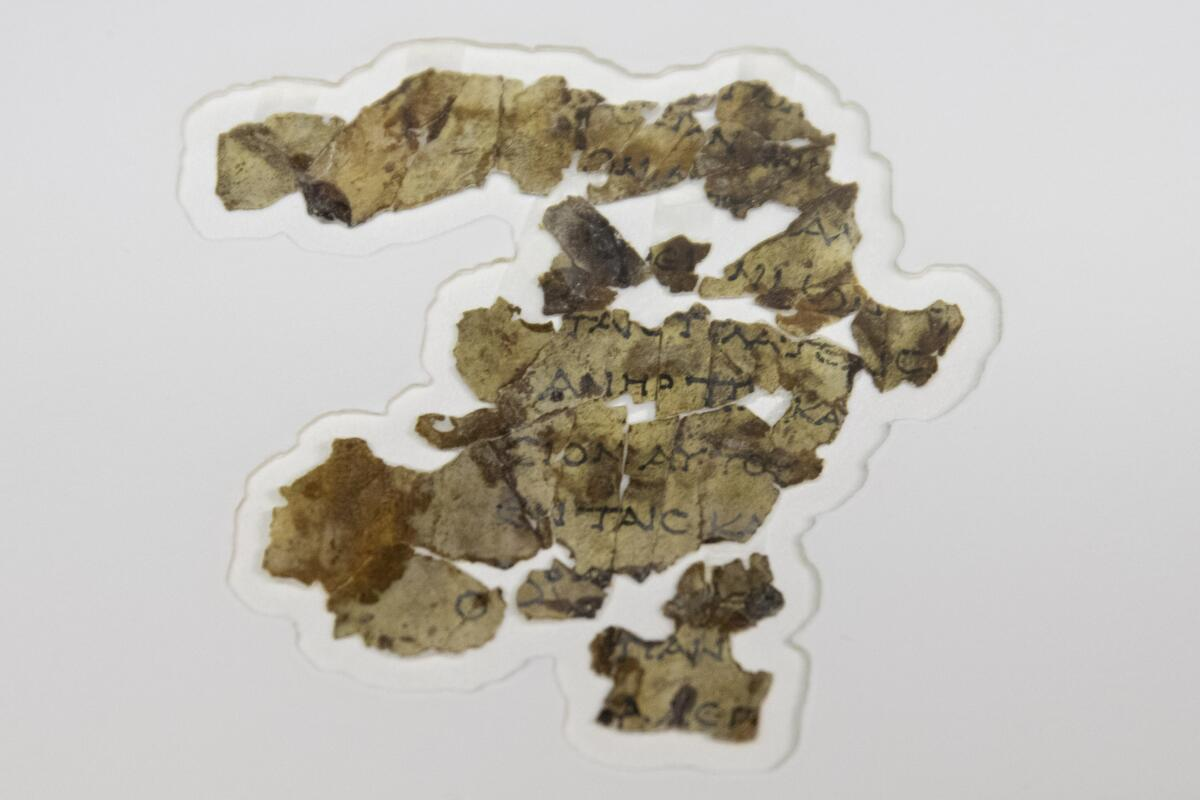
The Cave of Horror Finds: In a major sweep by the Israel Antiquities Authority, dozens of new parchment fragments bearing lines of Greek text from the books of Zechariah and Nahum were uncovered.
Bar Kokhba Revolt Context: These pieces were recovered from the "Cave of Horror" and are believed to have been hidden during the Jewish uprising against Rome (132–136 CE).
Textual Variations: Researchers identified a unique textual variation in the Greek rendition of the Twelve Minor Prophets that differs from any other known manuscript.
2. Digital Preservation and Imaging
The fragile organic nature of the scrolls—consisting primarily of leather, parchment, and papyrus—makes them highly vulnerable to deterioration from light, humidity, and physical handling.
The Leon Levy Dead Sea Scrolls Digital Library: Spearheaded by the Israel Antiquities Authority, this project uses advanced multispectral imaging to create high-resolution digital copies of the fragments.
Non-Destructive Analysis: Researchers can now read faded characters and study the details of the parchment without exposing the fragile physical originals to damaging environmental fluctuations.
3. Scientific Dating and AI Integration
Recent technological innovations have further refined our understanding of the scrolls' origins and the scribes who produced them.
Radiocarbon Dating: A series of tests on samples from thirty scrolls has helped confirm that most manuscripts belong to the last two centuries BCE and the first century CE.
The "Enoch" AI Model: Scientists have combined radiocarbon dating with an AI-based date-prediction model. This system uses Bayesian ridge regression to analyze handwriting-style descriptors, allowing scholars to date previously unanalyzed manuscripts paleographically.
"The integration of AI-based handwriting analysis with radiocarbon dating has revealed new evidence of pre-Hasmonean scribal literacy and the coexistence of different writing styles."
4. Museum Exhibitions and Care Protocols
Because of their extreme fragility, authentic fragments are kept under strict climate-controlled conditions that simulate the caves where they were originally stored.
Rotation Schedules: To minimize deterioration, authentic documents—such as fragments of the prophetic Book of Isaiah—are only exhibited for limited rotations before returning to climate-controlled vaults.