The Viking Settlement at L’Anse aux Meadows: Fact vs. Folklore
The archaeological site at L’Anse aux Meadows, located on the northernmost tip of Newfoundland, Canada, remains the only confirmed Norse site in North America. Since its discovery in 1960 by Helge and Anne Stine Ingstad, it has served as the ultimate bridge between the poetic narratives of the Icelandic sagas and physical reality.
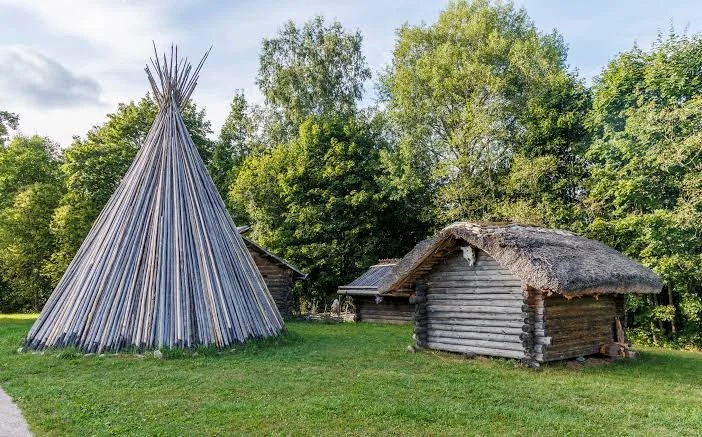
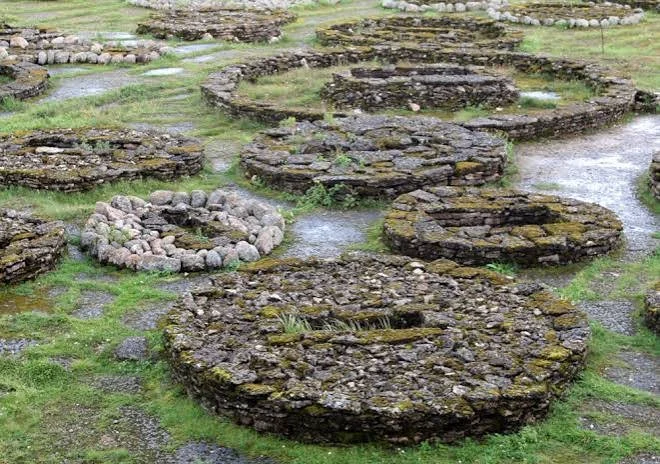
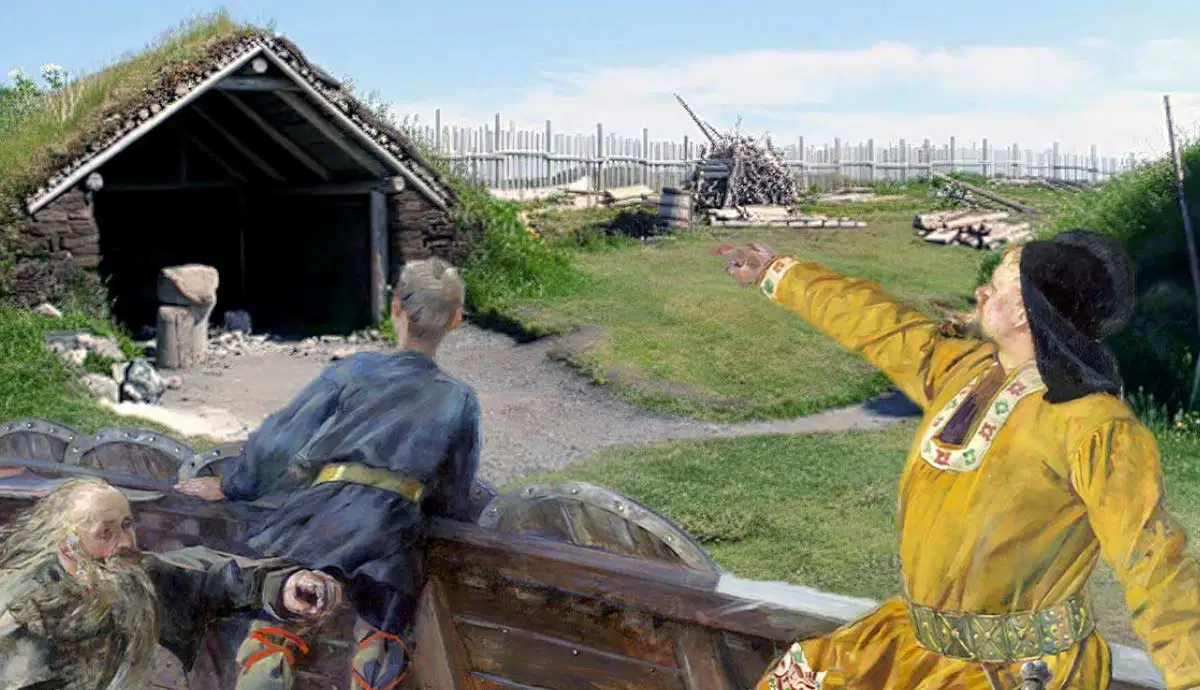
The Archaeological Reality Excavations have provided concrete evidence that the Norse were present in the Americas around 1000–1021 AD. Archaeologists uncovered eight timber-framed turf buildings, including dwellings, workshops, and a forge. These were built in a style identical to those found in Norse Greenland and Iceland from the same period.
Among the hundreds of Norse items found were a bronze ring-headed pin (a typical Norse garment fastener), a soapstone spindle whorl (evidence that wool spinning and Norse women were present), and iron smithing debris. The Norse were smelting local "bog iron" to produce nails for ship repair—a technology unknown to the Indigenous populations of the area at that time.
The 1021 AD Date In 2021, a study published in Nature used a solar storm signature found in tree rings to pinpoint exactly when the Norse were cutting wood at the site: 1021 AD.
Separating the Sagas from the Soil For centuries, the Saga of the Greenlanders and the Saga of Erik the Red were dismissed as pure myth. L’Anse aux Meadows changed that, but it also clarified where the stories embellished the truth. For instance, the Sagas describe "Vinland" as a land of grapes. Newfoundland is too cold for grapes, but the discovery of butternuts at the site—which are not native to Newfoundland—suggests the Norse traveled further south, likely to modern-day New Brunswick, to gather supplies.
The duration of the stay is also a point of clarification. While folklore implies a long-term struggle to colonize, archaeology suggests the site was occupied for a very short time—likely only 3 to 10 years. It functioned as a seasonal ship-repair station and gateway for exploration rather than a permanent settlement.
The "Leif Erikson" Connection While folklore attributes the discovery specifically to Leif Erikson, archaeology cannot "name" the residents. However, the size of the buildings suggests a crew of about 70 to 90 people, which matches the scale of the expeditions described in the sagas. The site also fits the description of Straumfjörðr (Stream Fjord), a base camp mentioned in the sagas.
The Departure The Norse likely left L’Anse aux Meadows by choice. The supply line back to Greenland was over 1,000 miles of treacherous sea, and the Greenland colony itself was too small to sustain a secondary settlement. Once they realized the resources were too costly to retrieve, they stripped the buildings of valuables and sailed back east.
The Verdict L’Anse aux Meadows proves that the Viking Age reached the Western Hemisphere nearly 500 years before Columbus. While the sagas added a layer of literary drama, the iron and timber of Newfoundland prove that the "Old World" and "New World" met much earlier than history books once claimed.