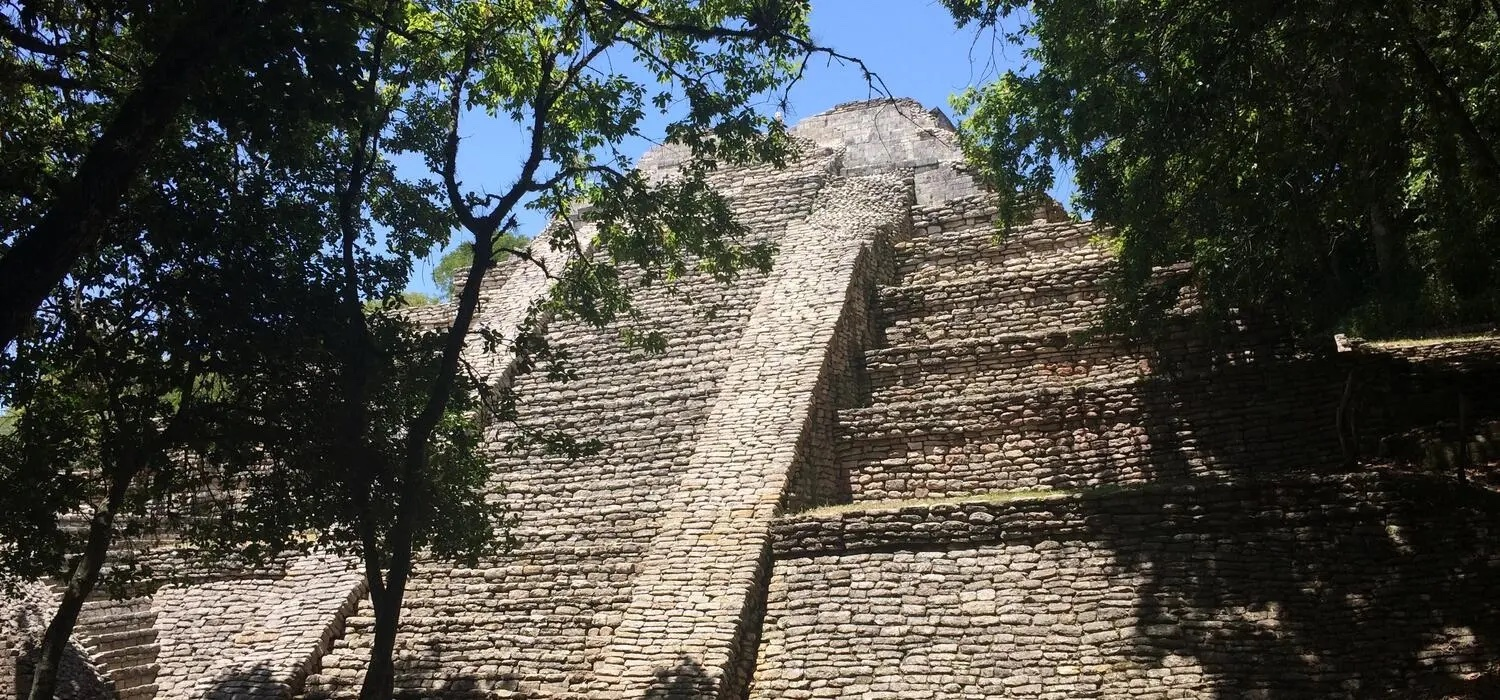
Researchers led by Elizabeth Paris from the University of Calgary have analyzed animal remains from two highland Maya sites—Moxviquil and Tenam Puente in southern Mexico—to better understand ancient trade and animal management.
By studying strontium isotopes in the bones and tooth enamel of deer and dogs, the team discovered that most of the dogs were not local to the highlands. Instead, they appear to have been raised in Maya lowland kingdoms and later transported to these sites. That alone hints at long-distance exchange networks.
Carbon and nitrogen isotope analysis revealed that the dogs consumed a diet high in maize and meat. Researchers suggest they may have been intentionally fed this food, or they could have scavenged leftovers from human meals. In contrast, the deer remains showed local isotopic signatures, indicating they were native to the area and likely hunted in the wild rather than traded.
According to Paris, the findings strengthen evidence for extensive exchange systems across ancient Mesoamerica, particularly within the Maya region. Further DNA testing is planned to determine the specific types of dogs kept by the Maya.
It’s such a cool detail, honestly — we often talk about trade in jade, obsidian, or ceramics, but here we’re seeing living animals moving across landscapes. That says something big about how connected and organized these communities really were.