Introduction
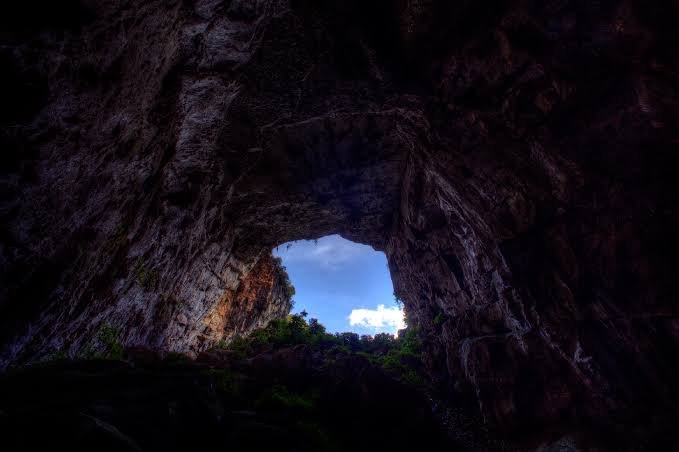
Karst landscapes are formed through the gradual dissolution of soluble rocks, particularly limestone and dolomite. This geological process creates caves, underground chambers, sinkholes, fissures, and complex drainage systems. For communities living in these environments, natural underground spaces could provide opportunities for storage, shelter, and resource management.
Subterranean storehouses in karst regions are especially interesting because they demonstrate how people adapted natural geological features for practical purposes. Underground spaces may offer relatively stable temperatures and protection from direct sunlight, while their entrances and internal layouts can be modified to control access.
The archaeological study of these storehouses can reveal how communities preserved food and other valuable materials, organized storage, and used the natural features of their landscapes.
Understanding Karst Landscapes
Karst terrain develops when slightly acidic water dissolves soluble bedrock over long periods. Rainwater absorbs carbon dioxide from the atmosphere and soil, forming a weak acid that gradually enlarges cracks and openings in the rock.
Over time, these processes can create caves, underground passages, sinkholes, and chambers. Some karst systems contain underground streams and reservoirs, while others have relatively dry chambers.
The distribution of these features depends on geological structure, climate, groundwater movement, and the history of erosion.
For ancient communities, karst environments offered both opportunities and risks. Natural cavities could provide sheltered spaces, but unstable ceilings, flooding, poor ventilation, and difficult access could make some locations unsuitable for regular storage.
Why Use Subterranean Storehouses?
Underground storage could provide several advantages over exposed surface structures. Temperatures below ground often fluctuate less dramatically than temperatures at the surface. This may help protect certain stored materials from extreme heat and rapid temperature changes.
Darkness could also reduce exposure to sunlight, while natural rock walls might offer protection from wind and some forms of disturbance.
Communities may have used underground spaces to store grain, pottery, tools, food products, and other valuable objects. The exact materials stored would depend on humidity, temperature, ventilation, and the risk of water intrusion.
Not every cave or underground chamber would have been suitable for food storage. Some environments may have been too damp, too cold, or vulnerable to flooding.
Modifying Natural Chambers
A natural cave could be used without major construction, but some communities may have modified underground spaces to improve their usefulness.
Possible modifications include leveling floors, clearing loose rock, constructing low walls, installing doors or barriers, and creating platforms for storage containers.
Entrances may have been narrowed or protected to regulate access. In some cases, steps or simple pathways could have made it easier to reach deeper chambers.
Archaeologists look for tool marks, constructed surfaces, artificial partitions, and repeated architectural modifications. These features can help distinguish deliberate storage facilities from natural caves that were used only occasionally.
Storage Materials and Preservation Conditions
The preservation of stored goods depends on the underground environment. Temperature, humidity, airflow, and water movement all influence how materials survive.
Dry chambers may be suitable for storing certain grains and other materials vulnerable to moisture. More humid environments could support the storage of materials that require protection from drying, although excessive humidity encourages mold and decay.
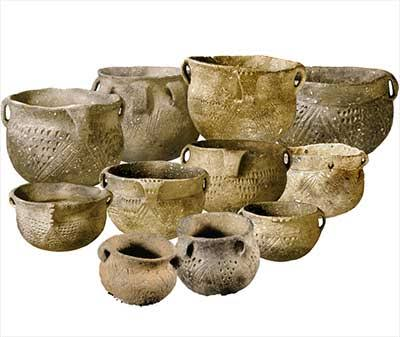
Ceramic vessels may have been used to contain food or liquids. Baskets, wooden containers, and textiles could also have been employed, although they are less likely to survive in ordinary cave conditions.
Archaeological deposits may preserve fragments of containers, botanical remains, seeds, charcoal, and other evidence of storage activity.
Controlling Access and Protecting Resources
Subterranean storehouses may have required controlled entrances, particularly when they contained valuable food supplies or communal resources.
A narrow entrance could make it easier to monitor movement into a chamber. Doors, stone barriers, or other closures may have been used to prevent unauthorized access or protect stored materials from animals.
The presence of locks or security features would need to be demonstrated through actual archaeological evidence. A blocked entrance alone does not necessarily indicate a secure storehouse because it could also represent natural collapse or deliberate closure for other reasons.
The organization of storage spaces may reveal whether resources were held by individual households, larger families, religious institutions, or community authorities.
Archaeological Identification
Identifying a subterranean storehouse requires evidence that the chamber was deliberately used for storage rather than simply occupied or visited.
Researchers examine the distribution of artifacts, the presence of storage containers, floor modifications, and the relationship between the chamber and nearby settlements.
Repeated deposits of grain, seeds, or other stored materials may provide particularly useful evidence. However, organic remains can be difficult to preserve, especially in humid caves.
The discovery of many ceramic vessels does not automatically prove that a chamber was a storehouse. Vessels may have been used for ritual activities, domestic occupation, or later dumping.
A convincing interpretation depends on the combined evidence of architecture, artifacts, environmental conditions, and repeated use.
Dating Underground Storage Facilities
Radiocarbon dating can be used when suitable organic materials are preserved, such as charcoal, seeds, or wood. These samples may help establish when a chamber was occupied or modified.
Pottery styles and other artifacts can provide additional chronological information. Stratigraphic relationships may also reveal whether storage activity occurred before or after other uses of the cave.
Dating the natural formation of a cave is not the same as dating its use by humans. The geological age of the chamber may be millions of years older than the archaeological activity within it.
Researchers must therefore distinguish the formation of the geological feature from the construction, modification, and occupation of the storehouse.
Environmental Risks and Conservation
Karst environments can be vulnerable to sudden flooding, groundwater changes, and rock collapse. Underground spaces may also contain sensitive deposits that are easily damaged by uncontrolled access.
Modern development, quarrying, tourism, and groundwater extraction can alter the conditions that originally supported preservation.
Archaeological investigation must therefore include geological assessment and appropriate conservation planning. Monitoring humidity, temperature, and water movement can help determine whether fragile materials are at risk.
Caves should not be assumed to provide stable preservation simply because they are underground. Their environmental conditions can vary considerably over short distances.
Social and Economic Significance
Underground storehouses may have contributed to the economic security of communities living in karst regions. They could help preserve seasonal surpluses, protect valuable materials, and provide reserves during periods of limited production.
The scale and organization of a storage facility may offer clues about the community that used it. A small chamber with a few containers may have served a household, while a larger complex with multiple compartments could have supported a broader group.
Shared storage may also have required rules about access, distribution, and maintenance. Such arrangements could reveal aspects of cooperation and social organization.
Conclusion
Subterranean storehouses in karst regions demonstrate how ancient communities could adapt natural geological features to meet practical needs. Underground chambers offered opportunities for storage, protection, and resource management, although their suitability depended on humidity, ventilation, temperature, and flooding risks. Archaeological interpretation requires distinguishing deliberate storage facilities from natural caves and spaces used for other purposes. Through geological survey, artifact analysis, environmental reconstruction, and dating, researchers can better understand how underground landscapes contributed to the economic life of ancient communities.