Introduction
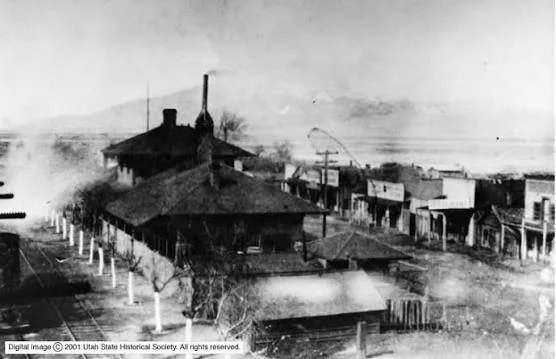
Terrace was one of the many railroad settlements that emerged along the transcontinental route across Utah. Unlike major railroad cities such as Ogden, Terrace was shaped primarily by the operational requirements of the railway.
Its remains illustrate a less glamorous but essential part of railroad history: the workers and facilities responsible for maintaining the line.
Railroad Section Crews
A railroad could not function simply by laying tracks.
Tracks had to be inspected, repaired, cleared, and maintained continuously.
Railroad companies therefore divided routes into sections and assigned workers to each.
Section crews maintained stretches of track and associated infrastructure.
They repaired rails, replaced ties, cleared debris, maintained drainage, and responded to emergencies.
Section Houses
Railroad companies constructed section houses to provide accommodation for workers and their families.
These buildings were practical rather than monumental.
Their importance comes from what they reveal about railroad labor.
The section house placed workers close to the tracks they maintained.
This reduced response time and allowed crews to monitor the railroad.
Life Along the Railroad
Life in railroad section settlements could be isolated.
Workers and families lived far from major population centers.
Supplies arrived through railroad networks.
Social life developed within small communities.
Children might attend small schools or travel considerable distances for education.
The railroad was simultaneously workplace, transportation system, and connection to the outside world.
Maintenance as an Industrial System
Railroad maintenance required standardized procedures.
Workers used specialized tools.
Track geometry had to remain within acceptable tolerances.
Bridges and culverts required inspection.
Snow, flooding, erosion, and heat could damage infrastructure.
The seemingly simple railroad track therefore represented a constantly maintained industrial system.
Chinese and Other Railroad Workers
The construction of western railroads depended heavily on immigrant labor, especially Chinese workers on the Central Pacific.
After construction, railroad maintenance continued to involve workers from many backgrounds.
Understanding settlements such as Terrace helps broaden railroad history beyond the famous executives and ceremonial events.
The Landscape
Terrace's remote location demonstrates how railroads imposed a new geographic order on the Great Basin.
Before railroad construction, the region was characterized by Indigenous travel routes, natural resources, ranching, and overland transportation.
The railroad introduced an industrial corridor.
Stations, section houses, telegraph lines, water facilities, and maintenance areas appeared along it.
Abandonment
When railroad routes changed, the settlements supporting them could disappear.
A section house might be abandoned because the railroad consolidated maintenance operations elsewhere.
A station could close after a route was bypassed.
Once workers left, buildings deteriorated rapidly.
Archaeological Interpretation
Railroad archaeology can reveal the ordinary lives of workers.
Building foundations can establish settlement organization.
Household artifacts reveal what families purchased and consumed.
Railroad tools provide evidence of occupational activities.
Telegraph-related remains can reveal communication infrastructure.
Conclusion
Terrace is important because it represents the everyday infrastructure behind the transcontinental railroad.
Its section houses were not grand landmarks, but they supported one of the most important transportation systems in American history.
Studying such places shifts attention from famous ceremonies to the workers who maintained the tracks day after day.