Introduction
Thaba Bosiu is one of Lesotho’s most important historical and cultural landmarks. Located near Maseru, this flat-topped sandstone plateau is closely associated with Moshoeshoe I, the founder of the Basotho nation, and the formation of the Basotho kingdom during the nineteenth century.
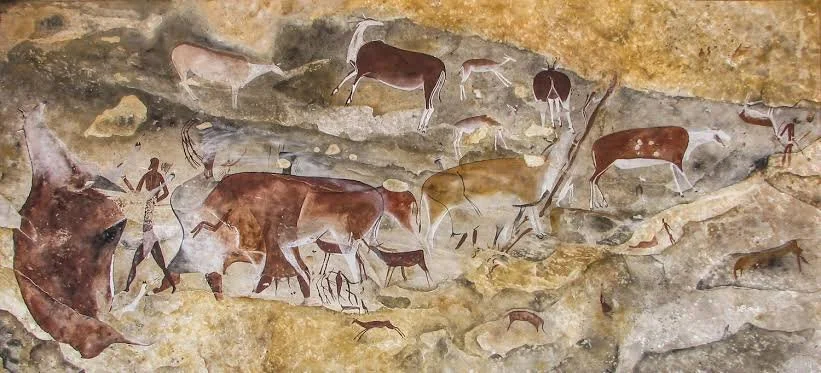
Unlike the prehistoric rock-art shelters discussed in the preceding articles, Thaba Bosiu is primarily significant as a historical stronghold and a place of national memory. Its importance comes from the role it played in political leadership, defence, community organisation, and the survival of the Basotho during a period of regional upheaval.
The name Thaba Bosiu is commonly translated as “Mountain at Night.” Historical tradition connects the name with the mountain’s defensive reputation and the difficulty opponents faced when attempting to attack it. The site remains an important symbol of Lesotho’s history and national identity.
Moshoeshoe I and the Formation of the Basotho Kingdom
Moshoeshoe I emerged as a major leader during a period of profound change in southern Africa. During the late eighteenth and early nineteenth centuries, political competition, population movement, conflict, and economic disruption affected many communities across the region.
Moshoeshoe built relationships with different groups and brought communities together under his leadership. His approach combined diplomacy, alliance-building, military organisation, and the establishment of a defensible centre from which he could protect his people.
Thaba Bosiu became closely associated with this process. Its elevated position and relatively accessible plateau made it a strategic location where communities could seek refuge and organise their defence.
The development of the Basotho kingdom was not an isolated event. It occurred within a wider regional history involving neighbouring African polities, expanding settler communities, and changing patterns of trade and warfare.
The Geography of a Fortress
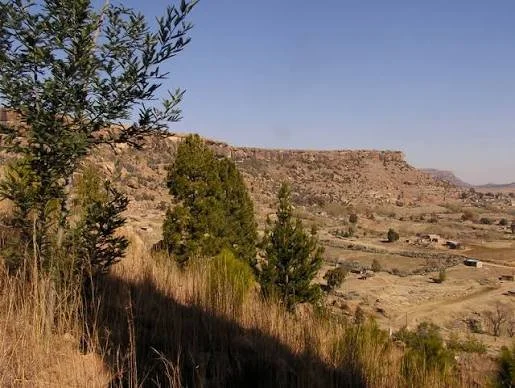
Thaba Bosiu’s physical form contributed significantly to its defensive value. The plateau rises above the surrounding landscape, and its steep sides restrict the number of practical approaches.
A strong defensive position could make it difficult for an attacking force to approach in large numbers. The elevated terrain also provided visibility over surrounding routes and settlements.
The mountain’s usefulness depended on more than geography, however. Defence required organised leadership, knowledge of the terrain, access to food and water, and the cooperation of the people living there.
Thaba Bosiu therefore represents the combination of a natural stronghold and a human system of political and military organisation.
Conflict and Regional Politics
During Moshoeshoe I’s leadership, the Basotho faced multiple challenges, including conflict with neighbouring groups and expanding colonial forces. The history of Thaba Bosiu is closely connected to the efforts made to protect the emerging kingdom and maintain its political independence.
The mountain provided refuge during periods of conflict, but its importance should not be reduced to military defence alone. It was also a centre of leadership and a place where political relationships were negotiated.
Moshoeshoe’s diplomatic strategy was an important part of his leadership. He sought alliances and negotiated with neighbouring powers when doing so could protect his people. These efforts unfolded within a changing political environment in which military strength, land, trade, and recognition were closely connected.
Thaba Bosiu and the Basotho Identity
Thaba Bosiu has become a powerful symbol of Basotho history and identity. Its association with Moshoeshoe I links the landscape to the formation of the nation and to the experiences of communities that sought security during a period of upheaval.
Historical sites often serve as places where national memory is maintained. Stories about leaders, battles, and collective survival are transmitted through education, oral traditions, commemorations, and public ceremonies.
These traditions are important, but historical research also examines how stories developed and how different sources describe the same events. Oral traditions, written records, archaeology, and the physical landscape can provide complementary perspectives.
A balanced history recognises the significance of national memory while continuing to investigate the details of the past.
The Historical Landscape
Thaba Bosiu contains places associated with the history of Moshoeshoe and the Basotho kingdom. The mountain and its surrounding landscape can help researchers investigate how people used natural features for defence and settlement.
Archaeological evidence may provide information about occupation, material culture, and the use of space, while historical documents and oral accounts contribute information about political events and community relationships.
The interpretation of the site should distinguish between what is supported by historical documentation and what belongs to later tradition. This distinction does not diminish the cultural significance of the mountain; it helps explain how historical knowledge is developed.
Preservation and Cultural Heritage
Thaba Bosiu is a place of national significance, and its preservation is important for historical research, education, and cultural continuity.
Heritage management involves protecting archaeological features, maintaining visitor access responsibly, and ensuring that development does not damage important parts of the landscape. Public interpretation should communicate the site’s history accurately and recognise its significance to Basotho communities.
Visitors can learn about the mountain not only as a military stronghold but also as a place associated with leadership, diplomacy, resilience, and the formation of a kingdom.
Conclusion
Thaba Bosiu stands as one of Lesotho’s most important historical landmarks. Its association with Moshoeshoe I and the formation of the Basotho kingdom makes it central to understanding the country’s nineteenth-century history.
The mountain’s natural defences helped provide a secure base, but its historical importance also depended on leadership, diplomacy, and the organisation of communities. Today, Thaba Bosiu remains a place where geography, political history, and national memory come together.
Preserving the site and interpreting it responsibly ensures that its significance continues to be understood by future generations, both as a historical stronghold and as an enduring symbol of Basotho heritage.