Introduction
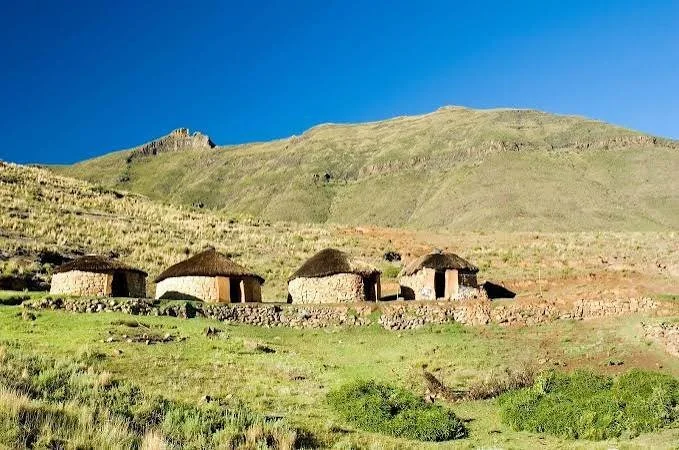
Maseru District, which includes Lesotho’s capital and surrounding rural areas, occupies a landscape of valleys, foothills, and highland routes. The region has a long history of human activity, including hunting and gathering, farming, livestock keeping, and settlement.
The title “Pastoral Art” suggests rock art connected with herding communities or imagery associated with domestic animals and pastoral life. This is an interesting subject because the introduction and development of livestock keeping changed the ways communities used land and organised their economies.
However, the term should not be treated as confirmation that a specific set of paintings in Maseru District depicts pastoralism. Each shelter and artwork requires site-specific documentation before particular subjects, dates, or cultural associations can be assigned.
The Landscape and Its Shelters
The Maseru region contains varied terrain, including river valleys, rocky slopes, and areas suitable for cultivation and grazing. Natural shelters could provide temporary protection for people moving through the landscape.
For pastoral communities, access to water and grazing land was especially important. The location of a shelter near a route or resource area might have made it useful during seasonal movement, although the presence of a shelter alone does not prove that it was used by herders.
Archaeological research examines the location of sites alongside the evidence found within them. Stone tools, pottery, animal remains, and other materials may help establish how a place was used and during which period.
What Is Pastoral Art?
The term pastoral art generally refers to artistic representations of herding, livestock, and rural life. In the context of archaeological rock art, it may describe images that appear to depict domestic animals, people managing herds, or other activities associated with pastoral communities.
Such imagery can be valuable because it may preserve evidence of changes in subsistence and social life. Yet identifying a domestic animal in a painting can be difficult, particularly when the image is faded or stylised.
A convincing interpretation requires attention to anatomical details, the arrangement of figures, and the archaeological context. Researchers may compare the painting with documented representations from other sites, but similarities do not automatically prove that the images were created by the same community.
Pastoralism in Southern Africa
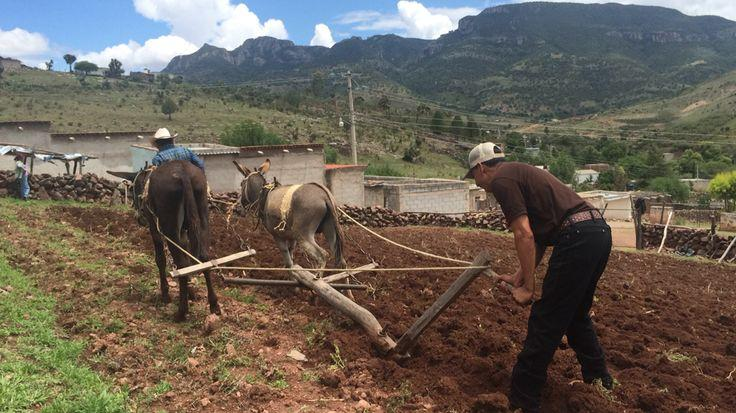
Pastoralism involves the management of domestic animals such as sheep or cattle. Herding can provide meat, milk, hides, and other resources, but it also requires knowledge of grazing, water availability, animal health, and seasonal movement.
In southern Africa, pastoralism developed within a wider history of interaction among communities with different economic practices. Hunting and gathering continued alongside herding in some places, and people could exchange goods and knowledge across community boundaries.
This history should not be represented as a simple replacement of hunter-gatherers by pastoralists. Communities adopted and combined different practices according to local conditions, social relationships, and historical circumstances.
Can Rock Art Prove Pastoral Activity?
A painting that appears to show livestock may provide evidence relevant to pastoralism, but its interpretation depends on the identification of the animals and the age of the image.
The presence of domestic animals in a painting could indicate familiarity with herding, but it does not by itself establish whether the artist was a herder, whether the shelter was used as a livestock camp, or how the animals were managed.
Archaeological evidence from animal bones, pottery, settlement features, and other materials may help provide a more secure context. The chronology is especially important because an image may have been created long after the first introduction of livestock into the region.
Dating and Cultural Attribution
Dating rock art is difficult because pigments do not always contain material suitable for direct analysis. Researchers may rely on indirect evidence, including archaeological context, comparisons with other sites, and analysis of suitable mineral deposits.
Cultural attribution also requires caution. A painting may reflect contact between communities rather than the identity of the artist. People could adopt new artistic subjects or techniques through exchange and interaction.
For the Maseru District shelters, any claim about pastoral art should identify the documented shelter and explain the evidence that supports the interpretation.
Heritage Protection
Rock art can be damaged by weathering, vandalism, and uncontrolled visitation. Conservation includes documenting the paintings, protecting vulnerable surfaces, and providing accurate information to visitors.
Local communities are important partners in heritage protection. Their knowledge of the landscape and its history can contribute to the interpretation and preservation of archaeological sites.
Conclusion
The idea of pastoral art in Maseru District offers a way to explore the relationship between rock imagery and the history of livestock keeping in Lesotho. Pastoralism shaped resource use, mobility, and social relationships across southern Africa, making it an important subject for archaeological research.
Nevertheless, specific claims about pastoral paintings must be supported by verified site records. By combining rock-art analysis with evidence from settlements, animal remains, and other archaeological materials, researchers can investigate the history of herding while avoiding unsupported interpretations.