• MAIN PAGE
  • LATEST NEWS
    • Lost Cities
    • Archaeology's Greatest Finds
    • Underwater Discoveries
    • Greatest Inventions
    • Studies
    • Blog
  • PHILOSOPHY
  • HISTORY
  • RELIGIONS
    • Africa
    • Anatolia
    • Arabian Peninsula
    • Balkan Region
    • China - East Asia
    • Europe
    • Eurasian Steppe
    • Levant
    • Mesopotamia
    • Oceania - SE Asia
    • Pre-Columbian Civilizations of America
    • Iranian Plateau - Central Asia
    • Indus Valley - South Asia
    • Japan
    • The Archaeologist Editor Group
    • Scientific Studies
    • Aegean Prehistory
    • Historical Period
    • Byzantine Middle Ages
    • Predynastic Period
    • Dynastic Period
    • Greco-Roman Egypt
  • Rome
  • PALEONTOLOGY
  • About us
Menu

The Archaeologist

  • MAIN PAGE
  • LATEST NEWS
  • DISCOVERIES
    • Lost Cities
    • Archaeology's Greatest Finds
    • Underwater Discoveries
    • Greatest Inventions
    • Studies
    • Blog
  • PHILOSOPHY
  • HISTORY
  • RELIGIONS
  • World Civilizations
    • Africa
    • Anatolia
    • Arabian Peninsula
    • Balkan Region
    • China - East Asia
    • Europe
    • Eurasian Steppe
    • Levant
    • Mesopotamia
    • Oceania - SE Asia
    • Pre-Columbian Civilizations of America
    • Iranian Plateau - Central Asia
    • Indus Valley - South Asia
    • Japan
    • The Archaeologist Editor Group
    • Scientific Studies
  • GREECE
    • Aegean Prehistory
    • Historical Period
    • Byzantine Middle Ages
  • Egypt
    • Predynastic Period
    • Dynastic Period
    • Greco-Roman Egypt
  • Rome
  • PALEONTOLOGY
  • About us

The Ancient Engineers Who Built Impossible Machines

January 6, 2026

Mechanics Before Modern Science
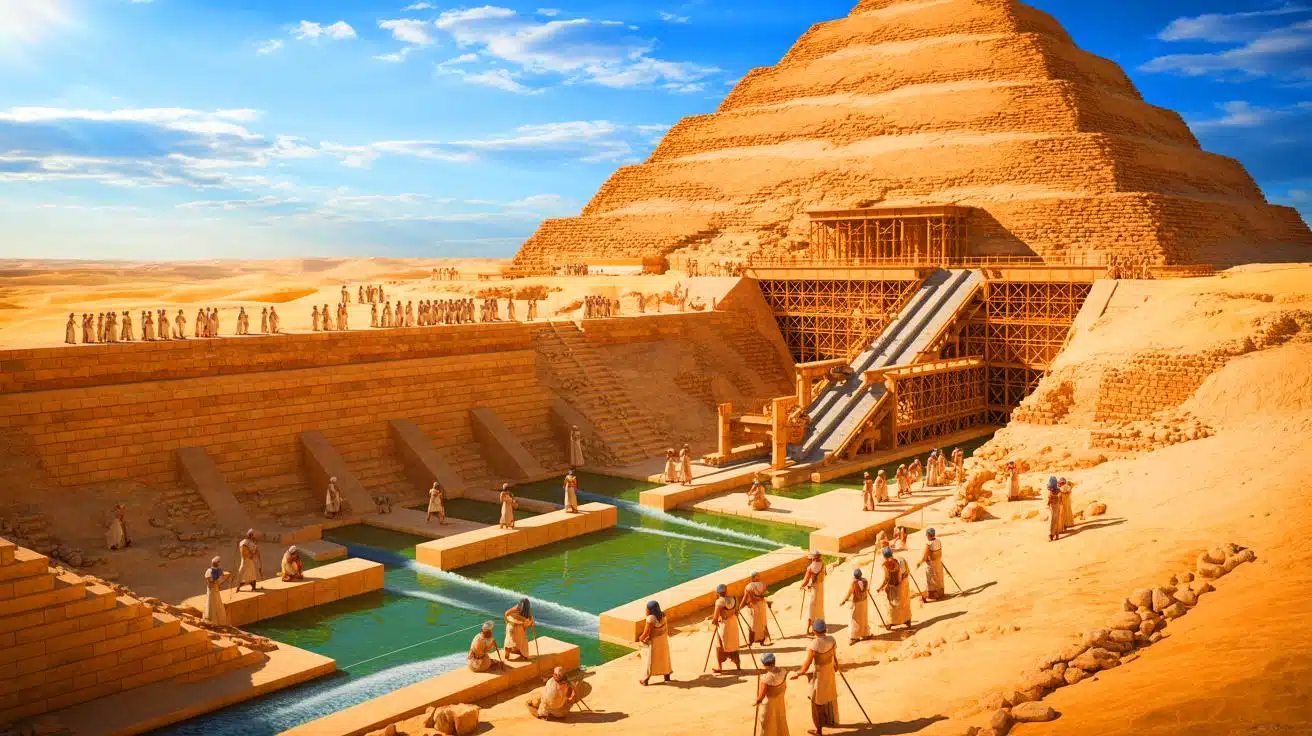
Ancient civilizations developed machines that seem astonishingly advanced given their era. These devices relied on gears, hydraulics, pneumatics, and precise mathematics long before industrial technology.

Greek Automata and Mechanical Wonders
Engineers like Heron of Alexandria designed automated temple doors, coin-operated machines, and mechanical theaters powered by steam and water pressure. These inventions blurred the line between science and magic.

Water Clocks and Timekeeping Devices
Clepsydras allowed ancient societies to measure time independently of the sun. Some were complex enough to regulate court proceedings, religious rituals, and astronomical observations.

The Antikythera Mechanism
Often called the world’s first analog computer, this device tracked planetary movements and eclipses using intricate bronze gears. Its sophistication rivals Renaissance engineering.

Lost Knowledge and Technological Gaps
Many of these technologies disappeared due to societal collapse, lack of mass production, or secrecy. Their existence forces historians to rethink linear narratives of technological progress.
← Sacred Animals That Ruled Early CivilizationsCave Paintings That Shouldn’t Exist →
Featured
image_2026-02-21_225457188.png
Feb 21, 2026
The Princess of Bagicz: Tree Rings Resolve the Age of a Rare Roman Iron Age Wooden Coffin
Feb 21, 2026
Read More →
Feb 21, 2026
image_2026-02-21_225058691.png
Feb 21, 2026
Tomb more than 1000 years old found in Panama
Feb 21, 2026
Read More →
Feb 21, 2026
image_2026-02-21_225024526.png
Feb 21, 2026
Jesus Wasn’t a Messiah, He Was a Naughty Mushroom Trip. According to This Theory, Anyway.
Feb 21, 2026
Read More →
Feb 21, 2026
image_2026-02-21_223943764.png
Feb 21, 2026
Eatery recreates ancient Roman pizza – without tomatoes or mozzarella
Feb 21, 2026
Read More →
Feb 21, 2026
image_2026-02-21_223536117.png
Feb 21, 2026
Archaeologists discover remains of '10-foot-tall people' in cave
Feb 21, 2026
Read More →
Feb 21, 2026
image_2026-02-21_223410851.png
Feb 21, 2026
Archaeology Students Dug Up a Mass Viking Grave—With a Literal Giant Inside
Feb 21, 2026
Read More →
Feb 21, 2026
read more

Powered by The archaeologist