• MAIN PAGE
  • LATEST NEWS
    • Lost Cities
    • Archaeology's Greatest Finds
    • Underwater Discoveries
    • Greatest Inventions
    • Studies
    • Blog
  • PHILOSOPHY
  • HISTORY
  • RELIGIONS
    • Africa
    • Anatolia
    • Arabian Peninsula
    • Balkan Region
    • China - East Asia
    • Europe
    • Eurasian Steppe
    • Levant
    • Mesopotamia
    • Oceania - SE Asia
    • Pre-Columbian Civilizations of America
    • Iranian Plateau - Central Asia
    • Indus Valley - South Asia
    • Japan
    • The Archaeologist Editor Group
    • Scientific Studies
    • Aegean Prehistory
    • Historical Period
    • Byzantine Middle Ages
    • Predynastic Period
    • Dynastic Period
    • Greco-Roman Egypt
  • Rome
  • PALEONTOLOGY
  • About us
Menu

The Archaeologist

  • MAIN PAGE
  • LATEST NEWS
  • DISCOVERIES
    • Lost Cities
    • Archaeology's Greatest Finds
    • Underwater Discoveries
    • Greatest Inventions
    • Studies
    • Blog
  • PHILOSOPHY
  • HISTORY
  • RELIGIONS
  • World Civilizations
    • Africa
    • Anatolia
    • Arabian Peninsula
    • Balkan Region
    • China - East Asia
    • Europe
    • Eurasian Steppe
    • Levant
    • Mesopotamia
    • Oceania - SE Asia
    • Pre-Columbian Civilizations of America
    • Iranian Plateau - Central Asia
    • Indus Valley - South Asia
    • Japan
    • The Archaeologist Editor Group
    • Scientific Studies
  • GREECE
    • Aegean Prehistory
    • Historical Period
    • Byzantine Middle Ages
  • Egypt
    • Predynastic Period
    • Dynastic Period
    • Greco-Roman Egypt
  • Rome
  • PALEONTOLOGY
  • About us

The Ancient Olympic Games

December 19, 2025

Origins, Events, and Significance in Ancient Greece

Introduction to the Games
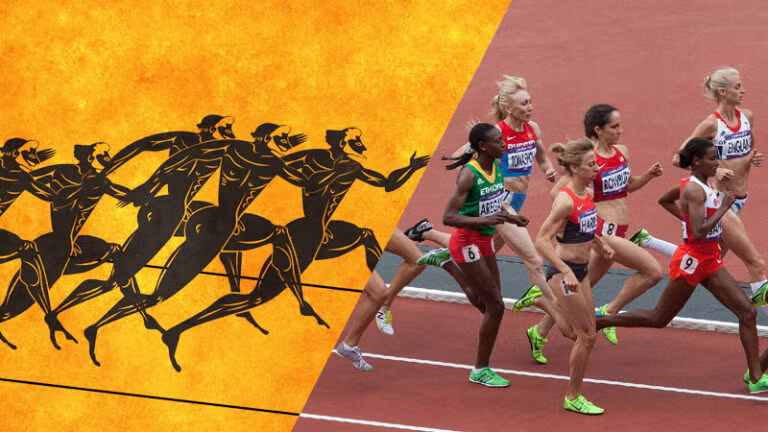
The Olympic Games began in 776 BCE at Olympia to honor Zeus. They became a central feature of Panhellenic culture, combining religious devotion, athletic competition, and political diplomacy.

Events and Competitions
Athletes competed in footraces, wrestling, javelin, discus, and chariot racing. Victory brought not only personal glory but also political prestige to the athlete’s city-state.

Religious Significance
Ceremonies included sacrifices and offerings to Zeus, linking athletic excellence to spiritual favor. Athletic prowess was considered a reflection of moral and physical virtue.

Cultural and Political Role
The games provided a temporary truce among warring city-states, facilitating diplomacy and exchange. They were also a platform to display wealth, honor heroes, and celebrate Greek identity.

Legacy of the Olympics
The Olympic tradition influenced later athletic festivals, inspired modern Olympic Games, and continues to represent ideals of excellence, unity, and competition.
← The God-Kings of Ancient EgyptThe Legend of the Minotaur and the Labyrinth →
Featured
image_2025-12-20_011100063.png
Dec 19, 2025
The Role of Myth in Sumerian Kingship
Dec 19, 2025
Read More →
Dec 19, 2025
image_2025-12-20_005333454.png
Dec 19, 2025
The Sacred Bull in Ancient Cultures
Dec 19, 2025
Read More →
Dec 19, 2025
image_2025-12-20_003537323.png
Dec 19, 2025
The Mystery of the Etruscans
Dec 19, 2025
Read More →
Dec 19, 2025
image_2025-12-20_002741288.png
Dec 19, 2025
The God-Kings of Ancient Egypt
Dec 19, 2025
Read More →
Dec 19, 2025
image_2025-12-20_002024096.png
Dec 19, 2025
The Ancient Olympic Games
Dec 19, 2025
Read More →
Dec 19, 2025
image_2025-12-20_001517638.png
Dec 19, 2025
The Legend of the Minotaur and the Labyrinth
Dec 19, 2025
Read More →
Dec 19, 2025
read more

Powered by The archaeologist