The Caves of Lascaux: Protecting the "Sistine Chapel of Prehistory"
The Lascaux Cave is one of the most important archaeological discoveries of the modern era. Often called the “Sistine Chapel of Prehistory,” it contains some of the finest examples of Paleolithic cave paintings ever found. Discovered in 1940 in France, the cave dates back around 17,000 years to the Upper Paleolithic period.
These paintings provide a rare and detailed look into the minds, beliefs, and artistic abilities of early humans. However, preserving them has proven to be a major challenge.
1. Discovery of the Cave
The discovery of Lascaux was accidental but historic.
1940 Discovery: Found by four teenagers exploring the countryside.
Hidden Entrance: A fallen tree revealed a narrow opening leading inside.
Immediate Significance: Archaeologists quickly recognized the importance of the artwork.
Public Opening: The cave was opened to visitors shortly after World War II.
This marked the beginning of global fascination with prehistoric art.
2. The Art of Lascaux
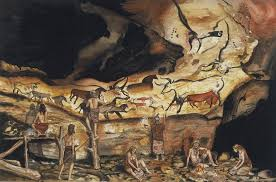
The cave contains over 600 paintings and thousands of engravings.
Animal Figures: Horses, deer, bulls, and bison dominate the walls.
Dynamic Movement: Animals are shown in motion, suggesting advanced observation skills.
Use of Color: Pigments like ochre, charcoal, and minerals were used.
Famous Chamber: The “Hall of the Bulls” features massive, detailed figures.
These artworks show that early humans had strong artistic and symbolic abilities, not just survival skills.
3. Meaning and Interpretation
The purpose of the paintings is still debated.
Hunting Magic Theory: Paintings may have been used to ensure hunting success.
Spiritual Beliefs: Some suggest ritual or religious significance.
Shamanism: Possible link to trance or spiritual practices.
Storytelling: May represent early forms of communication or teaching.
There is no single explanation, showing the complexity of prehistoric culture.
4. The Threat of Human Exposure
Opening the cave to the public caused serious damage.
Tourism Impact: Thousands of visitors entered daily.
Carbon Dioxide: Breathing altered the cave’s atmosphere.
Humidity Changes: Moisture encouraged mold and algae growth.
Microbial Damage: Green and black stains began appearing on the walls.
By the 1950s, the paintings were already deteriorating.
5. Closure and Preservation Efforts
To protect the cave, drastic action was taken.
1963 Closure: The cave was closed to the public.
Scientific Monitoring: Experts controlled temperature and humidity.
Cleaning Efforts: Microbial growth was carefully removed.
Strict Access: Only researchers are allowed inside today.
These efforts aim to preserve the paintings for future generations.
6. Replicas and Public Access
Since the original cave is closed, replicas were created.
Lascaux II: A partial replica opened in 1983.
Lascaux IV: A full-scale modern reproduction using advanced technology.
Educational Value: Allows people to experience the art without damaging the original.
Tourism Alternative: Protects the site while maintaining public interest.
These replicas balance preservation with accessibility.
7. Historical Significance
Lascaux proves that early humans were capable of complex thought, creativity, and symbolic expression. It challenges the idea that prehistoric people were primitive.
The cave also highlights the importance of conservation. Human curiosity can unintentionally damage the very history we want to preserve.