• MAIN PAGE
  • LATEST NEWS
    • Lost Cities
    • Archaeology's Greatest Finds
    • Underwater Discoveries
    • Greatest Inventions
    • Studies
    • Blog
  • PHILOSOPHY
  • HISTORY
  • RELIGIONS
    • Africa
    • Anatolia
    • Arabian Peninsula
    • Balkan Region
    • China - East Asia
    • Europe
    • Eurasian Steppe
    • Levant
    • Mesopotamia
    • Oceania - SE Asia
    • Pre-Columbian Civilizations of America
    • Iranian Plateau - Central Asia
    • Indus Valley - South Asia
    • Japan
    • The Archaeologist Editor Group
    • Scientific Studies
    • Aegean Prehistory
    • Historical Period
    • Byzantine Middle Ages
    • Predynastic Period
    • Dynastic Period
    • Greco-Roman Egypt
  • Rome
  • PALEONTOLOGY
  • About us
Menu

The Archaeologist

  • MAIN PAGE
  • LATEST NEWS
  • DISCOVERIES
    • Lost Cities
    • Archaeology's Greatest Finds
    • Underwater Discoveries
    • Greatest Inventions
    • Studies
    • Blog
  • PHILOSOPHY
  • HISTORY
  • RELIGIONS
  • World Civilizations
    • Africa
    • Anatolia
    • Arabian Peninsula
    • Balkan Region
    • China - East Asia
    • Europe
    • Eurasian Steppe
    • Levant
    • Mesopotamia
    • Oceania - SE Asia
    • Pre-Columbian Civilizations of America
    • Iranian Plateau - Central Asia
    • Indus Valley - South Asia
    • Japan
    • The Archaeologist Editor Group
    • Scientific Studies
  • GREECE
    • Aegean Prehistory
    • Historical Period
    • Byzantine Middle Ages
  • Egypt
    • Predynastic Period
    • Dynastic Period
    • Greco-Roman Egypt
  • Rome
  • PALEONTOLOGY
  • About us
No results found

The Earliest Evidence of Human Spirituality

March 24, 2026

Signs of Belief in Prehistory

Long before written records, humans expressed spiritual ideas through actions and symbols.

These early signs provide clues about the origins of religion.

Ritual Sites and Objects

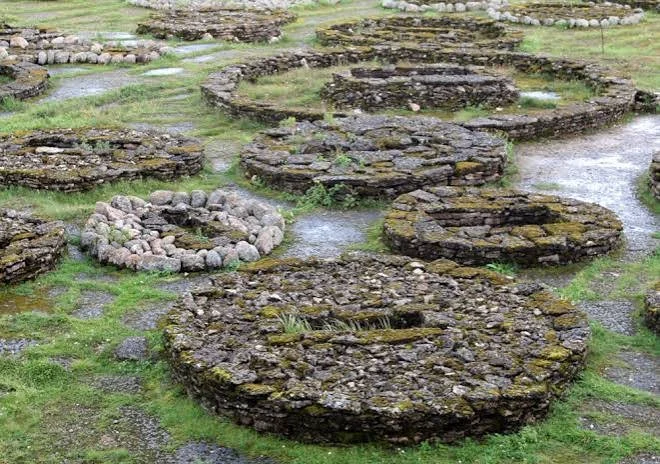
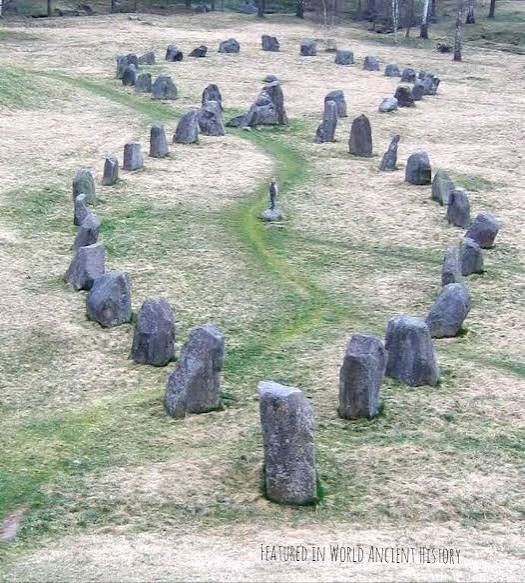
Archaeologists have discovered sites that appear to have been used for rituals.

Objects such as figurines, carvings, and decorated tools suggest symbolic meaning.

Cave Markings

Cave art often includes animals, human figures, and abstract symbols.

These images may represent beliefs, stories, or rituals.

Burial Practices

Careful burial of the dead suggests belief in an afterlife.

Grave goods indicate that people thought life continued beyond death.

The Birth of Spiritual Thought

These early practices show that humans have long sought to understand the unknown.

They mark the beginning of organized belief systems.
← Ancient Pottery That Reveals Lost CulturesThe Sacred Mathematics Behind Ancient Architecture →
Featured
image_2026-05-06_231204842.png
May 6, 2026
The Discovery of Troy: How Schliemann’s Obsession Changed Archaeology
May 6, 2026
Read More →
May 6, 2026
image_2026-05-06_230829515.png
May 6, 2026
Ancient Sumerian Cylinder Seals: The Tiny Masterpieces of Mesopotamia
May 6, 2026
Read More →
May 6, 2026
image_2026-05-06_230748904.png
May 6, 2026
The Nazca Puquios: Ancient Hydraulic Systems That Still Work Today
May 6, 2026
Read More →
May 6, 2026
image_2026-05-06_231132977.png
May 6, 2026
Roman Military Camps: Life on the Limes of the Danube River
May 6, 2026
Read More →
May 6, 2026
image_2026-05-04_225440373.png
May 6, 2026
The Maya Blue Pigment: The Chemistry of an Ancient Artistic Miracle
May 6, 2026
Read More →
May 6, 2026
image_2026-05-04_225323051.png
May 6, 2026
Viking Trade Routes: From the Fjords of Norway to the Markets of Baghdad
May 6, 2026
Read More →
May 6, 2026
read more

Powered by The archaeologist