• MAIN PAGE
  • LATEST NEWS
    • Lost Cities
    • Archaeology's Greatest Finds
    • Underwater Discoveries
    • Greatest Inventions
    • Studies
    • Blog
  • PHILOSOPHY
  • HISTORY
  • RELIGIONS
    • Africa
    • Anatolia
    • Arabian Peninsula
    • Balkan Region
    • China - East Asia
    • Europe
    • Eurasian Steppe
    • Levant
    • Mesopotamia
    • Oceania - SE Asia
    • Pre-Columbian Civilizations of America
    • Iranian Plateau - Central Asia
    • Indus Valley - South Asia
    • Japan
    • The Archaeologist Editor Group
    • Scientific Studies
    • Aegean Prehistory
    • Historical Period
    • Byzantine Middle Ages
    • Predynastic Period
    • Dynastic Period
    • Greco-Roman Egypt
  • Rome
  • PALEONTOLOGY
  • About us
Menu

The Archaeologist

  • MAIN PAGE
  • LATEST NEWS
  • DISCOVERIES
    • Lost Cities
    • Archaeology's Greatest Finds
    • Underwater Discoveries
    • Greatest Inventions
    • Studies
    • Blog
  • PHILOSOPHY
  • HISTORY
  • RELIGIONS
  • World Civilizations
    • Africa
    • Anatolia
    • Arabian Peninsula
    • Balkan Region
    • China - East Asia
    • Europe
    • Eurasian Steppe
    • Levant
    • Mesopotamia
    • Oceania - SE Asia
    • Pre-Columbian Civilizations of America
    • Iranian Plateau - Central Asia
    • Indus Valley - South Asia
    • Japan
    • The Archaeologist Editor Group
    • Scientific Studies
  • GREECE
    • Aegean Prehistory
    • Historical Period
    • Byzantine Middle Ages
  • Egypt
    • Predynastic Period
    • Dynastic Period
    • Greco-Roman Egypt
  • Rome
  • PALEONTOLOGY
  • About us

The Enigma of the Phaistos Disc

December 4, 2025

Unraveling the Mystery of a Minoan Artifact

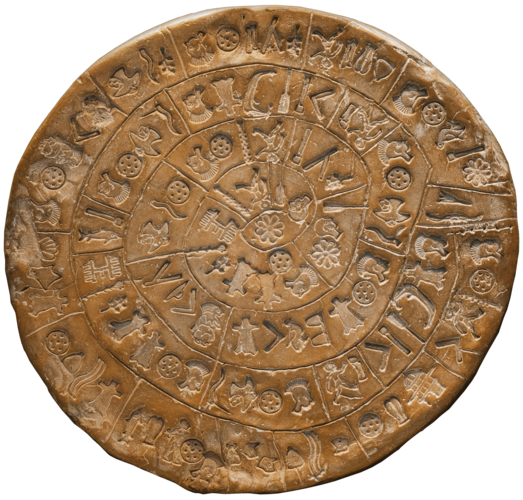
The Phaistos Disc, discovered in Crete in 1908, remains one of archaeology’s greatest puzzles. This clay disc, dating to around 1700 B.C., features 241 stamped symbols arranged in a spiral, representing an undeciphered script.

Theories About Its Purpose
Scholars speculate it could be a religious text, a calendar, or a ceremonial object. Its symbols differ from other Minoan scripts, deepening the mystery.

Significance of the Disc
The disc demonstrates the complexity of Minoan writing and record-keeping. Despite over a century of study, it resists translation, highlighting both the ingenuity of the Minoans and the challenges of understanding lost languages.

Cultural Impact
The Phaistos Disc remains a symbol of ancient creativity and enigma, inspiring ongoing research and fascination among linguists, historians, and enthusiasts.


← The Role of Honey in Ancient Medicine and RitualsThe Oldest Known Surgical Procedures in History →
Featured
image_2025-12-04_225351242.png
Dec 4, 2025
The Construction Techniques of Ancient Megaliths
Dec 4, 2025
Read More →
Dec 4, 2025
image_2025-12-04_225310269.png
Dec 4, 2025
The Mysterious Handprints in Ancient Caves
Dec 4, 2025
Read More →
Dec 4, 2025
image_2025-12-04_224759090.png
Dec 4, 2025
The Role of Sacred Trees in Ancient Religions
Dec 4, 2025
Read More →
Dec 4, 2025
image_2025-12-04_224648150.png
Dec 4, 2025
The Lost Language of the Indus Valley Civilization
Dec 4, 2025
Read More →
Dec 4, 2025
image_2025-12-04_224539650.png
Dec 4, 2025
The Ancient Cult of the Serpent Across Civilizations
Dec 4, 2025
Read More →
Dec 4, 2025
image_2025-12-04_223446946.png
Dec 4, 2025
The Role of Astrology in the Rise and Fall of Empires
Dec 4, 2025
Read More →
Dec 4, 2025
read more

Powered by The archaeologist