A Revolutionary Discovery
The development of bronze was one of the most transformative innovations in human history. By combining copper with a small amount of tin, early metallurgists created a material that was significantly stronger and more durable than either metal alone. This breakthrough marked the beginning of what is now known as the Bronze Age—a period defined by technological advancement and social change.
The discovery of bronze did not happen by chance. It was the result of careful experimentation and observation. Early metalworkers learned how different materials behaved under heat and discovered that combining them could produce entirely new properties. This knowledge required both skill and creativity, making metallurgists some of the most important figures in their societies.
The Rise of Bronze Production
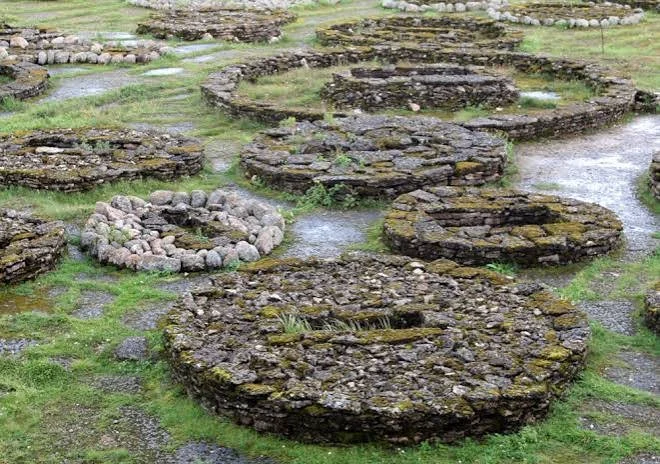
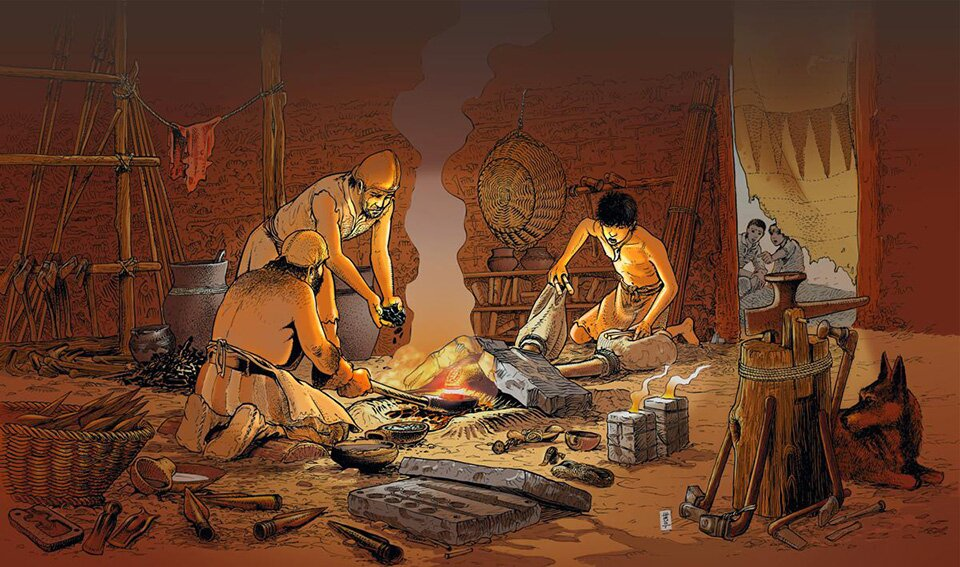
As the use of bronze spread, so did the need for specialized knowledge. Metallurgy became a respected craft, often practiced by skilled artisans who spent years mastering their techniques. These craftsmen understood how to extract metal from ore, control high-temperature furnaces, and shape molten bronze into tools, weapons, and decorative objects.
The production of bronze also encouraged the growth of trade networks. Copper and tin were not always found in the same locations, so communities had to establish connections with distant regions to obtain the necessary materials. This exchange of resources led to increased interaction between cultures, spreading ideas and technologies across vast areas.
In many cases, control over metal resources became a source of power. Communities that had access to copper and tin—or the knowledge to work them—held significant economic and political influence.
Impact on Warfare
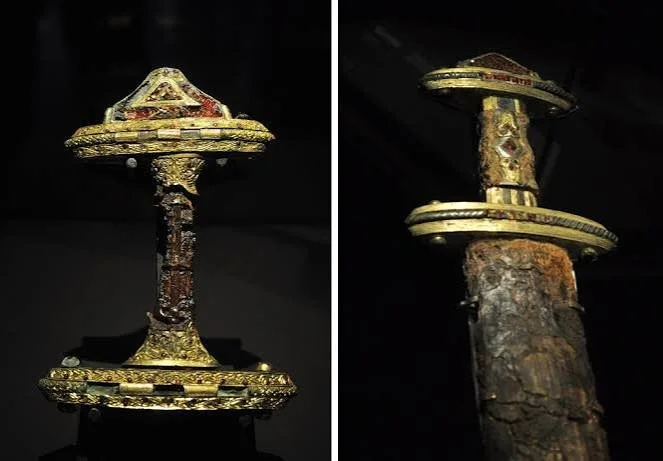
One of the most immediate effects of bronze technology was seen in warfare. Bronze weapons were stronger, sharper, and more reliable than those made from stone or pure copper. Swords, axes, and spearheads could now withstand repeated use without breaking, giving warriors a clear advantage in battle.
The introduction of bronze weapons led to changes in military organization. Armies became more structured, with specialized roles and improved equipment. Armor made from bronze provided better protection, increasing the effectiveness of soldiers on the battlefield.
As a result, conflicts became more intense and strategic. Societies that mastered bronze production often expanded their territories, using their technological advantage to dominate neighboring regions.
Transformation of Society
Beyond its impact on warfare, bronze played a crucial role in everyday life. Farmers benefited from stronger tools that made it easier to cultivate land and harvest crops. Builders used bronze implements to shape wood and stone, improving the quality of construction.
Artisans also used bronze to create intricate works of art, including statues, jewelry, and ceremonial objects. These items were not only functional but also symbolic, reflecting religious beliefs and social status.
The widespread use of bronze contributed to the growth of cities and the development of complex societies. With improved tools and resources, communities could produce surplus goods, support larger populations, and establish organized systems of governance.
Cultural and Economic Influence
The Bronze Age was a time of cultural flourishing. Trade routes expanded, connecting distant civilizations and allowing for the exchange of ideas, goods, and traditions. This interaction led to the spread of innovations and the blending of cultural practices.
Bronze objects often held significant value, serving as both practical tools and symbols of wealth. Owning bronze items could indicate status and power, further reinforcing social hierarchies.
At the same time, the demand for metal resources encouraged exploration and expansion. Communities sought new sources of copper and tin, leading to the discovery of new lands and the establishment of trade relationships.
A Lasting Legacy
Although the Bronze Age eventually gave way to the Iron Age, the impact of bronze technology remains significant. It marked a major step forward in human innovation, demonstrating the ability to manipulate natural resources to create something entirely new.
The achievements of early metallurgists laid the foundation for future advancements in science, engineering, and industry. Their work shows how a single discovery can reshape societies, influence cultures, and change the course of history.