Sacred Journeys with Purpose
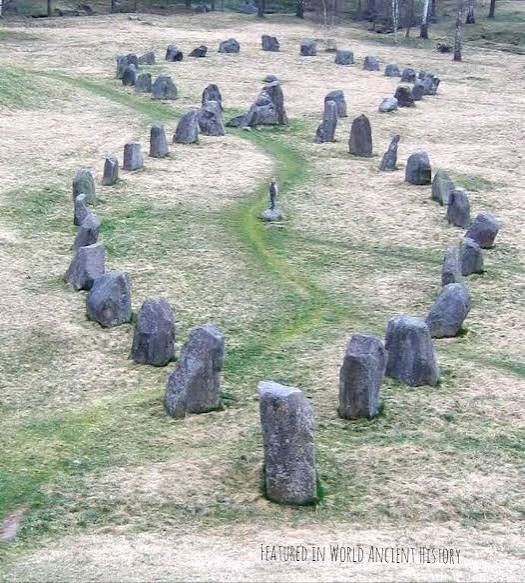
In many ancient civilizations, the journey to a sacred site was just as important as the destination itself. Ritual pathways were carefully designed routes that guided worshippers toward temples, shrines, or burial grounds. These paths were not random—they were intentional, meaningful, and often deeply spiritual.
Walking along these pathways was seen as a transition. People believed they were leaving behind the ordinary world and entering a sacred realm. This transformation made the act of walking itself a form of ritual.
Symbolism in Every Step
Every element of these pathways carried symbolic meaning. Some were aligned with the rising or setting sun, connecting the journey to cosmic cycles. Others mirrored mythological stories, allowing worshippers to symbolically follow in the footsteps of gods or ancestors.
The length, direction, and even elevation of the path often reflected spiritual ideas such as purification, rebirth, or enlightenment. In some cultures, long processional roads represented a gradual approach to the divine, emphasizing patience and devotion.
Architectural and Cultural Significance
Ritual pathways were often constructed with impressive attention to detail. Many were paved with stone, lined with statues, or marked by pillars and gateways. These features served both practical and symbolic purposes—guiding visitors while also reinforcing the sacred nature of the journey.
Some pathways included stopping points where ceremonies or offerings took place. These pauses allowed participants to prepare themselves mentally and spiritually before continuing.
Connection to Major Temples
These ceremonial routes strengthened the connection between communities and their religious centers. During festivals and special occasions, large groups would walk these paths together, creating a shared spiritual experience.
In this way, ritual pathways were more than physical structures—they were expressions of belief, identity, and cultural unity.