• MAIN PAGE
  • LATEST NEWS
    • Lost Cities
    • Archaeology's Greatest Finds
    • Underwater Discoveries
    • Greatest Inventions
    • Studies
    • Blog
  • PHILOSOPHY
  • HISTORY
  • RELIGIONS
    • Africa
    • Anatolia
    • Arabian Peninsula
    • Balkan Region
    • China - East Asia
    • Europe
    • Eurasian Steppe
    • Levant
    • Mesopotamia
    • Oceania - SE Asia
    • Pre-Columbian Civilizations of America
    • Iranian Plateau - Central Asia
    • Indus Valley - South Asia
    • Japan
    • The Archaeologist Editor Group
    • Scientific Studies
    • Aegean Prehistory
    • Historical Period
    • Byzantine Middle Ages
    • Predynastic Period
    • Dynastic Period
    • Greco-Roman Egypt
  • Rome
  • PALEONTOLOGY
  • About us
Menu

The Archaeologist

  • MAIN PAGE
  • LATEST NEWS
  • DISCOVERIES
    • Lost Cities
    • Archaeology's Greatest Finds
    • Underwater Discoveries
    • Greatest Inventions
    • Studies
    • Blog
  • PHILOSOPHY
  • HISTORY
  • RELIGIONS
  • World Civilizations
    • Africa
    • Anatolia
    • Arabian Peninsula
    • Balkan Region
    • China - East Asia
    • Europe
    • Eurasian Steppe
    • Levant
    • Mesopotamia
    • Oceania - SE Asia
    • Pre-Columbian Civilizations of America
    • Iranian Plateau - Central Asia
    • Indus Valley - South Asia
    • Japan
    • The Archaeologist Editor Group
    • Scientific Studies
  • GREECE
    • Aegean Prehistory
    • Historical Period
    • Byzantine Middle Ages
  • Egypt
    • Predynastic Period
    • Dynastic Period
    • Greco-Roman Egypt
  • Rome
  • PALEONTOLOGY
  • About us

The First People Who Tried to Measure Time

January 6, 2026

Time as a Sacred Force
Early humans viewed time not as an abstract measurement but as a living cycle governed by celestial forces. Tracking time meant understanding the will of the gods and the rhythms of nature.

Solar and Lunar Observations
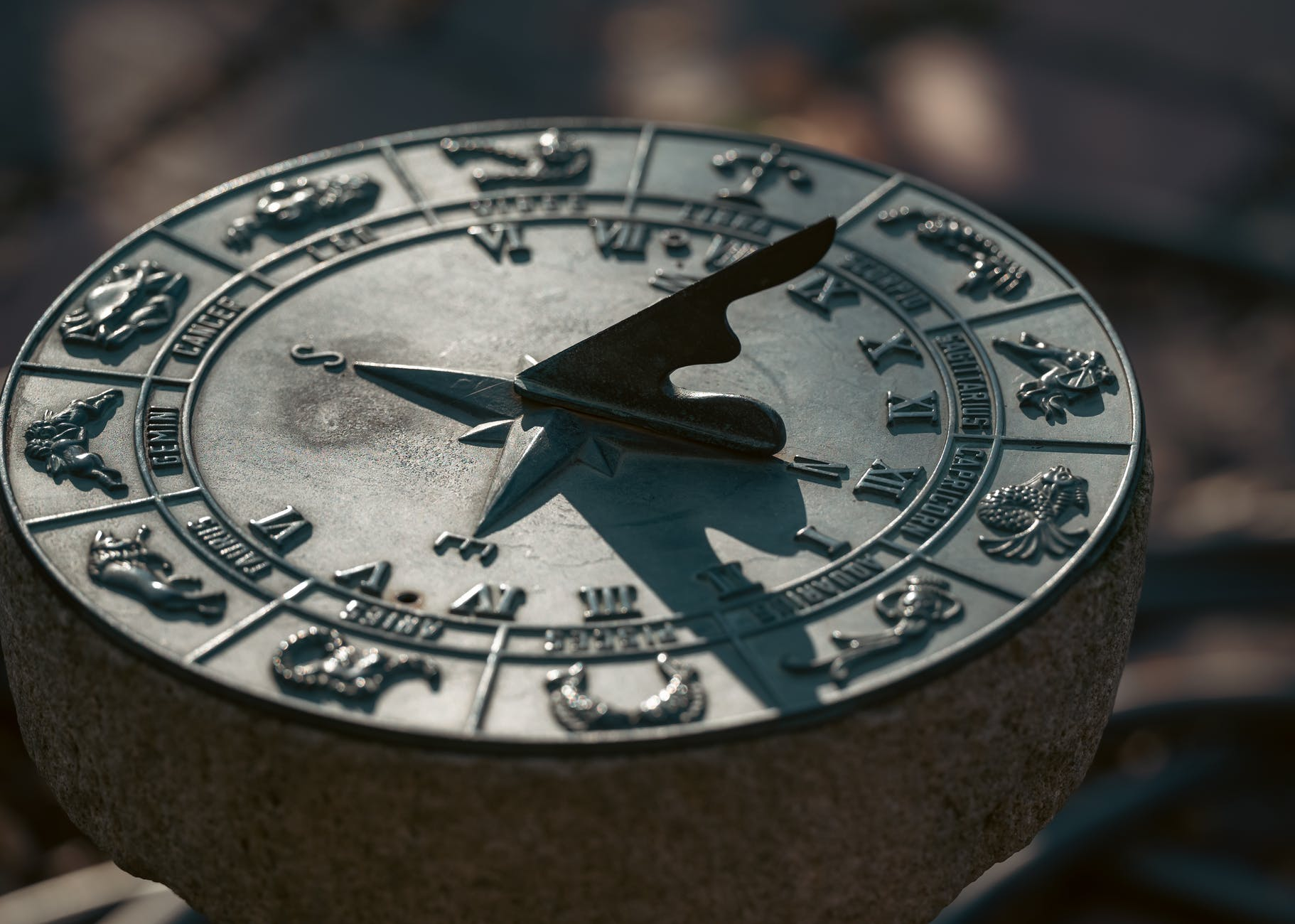
Stone circles, shadow markers, and horizon alignments allowed ancient observers to track solstices, equinoxes, and lunar cycles with remarkable accuracy.

Calendars and Agriculture
Timekeeping was essential for planting and harvesting. The earliest calendars linked celestial events to seasonal changes, ensuring survival.

Priests as Timekeepers
Those who understood time gained immense power. Priest-astronomers regulated festivals, rituals, and royal ceremonies, controlling society’s rhythm.

The Birth of History
Once time could be measured, it could be recorded. This transition transformed myth into chronology and marked humanity’s first step toward written history.
← Ancient Mosaic Room Featuring “Solomon’s Knot” Unearthed in Smyrna to Ward Off the Evil EyeSacred Animals That Ruled Early Civilizations →
Featured
image_2026-01-07_205027402.png
Jan 7, 2026
New Fossil Analysis Suggests This Seven-Million-Year-Old Primate Walked on Two Legs, Potentially Making It the Oldest Known Human Ancestor
Jan 7, 2026
Read More →
Jan 7, 2026
image_2026-01-07_204829841.png
Jan 7, 2026
And finally… gilt trip
Jan 7, 2026
Read More →
Jan 7, 2026
image_2026-01-07_204703342.png
Jan 7, 2026
Powick Old Bridge delay over removing driftwood and trees
Jan 7, 2026
Read More →
Jan 7, 2026
image_2026-01-07_203506777.png
Jan 7, 2026
The dinosaur secrets found in the archives of a natural history museum
Jan 7, 2026
Read More →
Jan 7, 2026
image_2026-01-07_202322353.png
Jan 7, 2026
From Mycenaean Frescoes to Hellenistic Sculpture: Women’s Research in the Early Years of the ABSA
Jan 7, 2026
Read More →
Jan 7, 2026
image_2026-01-07_201558549.png
Jan 7, 2026
Decoding the First Farmers: A 12,000-Year-Old DNA Map Emerges from Çayönü in Türkiye
Jan 7, 2026
Read More →
Jan 7, 2026
read more

Powered by The archaeologist