• MAIN PAGE
  • LATEST NEWS
    • Lost Cities
    • Archaeology's Greatest Finds
    • Underwater Discoveries
    • Greatest Inventions
    • Studies
    • Blog
  • PHILOSOPHY
  • HISTORY
  • RELIGIONS
    • Africa
    • Anatolia
    • Arabian Peninsula
    • Balkan Region
    • China - East Asia
    • Europe
    • Eurasian Steppe
    • Levant
    • Mesopotamia
    • Oceania - SE Asia
    • Pre-Columbian Civilizations of America
    • Iranian Plateau - Central Asia
    • Indus Valley - South Asia
    • Japan
    • The Archaeologist Editor Group
    • Scientific Studies
    • Aegean Prehistory
    • Historical Period
    • Byzantine Middle Ages
    • Predynastic Period
    • Dynastic Period
    • Greco-Roman Egypt
  • Rome
  • PALEONTOLOGY
  • About us
Menu

The Archaeologist

  • MAIN PAGE
  • LATEST NEWS
  • DISCOVERIES
    • Lost Cities
    • Archaeology's Greatest Finds
    • Underwater Discoveries
    • Greatest Inventions
    • Studies
    • Blog
  • PHILOSOPHY
  • HISTORY
  • RELIGIONS
  • World Civilizations
    • Africa
    • Anatolia
    • Arabian Peninsula
    • Balkan Region
    • China - East Asia
    • Europe
    • Eurasian Steppe
    • Levant
    • Mesopotamia
    • Oceania - SE Asia
    • Pre-Columbian Civilizations of America
    • Iranian Plateau - Central Asia
    • Indus Valley - South Asia
    • Japan
    • The Archaeologist Editor Group
    • Scientific Studies
  • GREECE
    • Aegean Prehistory
    • Historical Period
    • Byzantine Middle Ages
  • Egypt
    • Predynastic Period
    • Dynastic Period
    • Greco-Roman Egypt
  • Rome
  • PALEONTOLOGY
  • About us

The First Recorded Plague in History

December 4, 2025

Early Epidemics and How They Reshaped Civilizations

Long before modern pandemics, ancient societies struggled with widespread diseases that altered politics, economics, and culture.

The Plague of Athens

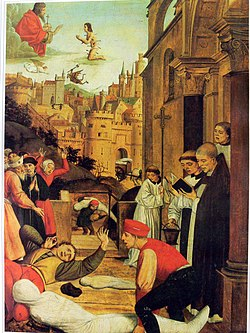
One of the earliest well-documented epidemics struck Athens in 430 BCE during the Peloponnesian War. The disease spread rapidly through the crowded city, killing thousands including soldiers, civilians, and eventually the statesman Pericles.

The plague weakened Athens militarily and politically, contributing to its eventual defeat.

Early Epidemics in Egypt and Mesopotamia

Ancient writings from the Near East describe outbreaks that halted trade, disrupted farming, and caused social unrest. Some epidemics lasted years, leaving entire regions depopulated and vulnerable to invasion.

Long-Term Consequences

Early plagues reshaped society in several ways:

  • Labor shortages changed economic structures.

  • Religious responses shifted as people sought explanations or divine protection.

  • Political instability increased as leaders struggled to manage crises.

These early pandemics remind us that disease has always played a major role in shaping human civilization.


← The Legend of the Holy Grail: Origins and MeaningThe Role of Elephants in Ancient Warfare →
Featured
image_2025-12-04_181003218.png
Dec 4, 2025
The Role of Poison in Ancient Politics
Dec 4, 2025
Read More →
Dec 4, 2025
image_2025-12-04_175904323.png
Dec 4, 2025
The Secret Tunnels of the Knights Templar
Dec 4, 2025
Read More →
Dec 4, 2025
image_2025-12-04_175640684.png
Dec 4, 2025
The Discovery of the Sutton Hoo Ship Burial
Dec 4, 2025
Read More →
Dec 4, 2025
image_2025-12-04_175548102.png
Dec 4, 2025
The Role of Pirates in Ancient Civilizations
Dec 4, 2025
Read More →
Dec 4, 2025
image_2025-12-04_174641454.png
Dec 4, 2025
The Story of Gilgamesh: The World’s First Epic
Dec 4, 2025
Read More →
Dec 4, 2025
image_2025-12-04_174516449.png
Dec 4, 2025
The Influence of Mesopotamian Myths on Later Religions
Dec 4, 2025
Read More →
Dec 4, 2025
read more

Powered by The archaeologist