• MAIN PAGE
  • LATEST NEWS
    • Lost Cities
    • Archaeology's Greatest Finds
    • Underwater Discoveries
    • Greatest Inventions
    • Studies
    • Blog
  • PHILOSOPHY
  • HISTORY
  • RELIGIONS
    • Africa
    • Anatolia
    • Arabian Peninsula
    • Balkan Region
    • China - East Asia
    • Europe
    • Eurasian Steppe
    • Levant
    • Mesopotamia
    • Oceania - SE Asia
    • Pre-Columbian Civilizations of America
    • Iranian Plateau - Central Asia
    • Indus Valley - South Asia
    • Japan
    • The Archaeologist Editor Group
    • Scientific Studies
    • Aegean Prehistory
    • Historical Period
    • Byzantine Middle Ages
    • Predynastic Period
    • Dynastic Period
    • Greco-Roman Egypt
  • Rome
  • PALEONTOLOGY
  • About us
Menu

The Archaeologist

  • MAIN PAGE
  • LATEST NEWS
  • DISCOVERIES
    • Lost Cities
    • Archaeology's Greatest Finds
    • Underwater Discoveries
    • Greatest Inventions
    • Studies
    • Blog
  • PHILOSOPHY
  • HISTORY
  • RELIGIONS
  • World Civilizations
    • Africa
    • Anatolia
    • Arabian Peninsula
    • Balkan Region
    • China - East Asia
    • Europe
    • Eurasian Steppe
    • Levant
    • Mesopotamia
    • Oceania - SE Asia
    • Pre-Columbian Civilizations of America
    • Iranian Plateau - Central Asia
    • Indus Valley - South Asia
    • Japan
    • The Archaeologist Editor Group
    • Scientific Studies
  • GREECE
    • Aegean Prehistory
    • Historical Period
    • Byzantine Middle Ages
  • Egypt
    • Predynastic Period
    • Dynastic Period
    • Greco-Roman Egypt
  • Rome
  • PALEONTOLOGY
  • About us

The Role of Elephants in Ancient Warfare

December 4, 2025

How Persians, Indians, and Carthaginians Used War Elephants in Battle

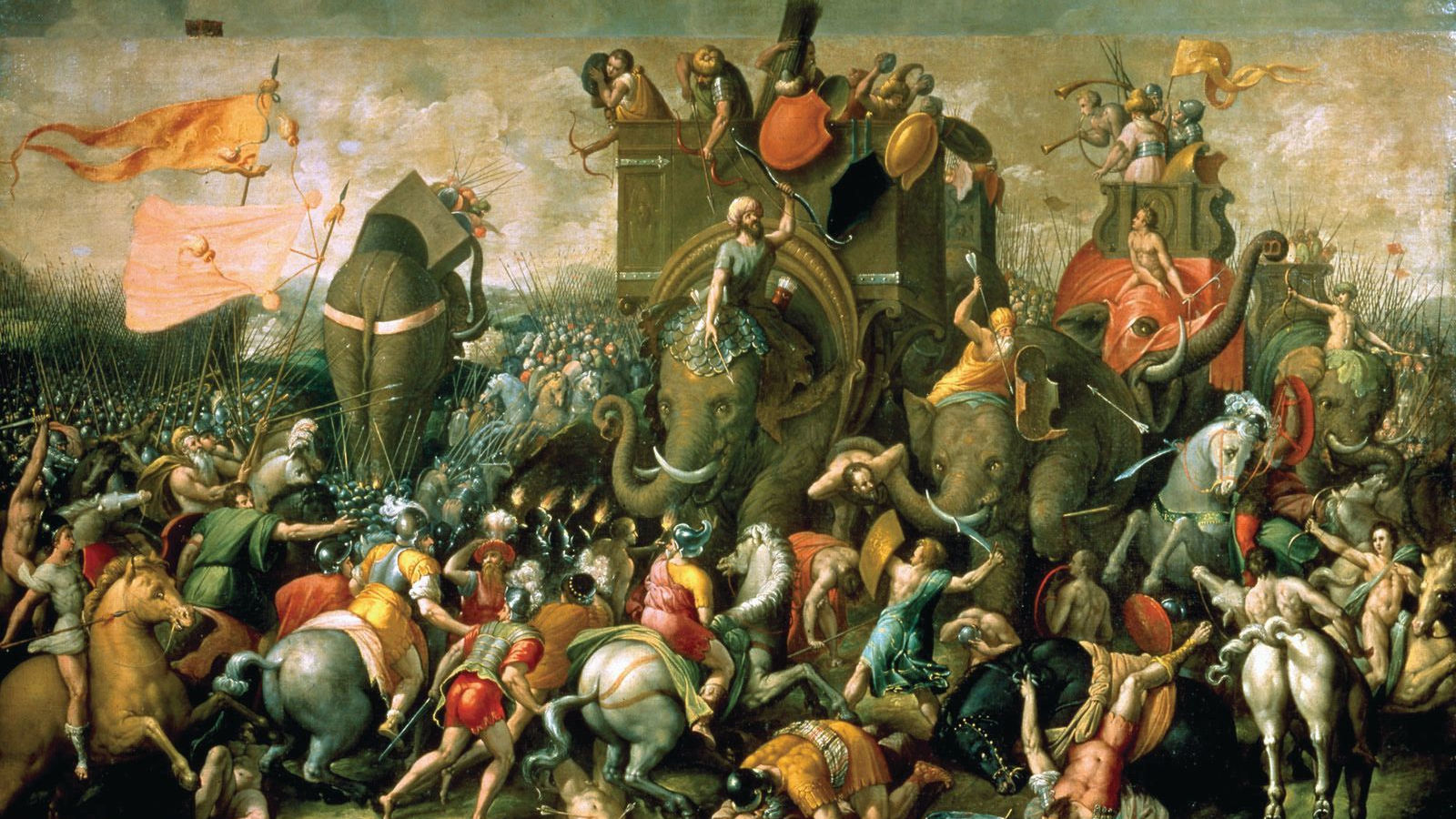
War elephants were among the most imposing forces in ancient warfare. With their height, strength, and intimidating presence, they could break enemy lines and cause chaos long before the fighting began.

India: Home of the Earliest War Elephants

India was the birthplace of organized elephant warfare. Kings trained elephants to carry archers, trample opponents, and act as mobile towers during battle. Their deep roars and massive size terrified infantry.

Elephant units became symbols of royal authority and were often placed at the forefront of armies.

Persia: A Powerful Military Asset

The Achaemenid and later Persian empires adopted war elephants after encountering them in India. These animals became a key part of their strategy, especially when facing Greek and Roman forces unused to such creatures.

Persian generals used elephants to protect flanks, intimidate cavalry, and break defensive formations.

Carthage: Hannibal’s Legendary Elephant Corps

Carthage is perhaps the most famous Western power to use war elephants. Hannibal’s decision to lead elephants across the Alps stands as one of history’s most daring military feats. On the battlefield, they acted as shock troops, disrupting Roman ranks and causing psychological panic.

Although difficult to train and maintain, war elephants left a lasting legacy in ancient military history.


← The First Recorded Plague in HistoryThe Mysterious Nazca Lines: Messages to the Gods? →
Featured
image_2026-04-15_232853833.png
Apr 17, 2026
The Sutton Hoo Helmet: Symbolism and Power in Anglo-Saxon England
Apr 17, 2026
Read More →
Apr 17, 2026
image_2026-04-15_232812659.png
Apr 17, 2026
Neanderthal Art: Challenging the Notion of Our "Primitive" Cousins
Apr 17, 2026
Read More →
Apr 17, 2026
image_2026-04-15_232658559.png
Apr 17, 2026
The Mystery of the Moai: How the Rapa Nui Truly Moved Their Giants
Apr 17, 2026
Read More →
Apr 17, 2026
image_2026-04-15_232557087.png
Apr 17, 2026
Lost Civilizations of the Sahara: Evidence of a Once-Green Desert Empire
Apr 17, 2026
Read More →
Apr 17, 2026
image_2026-04-15_232332327.png
Apr 17, 2026
The Voynich Manuscript: New Linguistic Approaches to History’s Most Mysterious Book
Apr 17, 2026
Read More →
Apr 17, 2026
image_2026-04-15_223718373.png
Apr 17, 2026
Archaeologists Unearthed a 6,200-Year-Old Megastructure. Its Purpose Is Still a Mystery.
Apr 17, 2026
Read More →
Apr 17, 2026
read more

Powered by The archaeologist