Competition as a Human Tradition
The desire to compete is deeply rooted in human nature. Long before organized sports leagues or international competitions, ancient societies held athletic events that tested strength, skill, and endurance. These early competitions were more than just games—they were expressions of culture, identity, and belief.
Sports brought people together, creating shared experiences that strengthened communities. They also provided a way to celebrate physical ability and honor individuals who excelled.
Early Forms of Competition
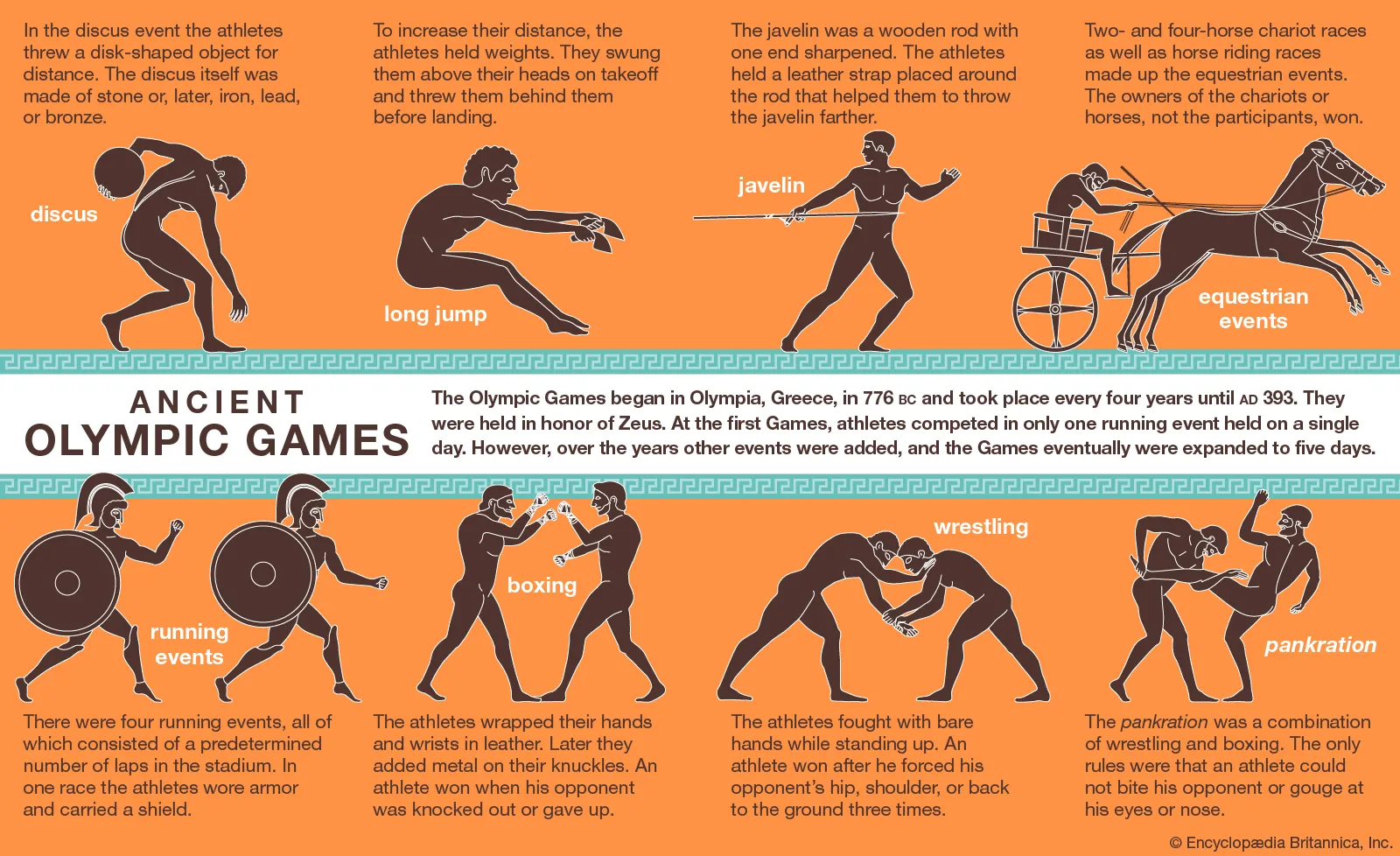
The earliest sports were simple and often connected to everyday survival skills. Running, jumping, wrestling, and throwing were common activities that mirrored hunting, fighting, and physical labor.
Over time, these activities became more structured. Rules were established, and events were organized into formal competitions. Participants trained and prepared, turning physical activity into a form of performance.
Some competitions were local, while others attracted participants from different regions. This created opportunities for interaction and rivalry between communities.
Organization and Rules
Ancient sports were not chaotic—they followed clear rules and structures. Events were often divided into categories based on skill or type of activity. Judges or officials ensured fairness, and winners were recognized for their achievements.
Training became an important part of preparation. Athletes practiced regularly, developing strength, technique, and discipline. This focus on improvement reflects an early understanding of physical development.
Cultural and Religious Importance
In many societies, sports were closely linked to religion. Competitions were held during festivals or ceremonies, often in honor of gods or ancestors. Victories were sometimes seen as signs of divine favor.
Athletic events could also symbolize important cultural values, such as bravery, honor, and perseverance. Participating in sports was not just about winning—it was about demonstrating character and dedication.
In some cases, rituals were performed before or after competitions, reinforcing the connection between physical activity and spiritual belief.
Social Impact and Status
Success in sports brought recognition and respect. Winners were celebrated, sometimes receiving prizes, titles, or special privileges. Their achievements could elevate their status within the community.
Sports also reinforced social structures. Leaders or elites often sponsored events, using them to display wealth and power. Public competitions became opportunities for communities to gather, celebrate, and strengthen social bonds.
Entertainment and Community Building
Beyond competition, sports served as entertainment. Spectators gathered to watch events, cheer for participants, and enjoy the excitement. These gatherings created a sense of unity and shared experience.
Festivals that included sports often featured music, food, and other forms of celebration. This combination of activities made competitions central to social life.
Evolution of Sports
As societies became more complex, sports evolved. New events were introduced, and existing ones became more refined. Equipment improved, and techniques became more advanced.
Some sports began to focus more on strategy and skill, while others emphasized physical strength. This diversity reflects the creativity and adaptability of human culture.
A Reflection of Human Values
Ancient sports reveal much about the values of early societies. They highlight the importance of physical ability, discipline, and competition, but also cooperation, respect, and community.
These events were not just about individuals—they were about bringing people together and reinforcing shared identity.
A Lasting Tradition
The origins of sports can be seen in modern athletic events. Many of today’s competitions, from running races to wrestling matches, have roots in ancient traditions.
The structure of organized sports—rules, training, spectatorship—also reflects these early practices. Even the idea of celebrating athletic achievement continues to shape modern culture.
Enduring Significance
Ancient sports and competitions remind us that the human desire to compete, improve, and connect is timeless. They show how physical activity can bring meaning, joy, and unity to communities.
From simple games to organized events, the origins of sports highlight the creativity and spirit of early humanity—qualities that continue to define us today.